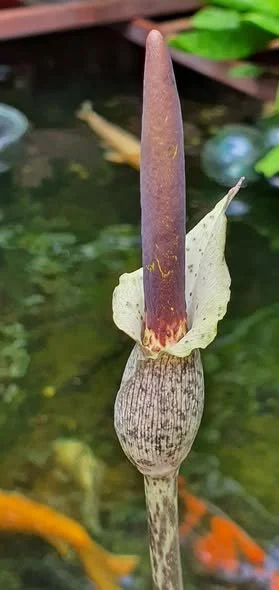
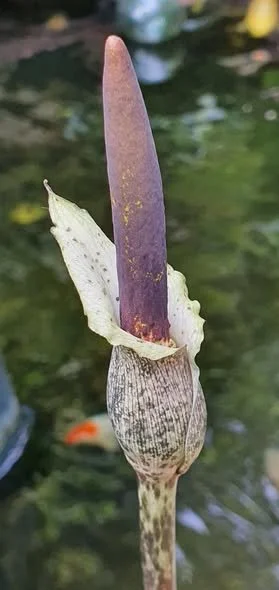
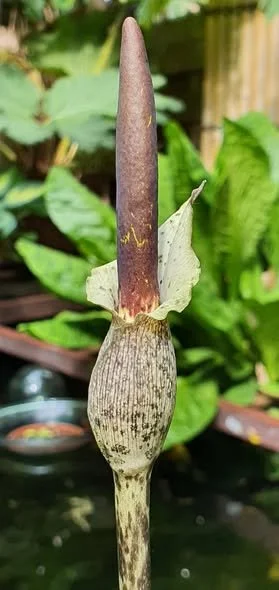
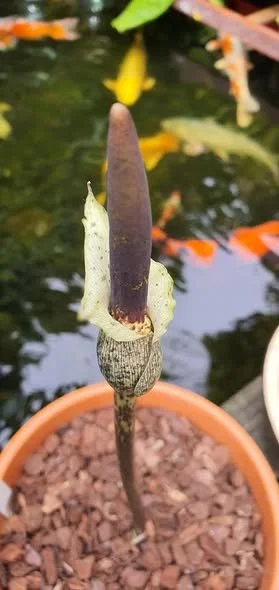
AMORPHOPHALLUS CONSIMILIS
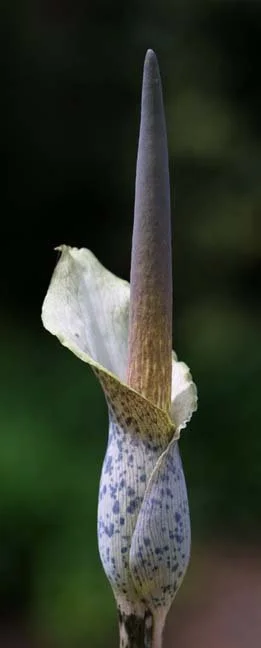
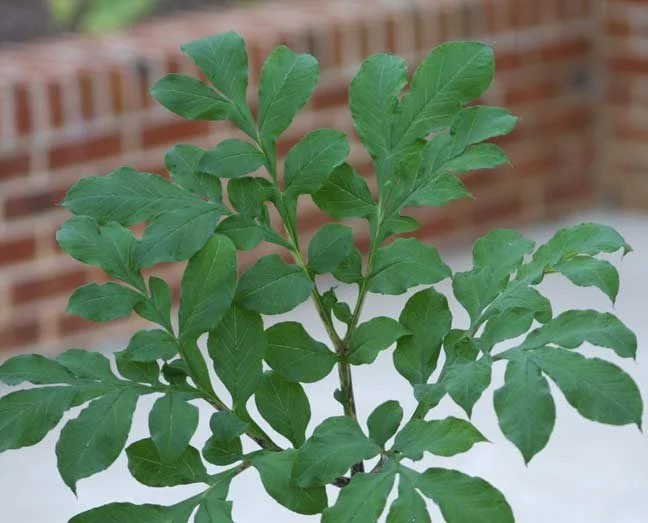
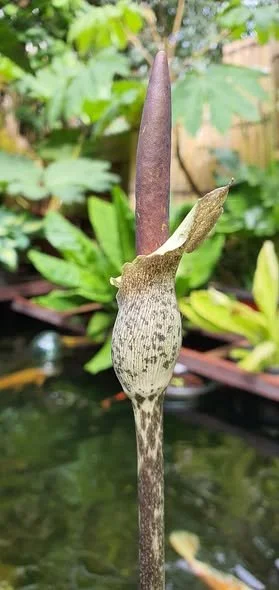
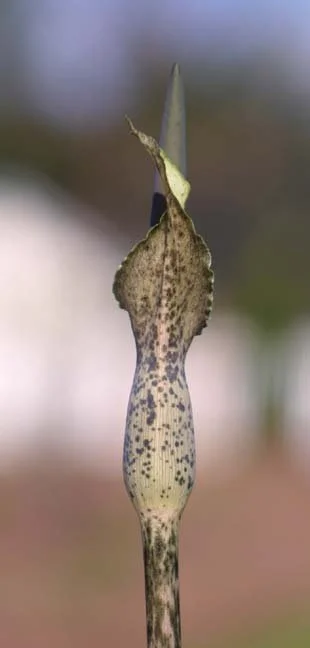
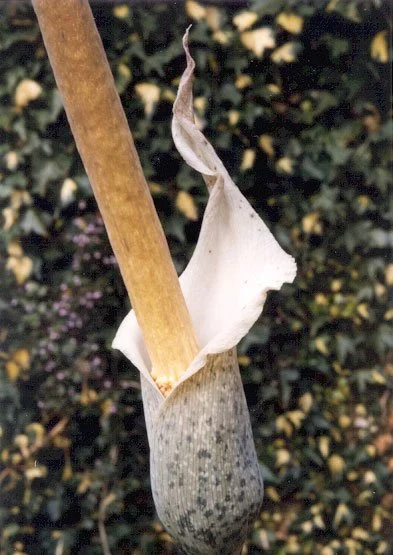
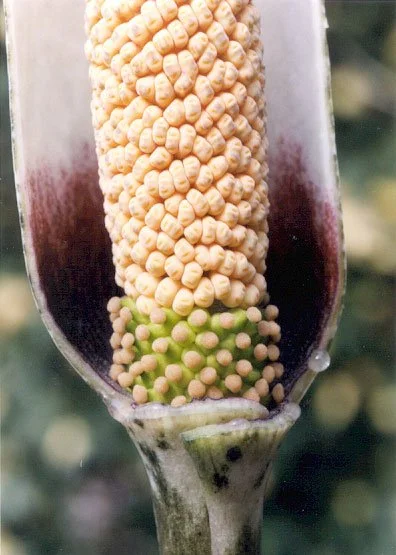
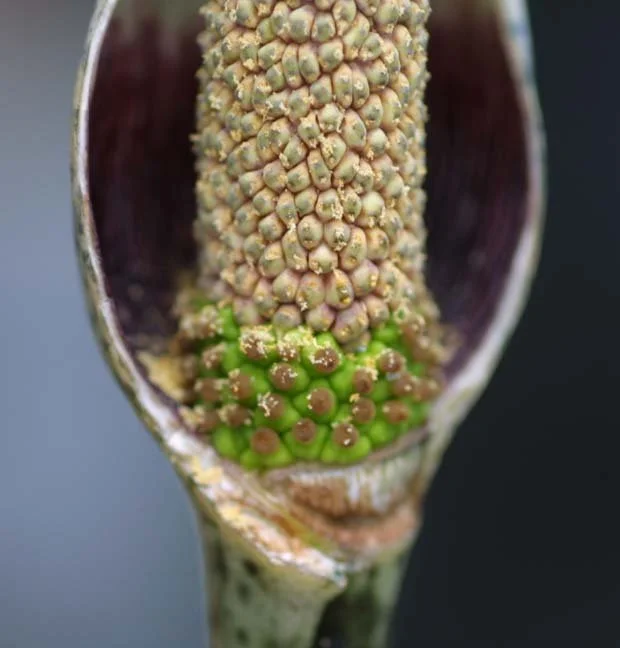
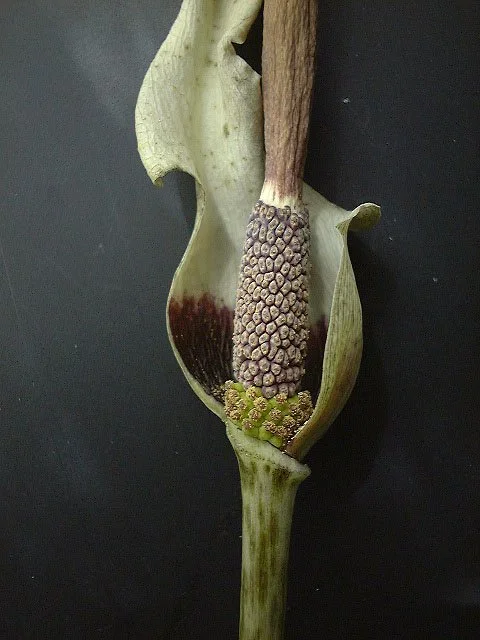
Photo by Alan Galloway
SYNONYMS:
HOMOTYPIC SYNONYMS: Brachyspatha consimilis (Blume) Schott in Prodr. Syst. Aroid.: 127 (1860), Corynophallus consimilis (Blume) Kuntze in Revis. Gen. Pl. 2: 741 (1891), Hydrosme consimilis (Blume) Engl. in A.L.P.P.de Candolle & A.C.P.de Candolle, Monogr. Phan. 2: 325 (1879)
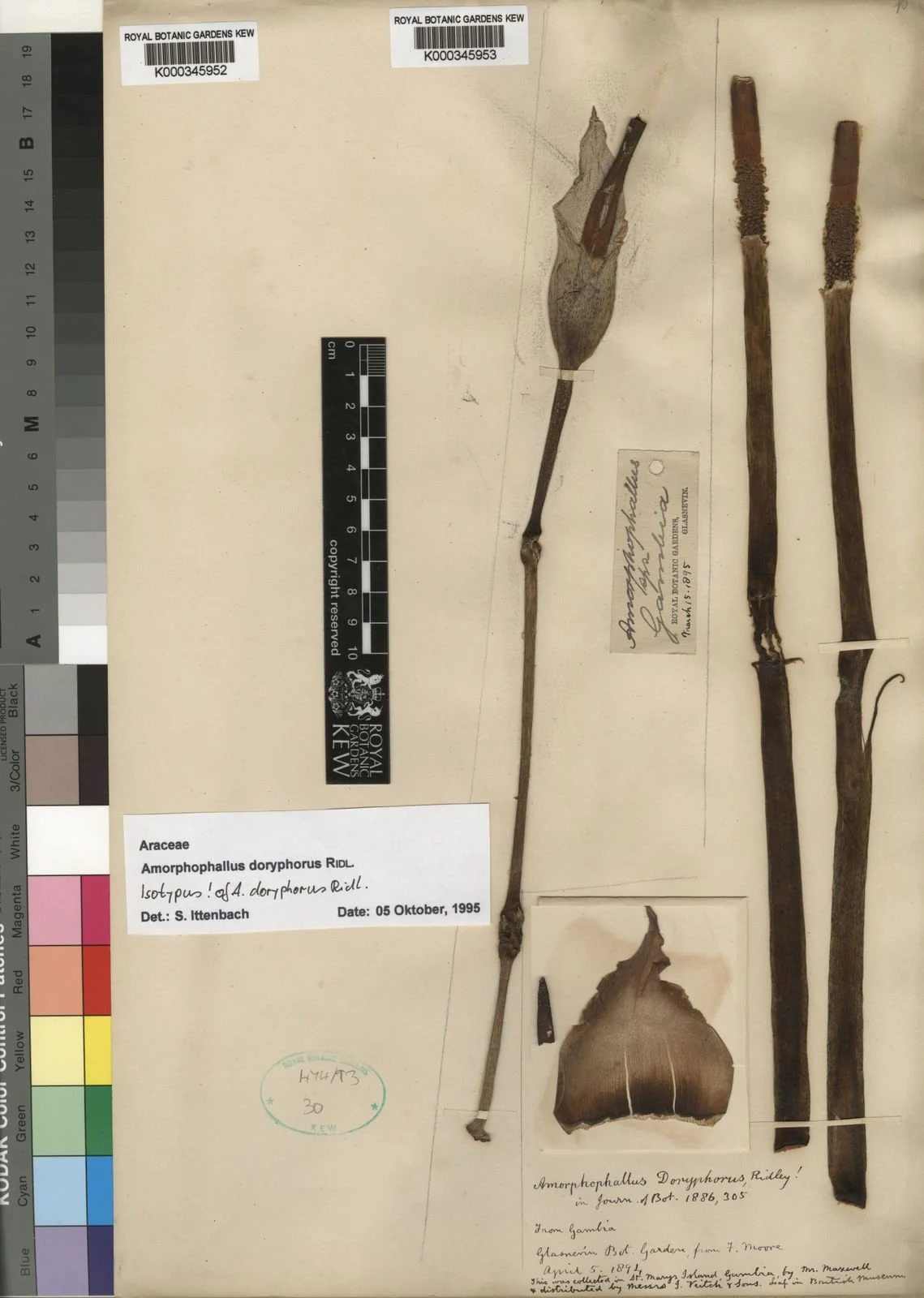
HETEROTYPIC SYNONYMS: Amorphophallus doryphorus Ridl. in J. Bot. 24: 305 (1886), Hydrosme prieuriana Schott in Ann. Mus. Bot. Lugduno-Batavi 1: 279 (1864)
ACCEPTED INFRASPECIFICS: Amorphophallus commutatus var. anmodensis Sivad. & Jaleel, Amorphophallus commutatus var. anshiensis Punekar, Lakshmin. & Sivad., Amorphophallus commutatus var. commutatus,Amorphophallus commutatus var. wayanadensis Sivad. & Jaleel
OTHER: N/A
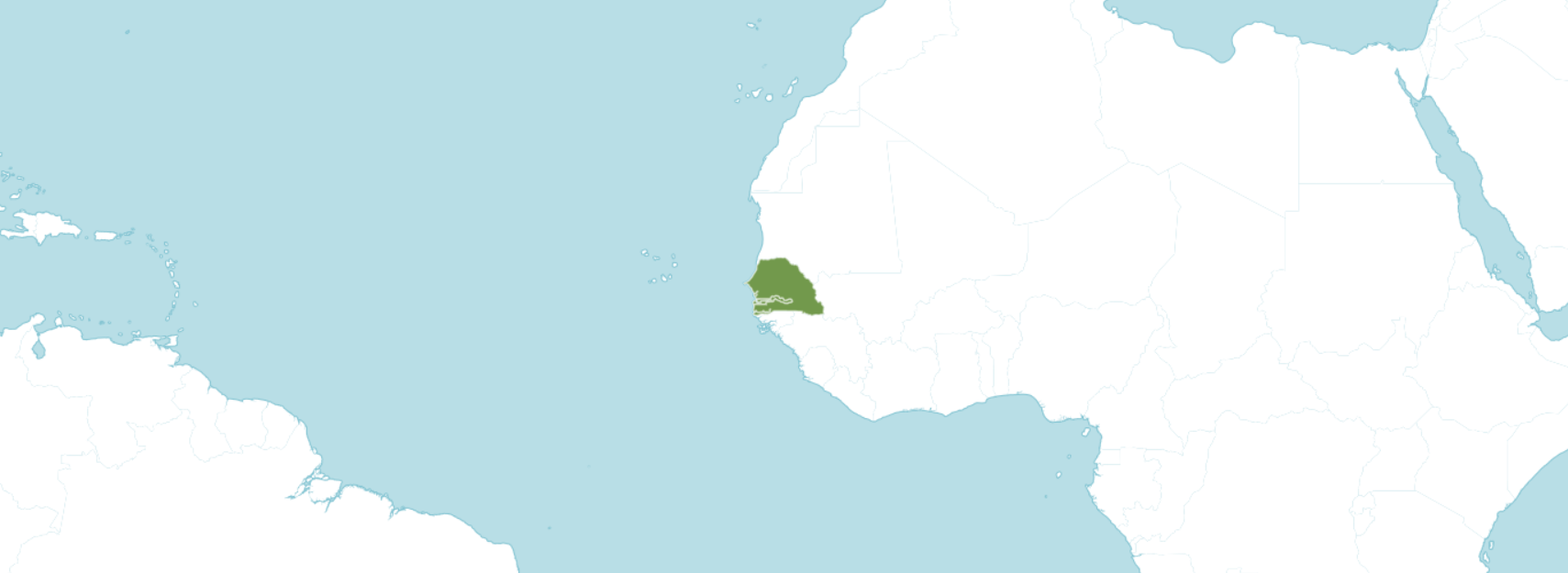
DISTRIBUTION: Gambia, Senegal, Cape Verde.
CLIMATE: N/A
ECOLOGY: Found in sandy places at the edge of forests at Cape Verd Promontory in Senegal
SPECIES DESCRIPTION: N/A
INFLORESCENCE: Described as flowering in Senegal (Cape Verd Promontory, not to be confused with the nearby country of Cape Verde) in July
VARIEGATED FORMS: N/A
ETYMOLOGY: The species epithet consimilis means ‘very similar’ or ‘closely resembling’ referring to Francois Leprieur initially mistaking this species as Amorphophallus zeylanicus (reduced to synonymy under Amorphophallus sylvaticus)
NOTES: Described by French pharmacist and naturalist François Mathias René Leprieur:
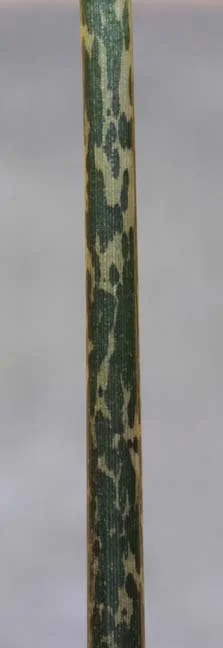
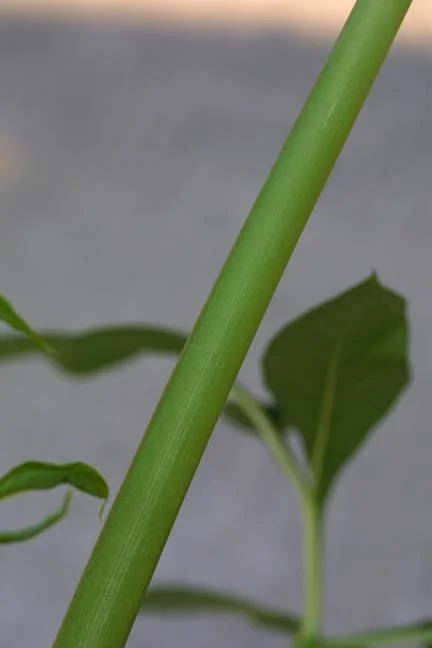
“The specimen was most kindly shared with me, although it was damaged, since the upper naked apex of the spadix had been broken off. In the form of the spathe it agrees very well with Amorphophallus zeylanicus (reduced to synonymy under Amorphophallus sylvaticus), so much so that at first I thought I recognized it as that species. But after a more careful examination, it appears to differ sufficiently from that species by its warty-roughened petioles. Likewise, the scape, almost one and a half feet long, is rough, though to a lesser degree.
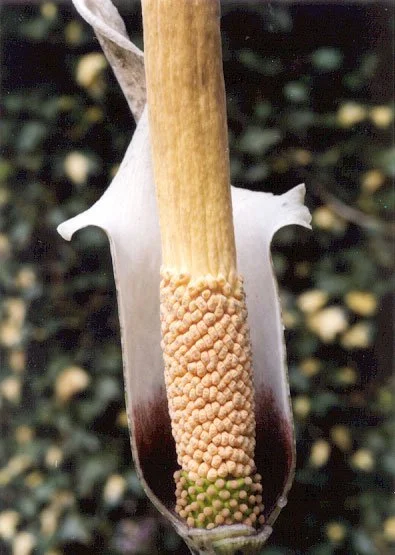
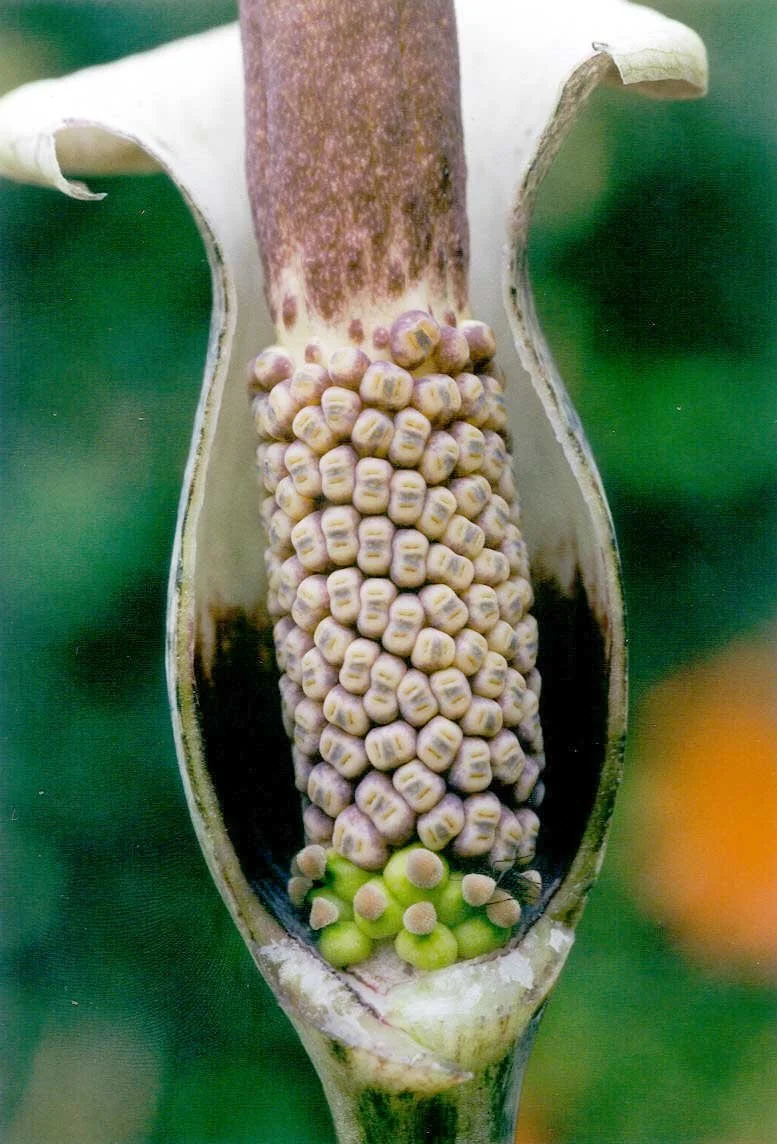
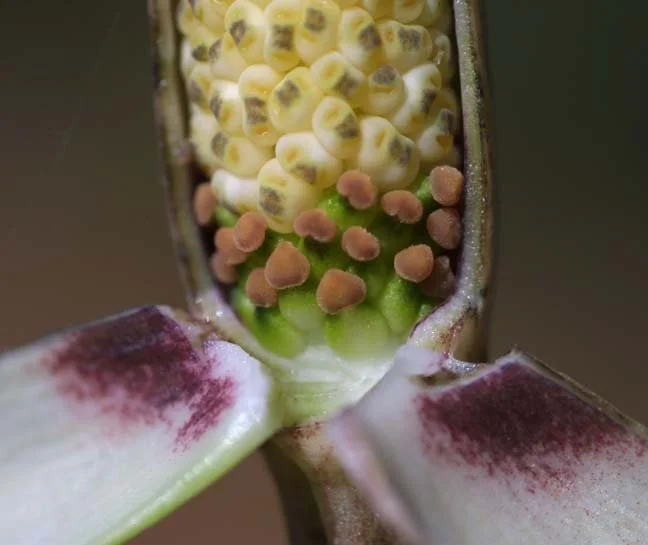
The anthers are contiguous with the ovaries, as in the other species, and open by two terminal pores, so that no doubt at all remains about the genus of this plant.
Either I am mistaken, or I have seen it alive and furnished with leaves in the hot-houses of the Paris Botanical Garden”
CULTIVARS: N/A
HYBRIDS: Amorphophallus andranogidroensis x Amorphophallusconsimilis, Amorphophallus consimilis x Amorphophallusmangersdolfii
REFERENCES:
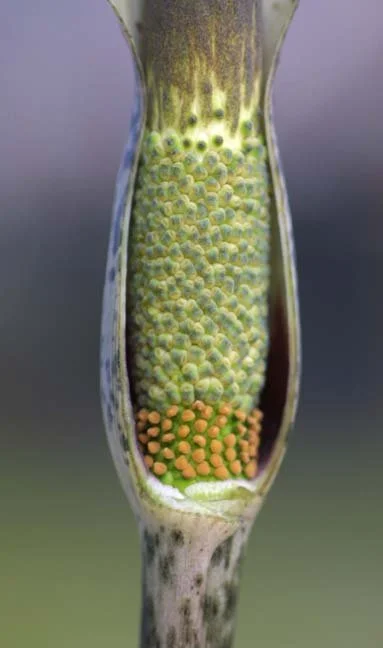
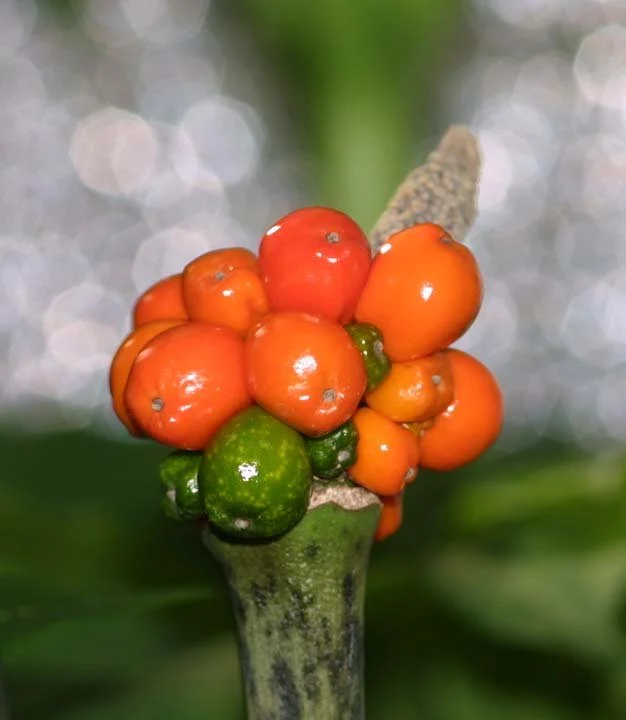
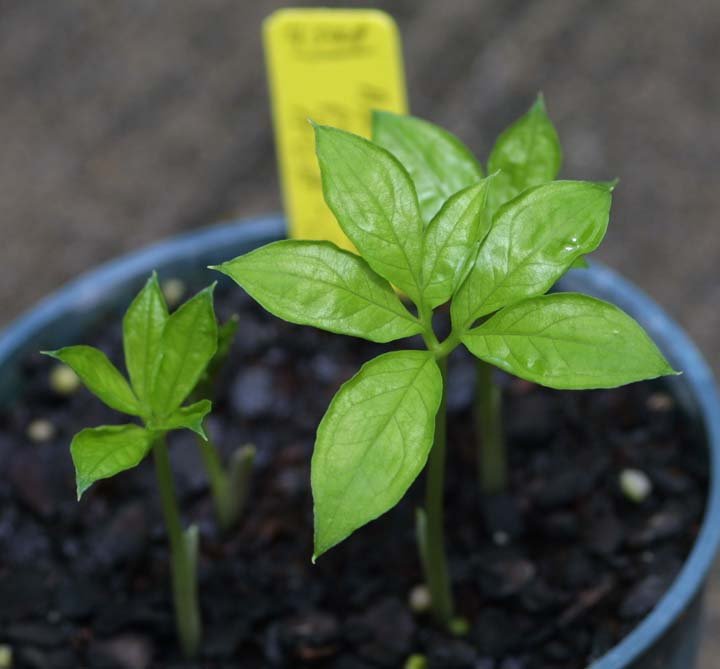
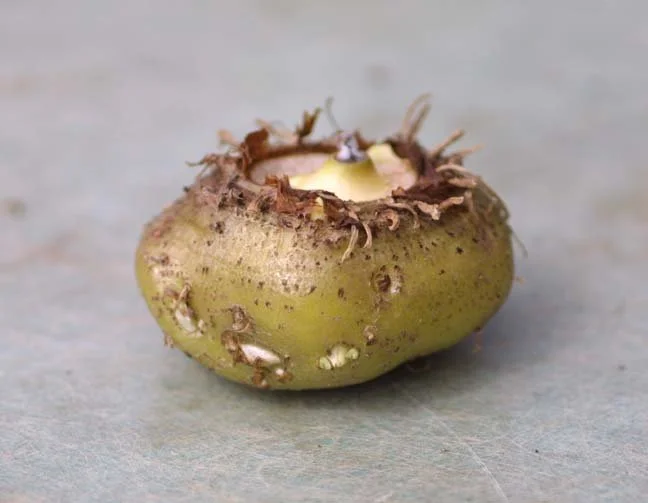
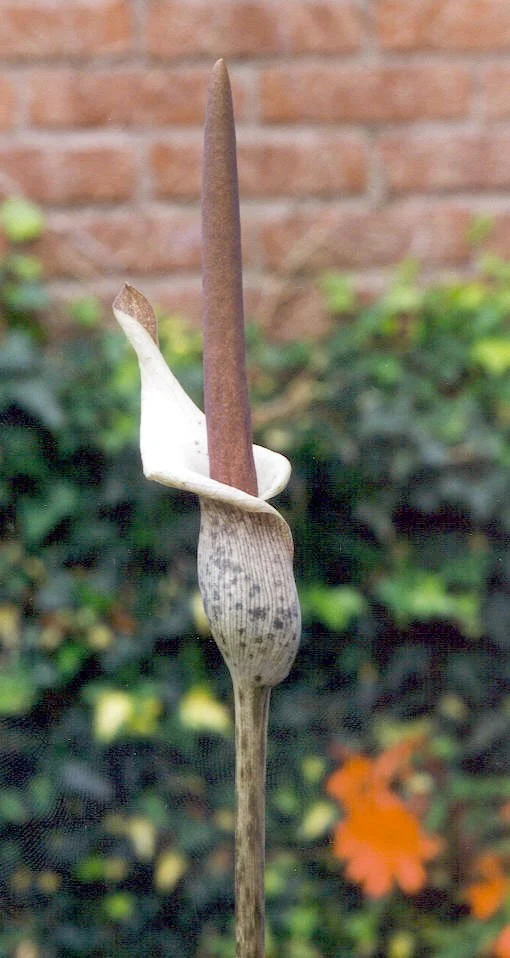
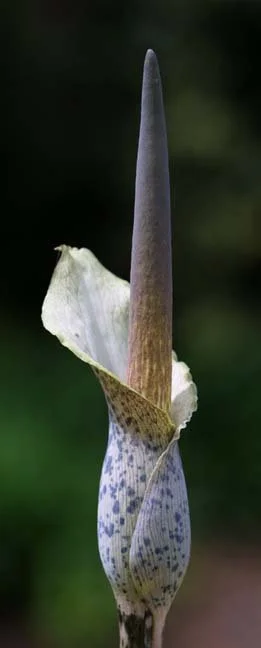
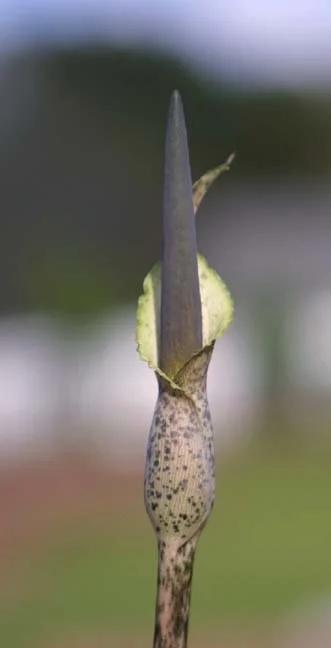
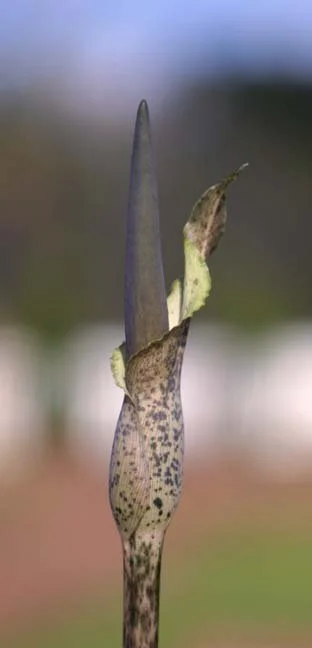
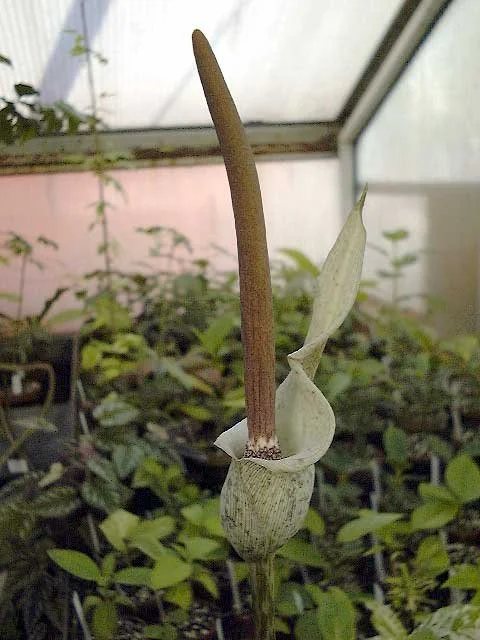
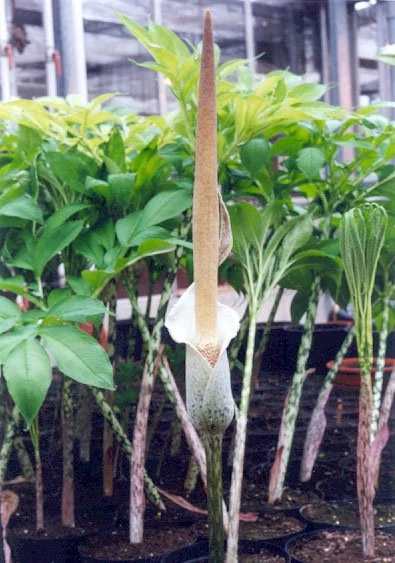
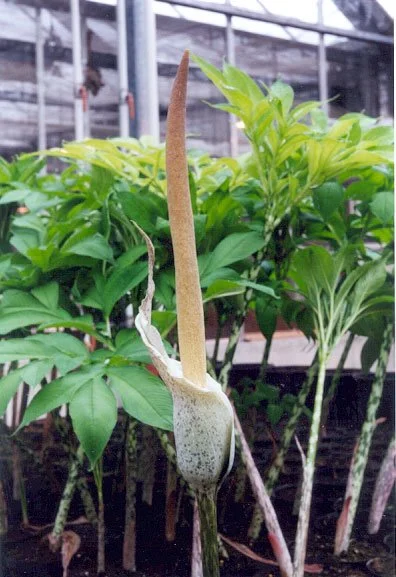
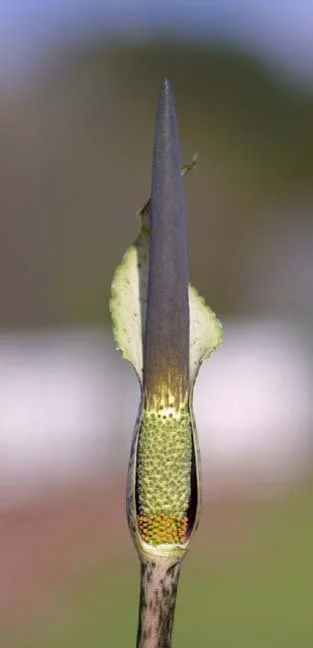
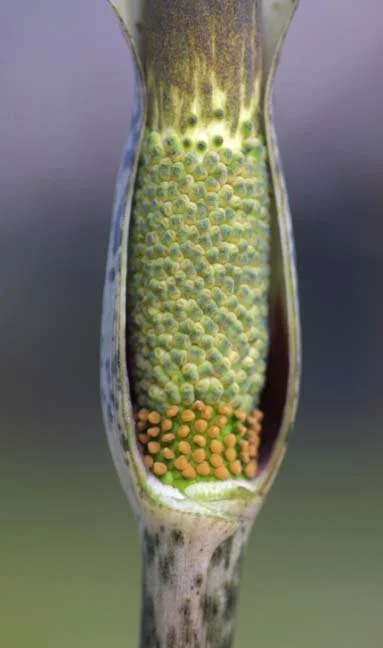
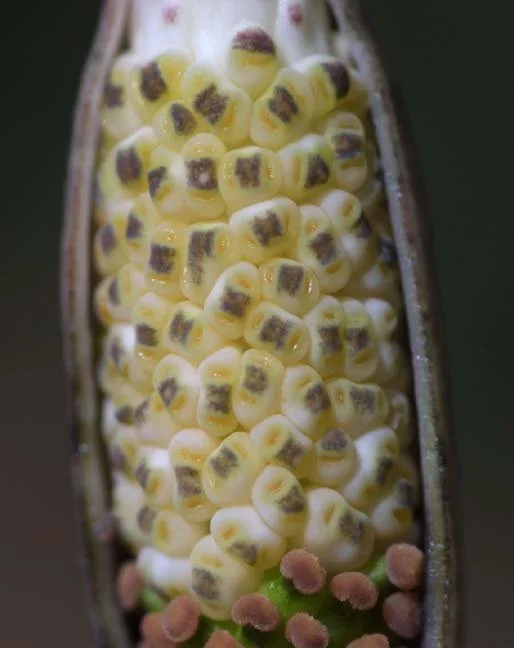
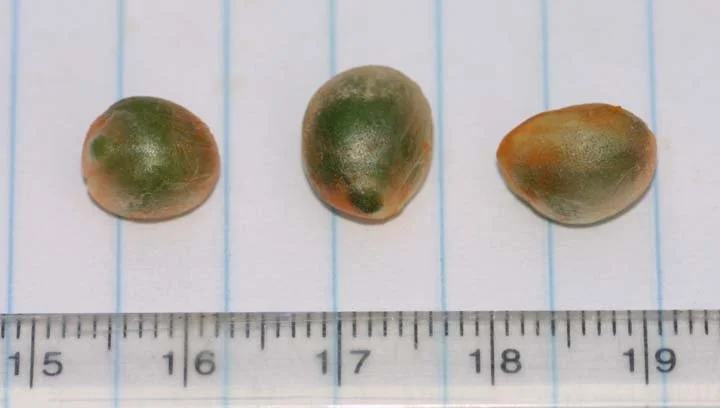
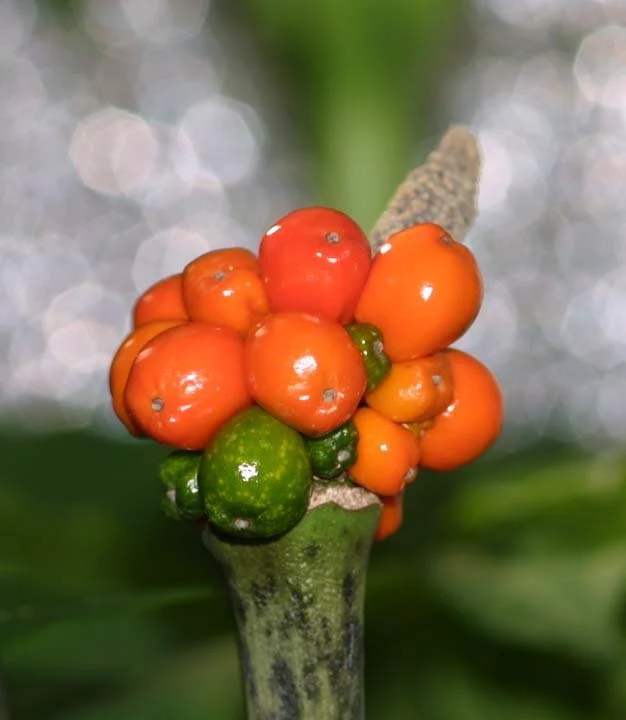
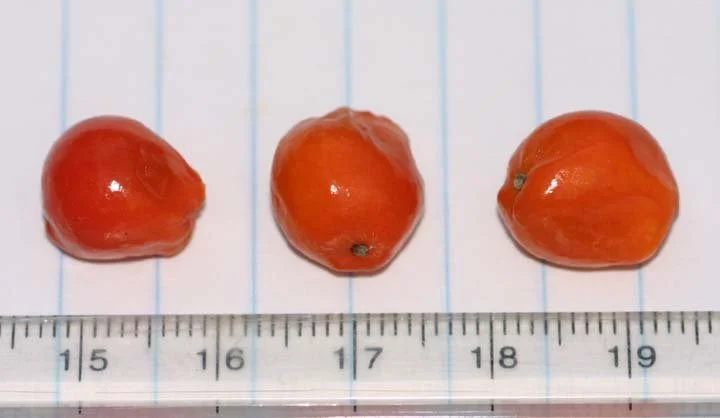
Additional photos by Gijsbert Kortekaas