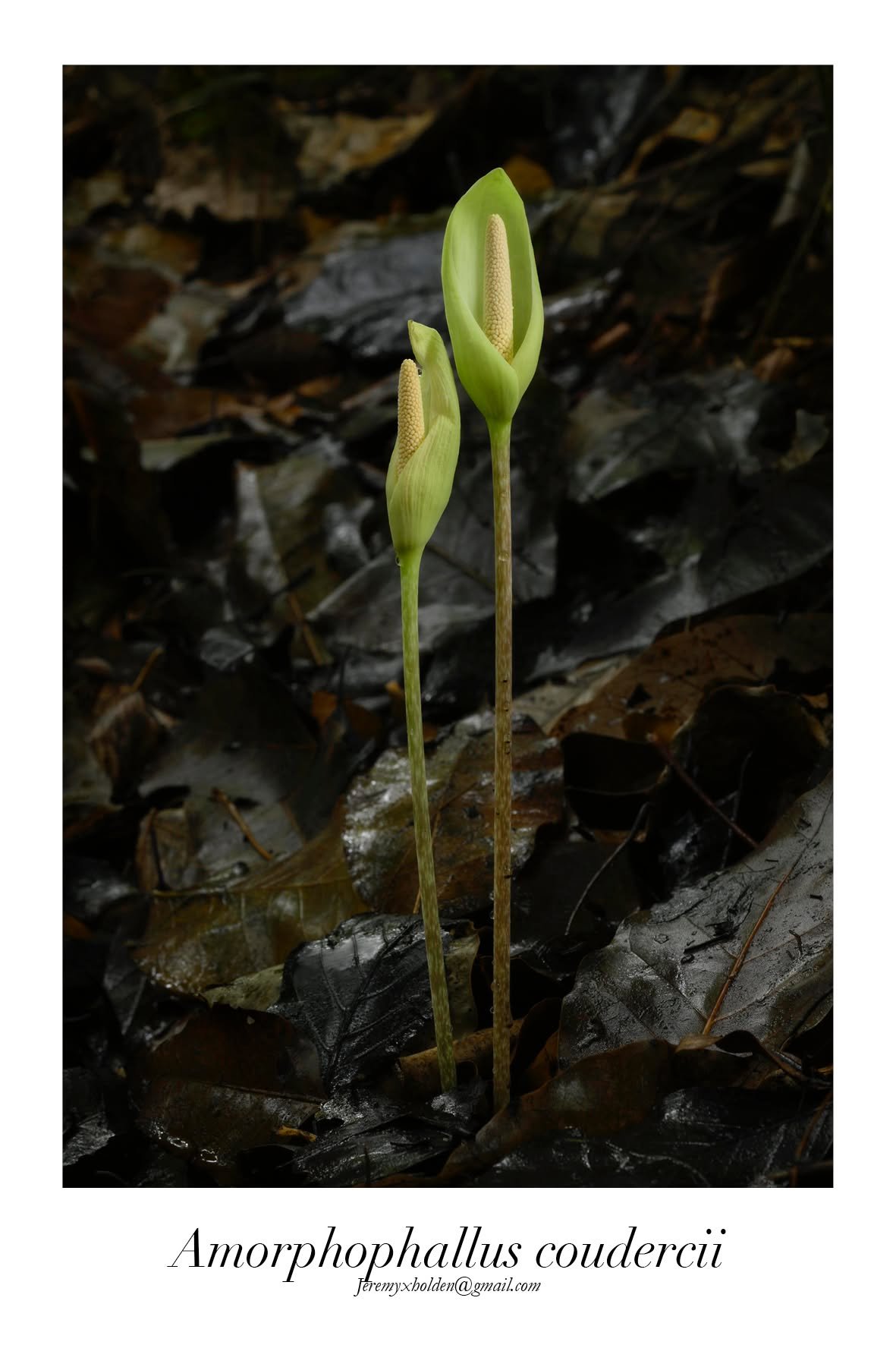
AMORPHOPHALLUS COUDERCII
ORIGINAL DESCRIPTION:
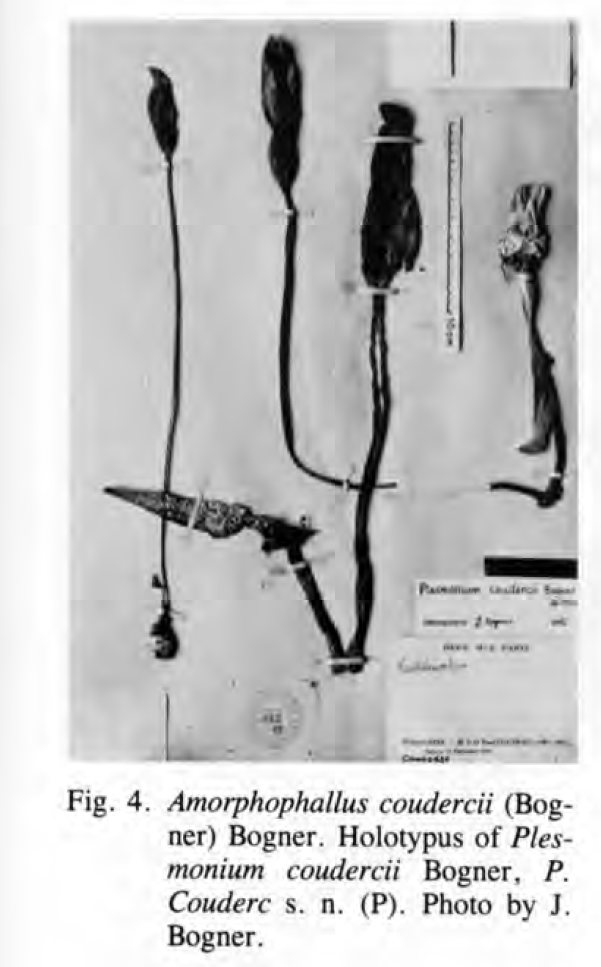
First described by Bogner as Plesmonium coudercii in Adansonia 20 V3 (1980) P.305 who then reclassified it as Amorphophallus in Aroideana 8N3 (1986) P.75
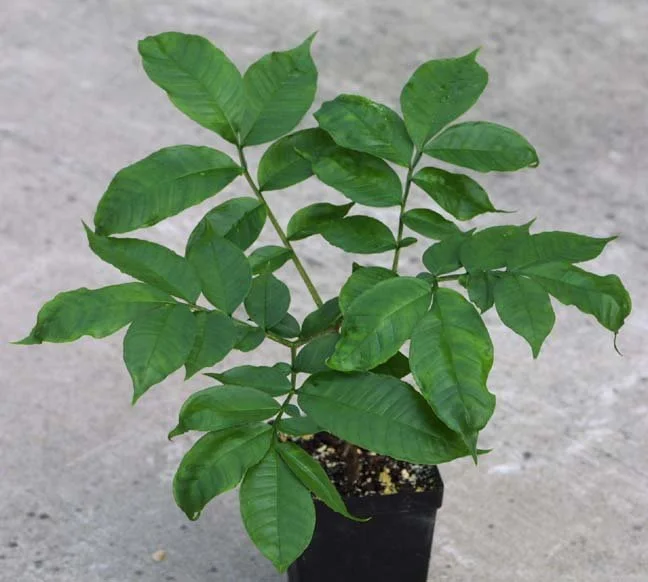
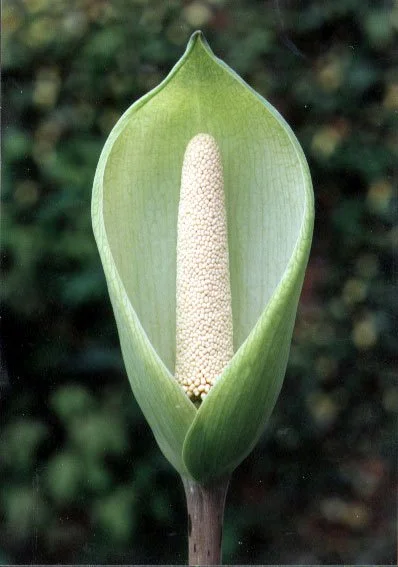
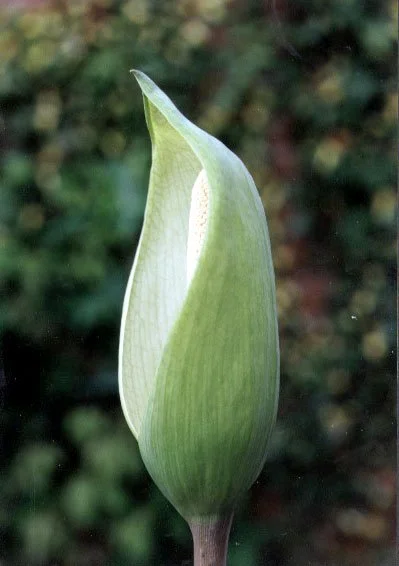
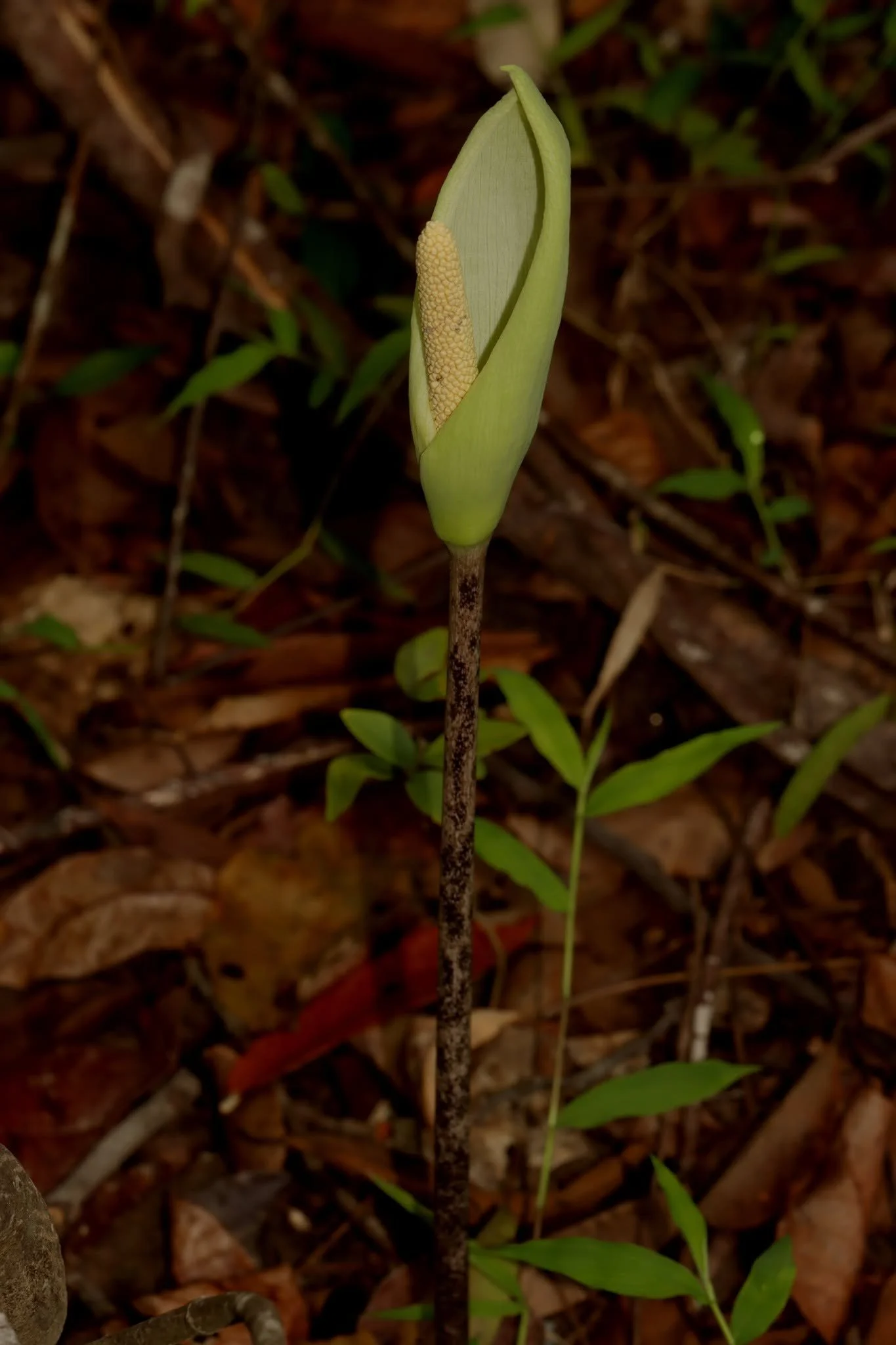
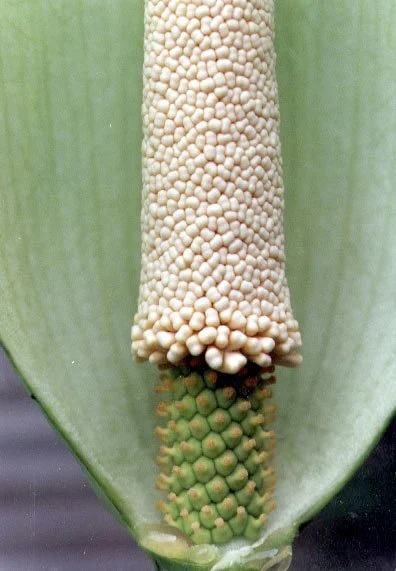
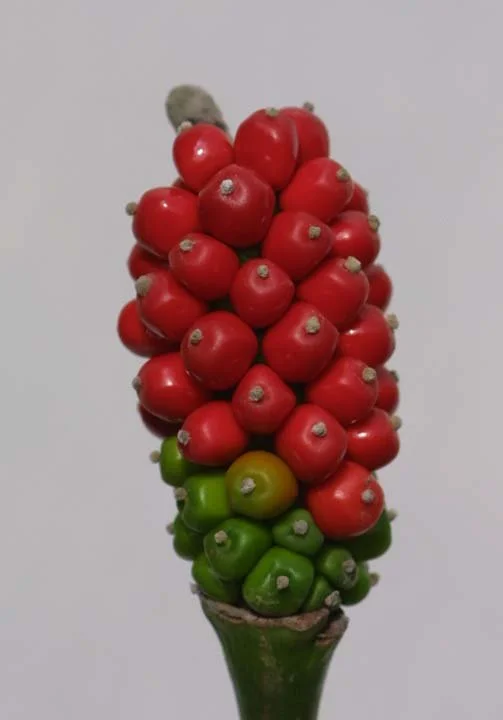
Photo by Alan Galloway
SYNONYMS:
HOMOTYPIC SYNONYMS: Plesmonium coudercii Bogner in Adansonia, n.s., 20: 305 (1980)
HETEROTYPIC SYNONYMS: N/A
ACCEPTED INFRASPECIFICS: N/A
OTHER: N/A
DISTRIBUTION: Cambodia, Laos, Thailand and Vietnam

CLIMATE: N/A
ECOLOGY: N/A
SPECIES DESCRIPTION:
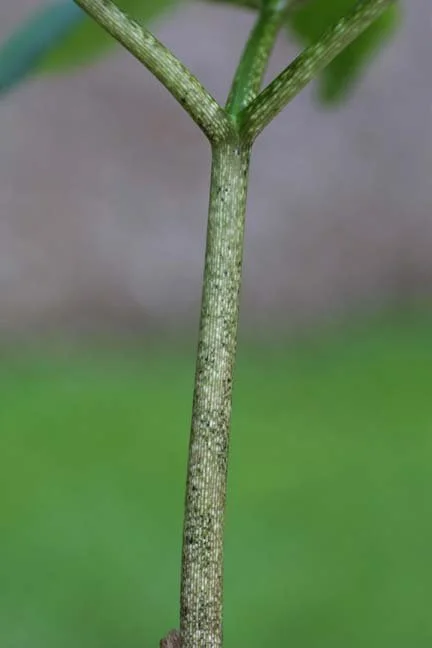
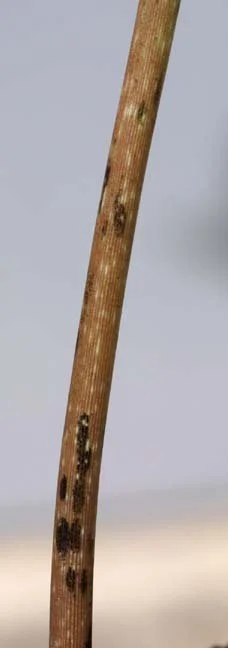
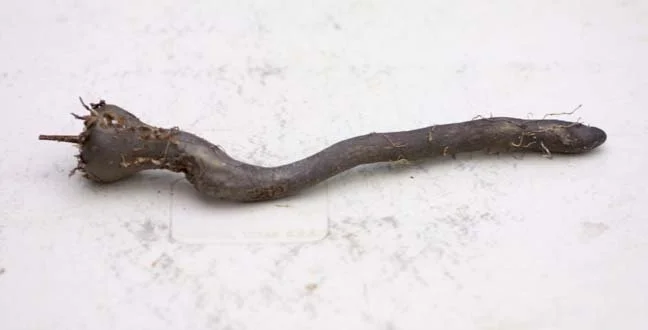
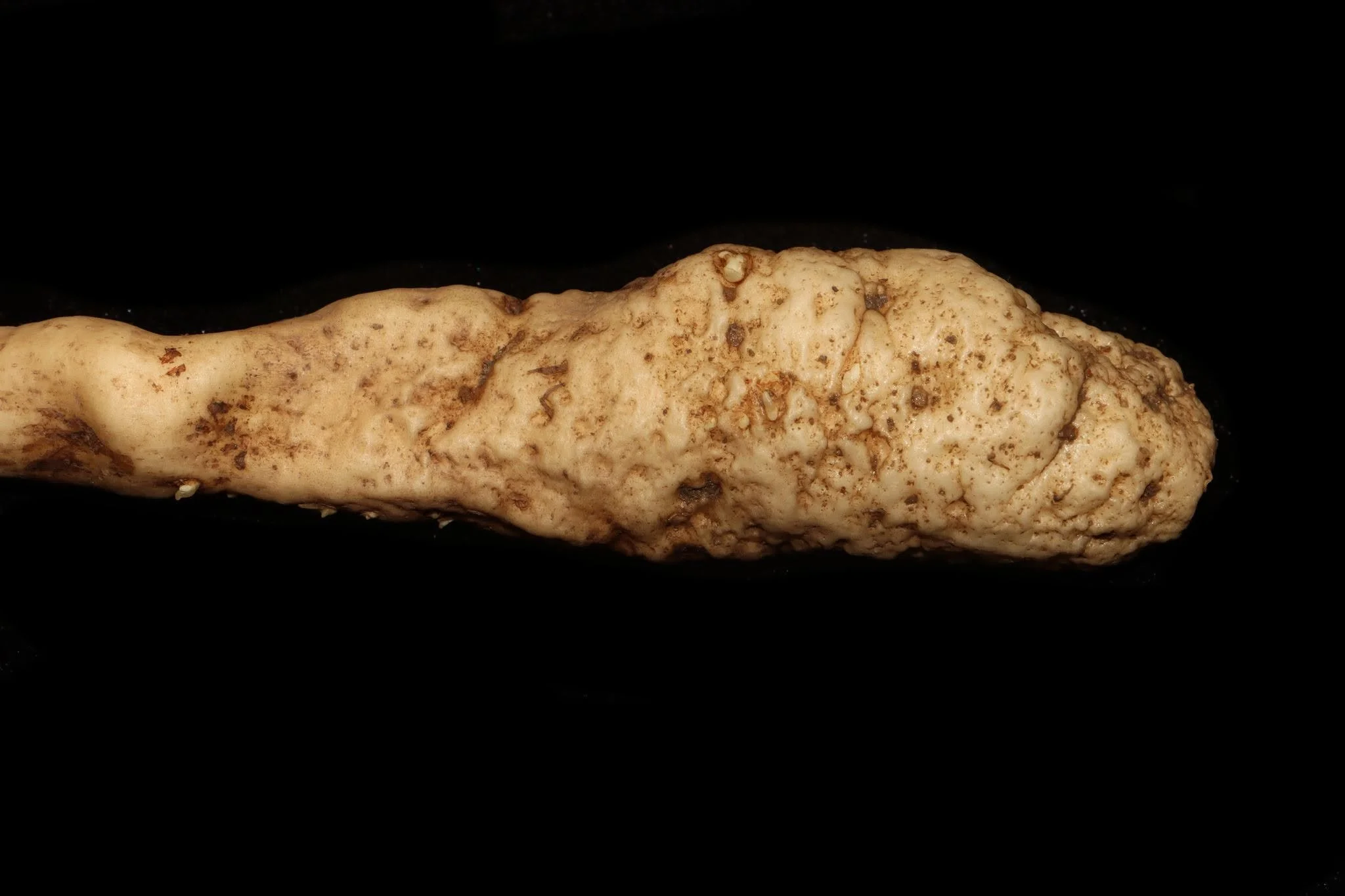
Tuber elongate, more than 4 cm long (incomplete in the type specimen), 1,5–2,5 cm in diameter. Peduncle 25–40 cm long and 0,2–0,5 cm in diameter; cataphylls membranaceous, 5–10 cm long and 1–2 cm wide.
INFLORESCENCE:
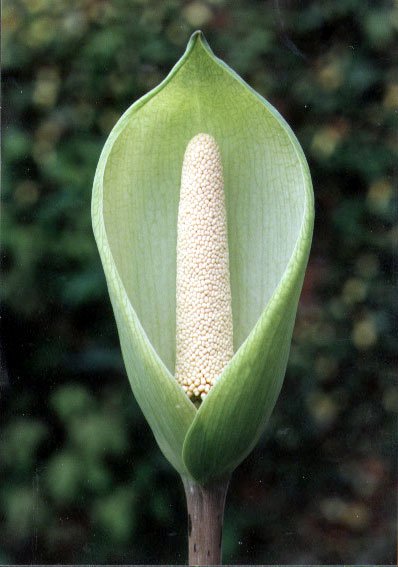
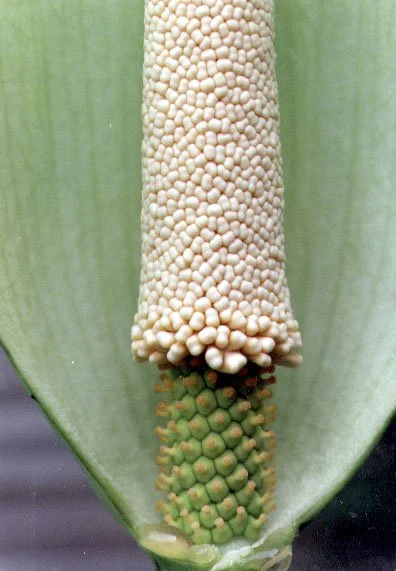
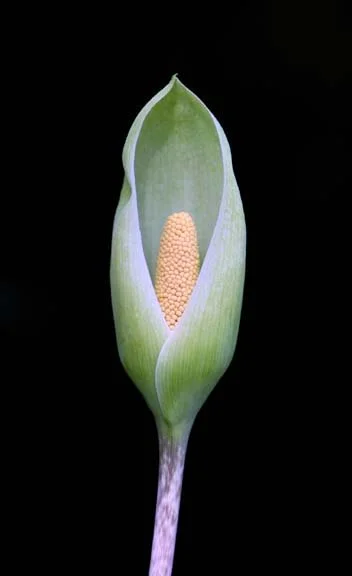
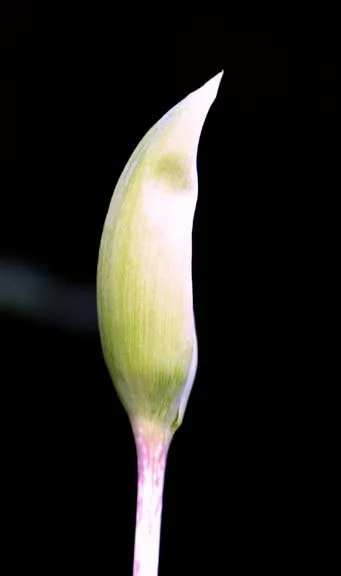
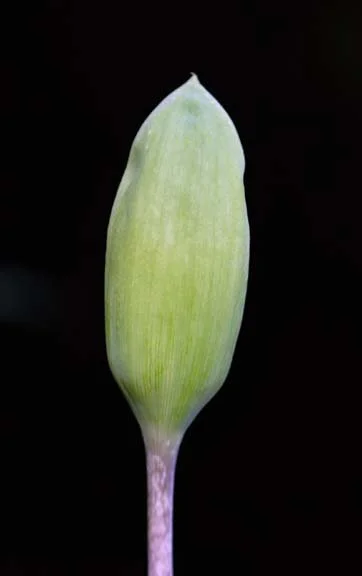
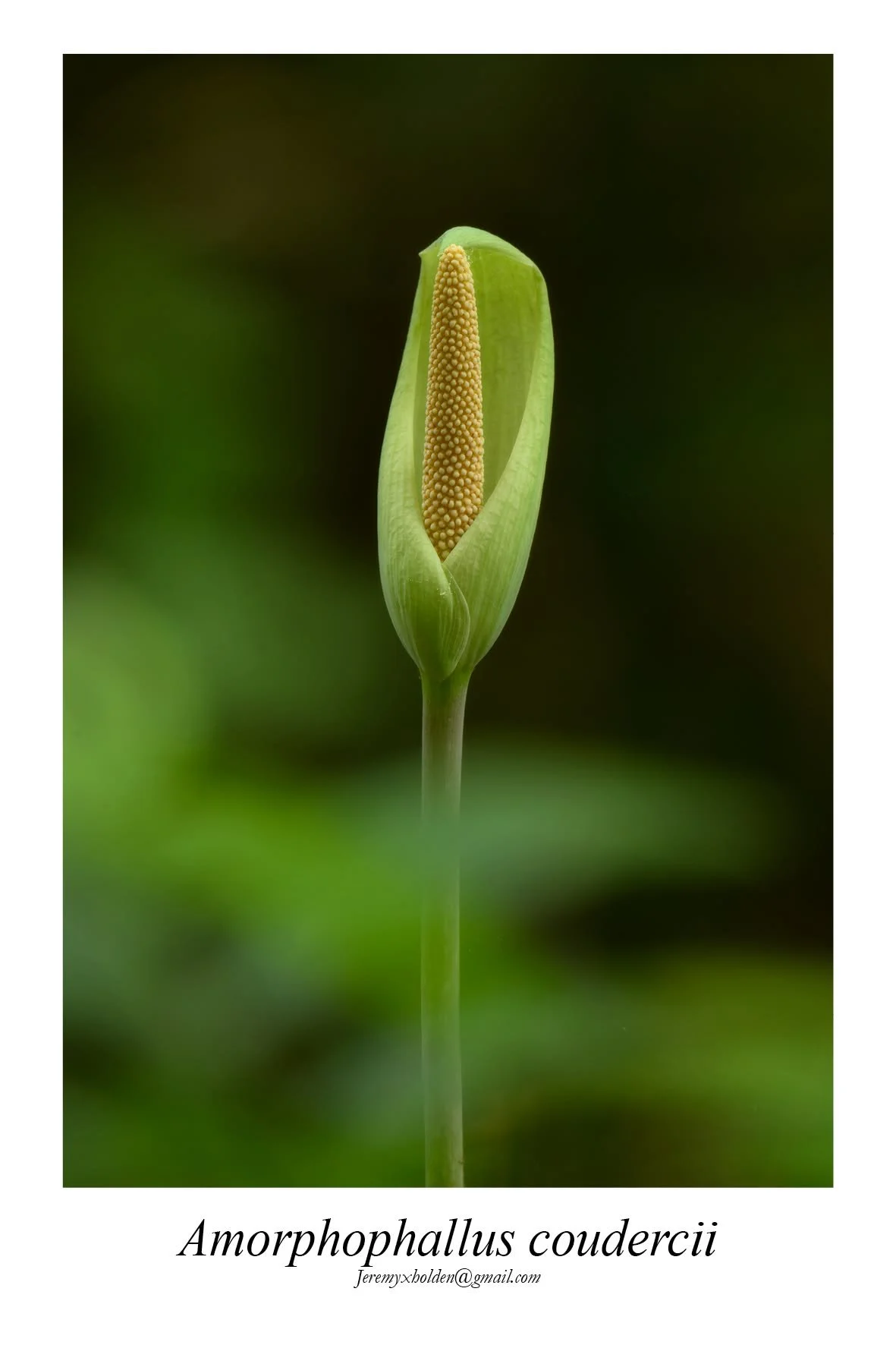
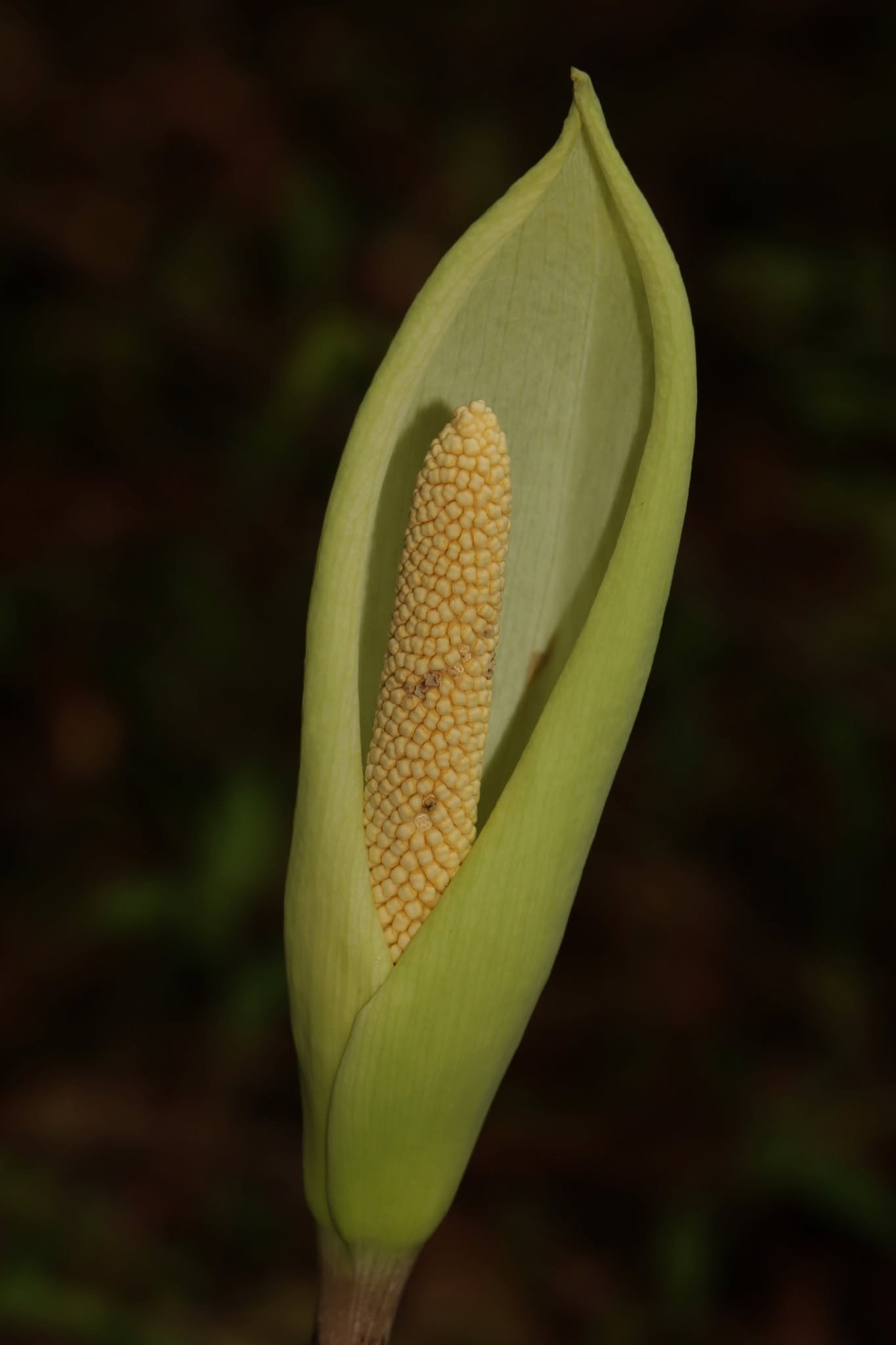
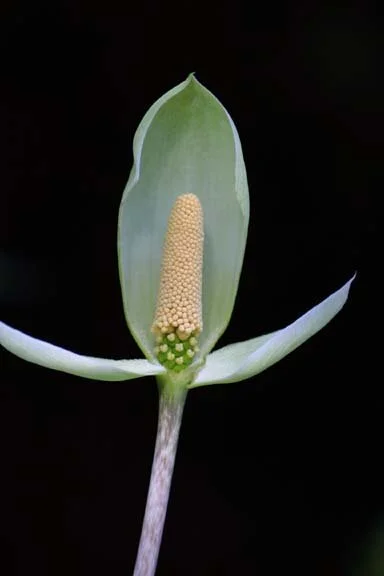
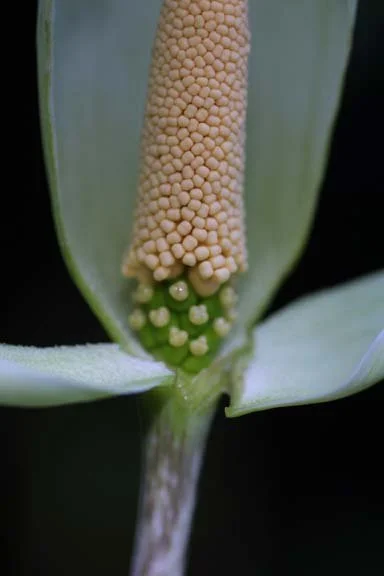
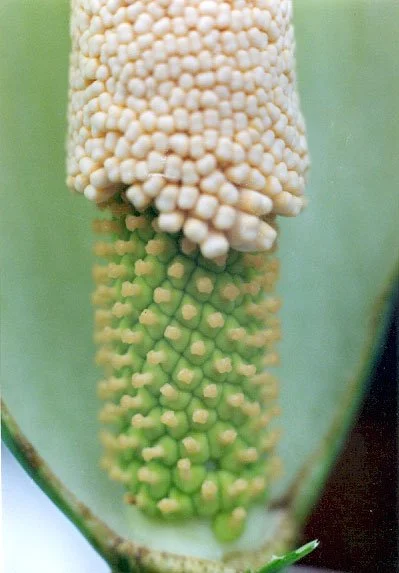
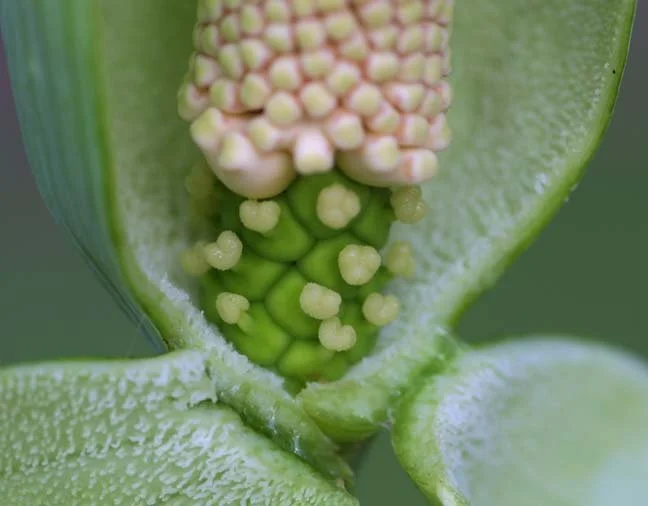
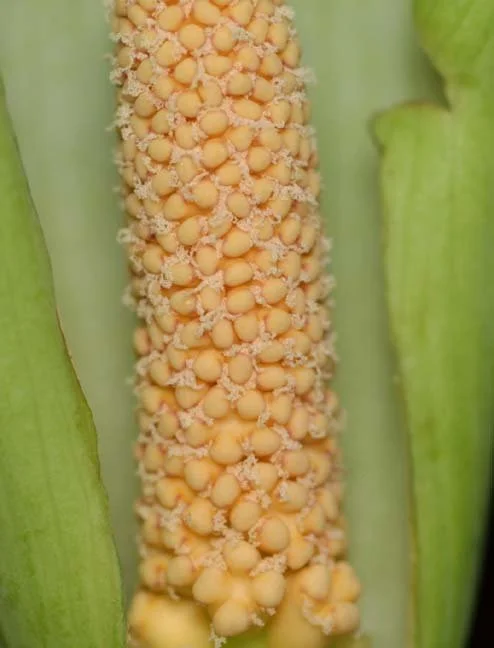
Spathe 4,5–9 cm long, not or only very slightly constricted (one specimen of the type collection shows a slight constriction, the other two no constriction), lower part of the spathe involute and enclosing the female part of the spadix, upper part of the spathe expanded. Spadix 4–8 cm long and 0,5–1 cm in diameter, sessile, fertile to its apex, acute; female part 1–2 cm long, male part 2–6 cm long. Flowers unisexual, naked. Ovary globular, 2,5–3 mm in diameter, bilocular, each locule with one anatropous ovule fixed at the base of the inner wall; ovule with a long funiculus; style short, ca. 1 mm long and 1 mm thick; stigma disc-like, papillose, 1,5–2 mm in diameter, slightly depressed in the center. Stamens truncate, ca. 1,5 mm long and ca. 1 mm in diameter, the two thecae in the upper half; theca ellipsoid-oblong, ca. 0,8 mm long and ca. 0,6 mm wide, opening in a horizontal broad slit just below of the top of the stamen.
The inflorescence appears before the leaf, which is unknown. There is no grouping of the stamens, and the male flower is considered to consist of one stamen only.
VARIEGATED FORMS: N/A
ETYMOLOGY: The species is named after Dr. Paul Couderc, who between 1883 and 1885 collected new aroids in Indochina. His herbarium specimes were given to the Muséum national d'Histoire naturelle - Paris on December 20 1920, but was not used in Gagnepain’s Araceae section from Flore générale de l'Indo-Chine.
NOTES:
Bogner stated when describing the protologue of Plesmonium coudercii, now Amorphophallus coudercii “It is somewhat difficult to place this new species in the known genera of Araceae. It shows many similarities with Thomsonia Wall., Plesmonium Schott and Pseudodracontium N. E. Br., all closely related to Amorphophallus Bl. ex Decne., which differs from them by its entirely naked appendix (not covered with flowers, either fertile or sterile). Thomsonia and Pseudodracontium both have the appendix covered with sterile flowers (the sterile flowers contiguous with the fertile male flowers in Thomsonia and separated from the male flowers by a naked area in Pseudodracontium). Plesmonium has the upper part of the spadix entirely covered with fertile male flowers. These generic distinctions were discussed earlier (BOGNER, 1976, p. 18).
This new species is most similar to Plesmonium in that it has the upper part of the spadix entirely covered with fertile male flowers. The only previously known species, P. margaritiferum (Roxb.) Schott, has large, pearl-like, sterile organs (margaritiferum = pearl-bearing) between the male and female parts of the spadix. These are lacking in this new species. The staminal structure in the new species is most similar to Plesmonium although the stamens are truncate in it and they are pointed in P. margaritiferum.
The female flowers of all these genera are very similar, being uni-, bi- or trilocular with a single anatropous ovule in each locule. Only Pseudodracontium is regularly unilocular. Plesmonium is bi- to trilocular.
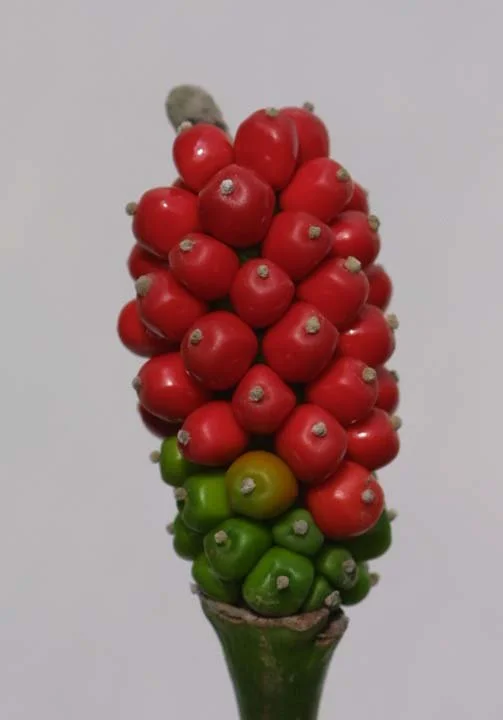
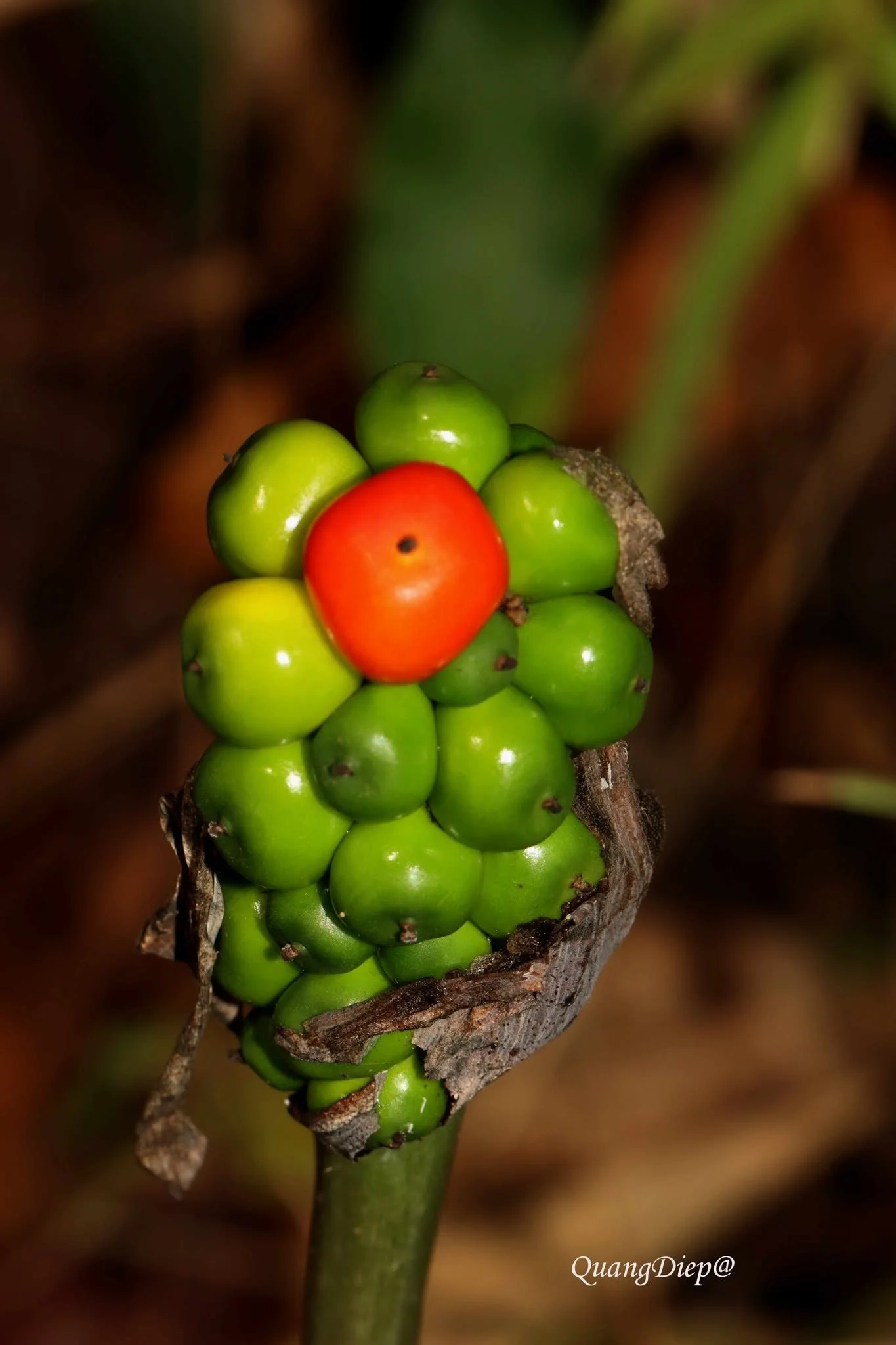
Unfortunately Plesmonium coudercii is incompletely known and it was collected only once. No further collection of this species has been found and it must be considered as very rare. Today it is impossible to collect in Cambodia. Therefore I am describing this certainly new species, of which the leaf and the fruits are still unknown.
CULTIVARS: N/A
HYBRIDS: N/A
REFERENCES:
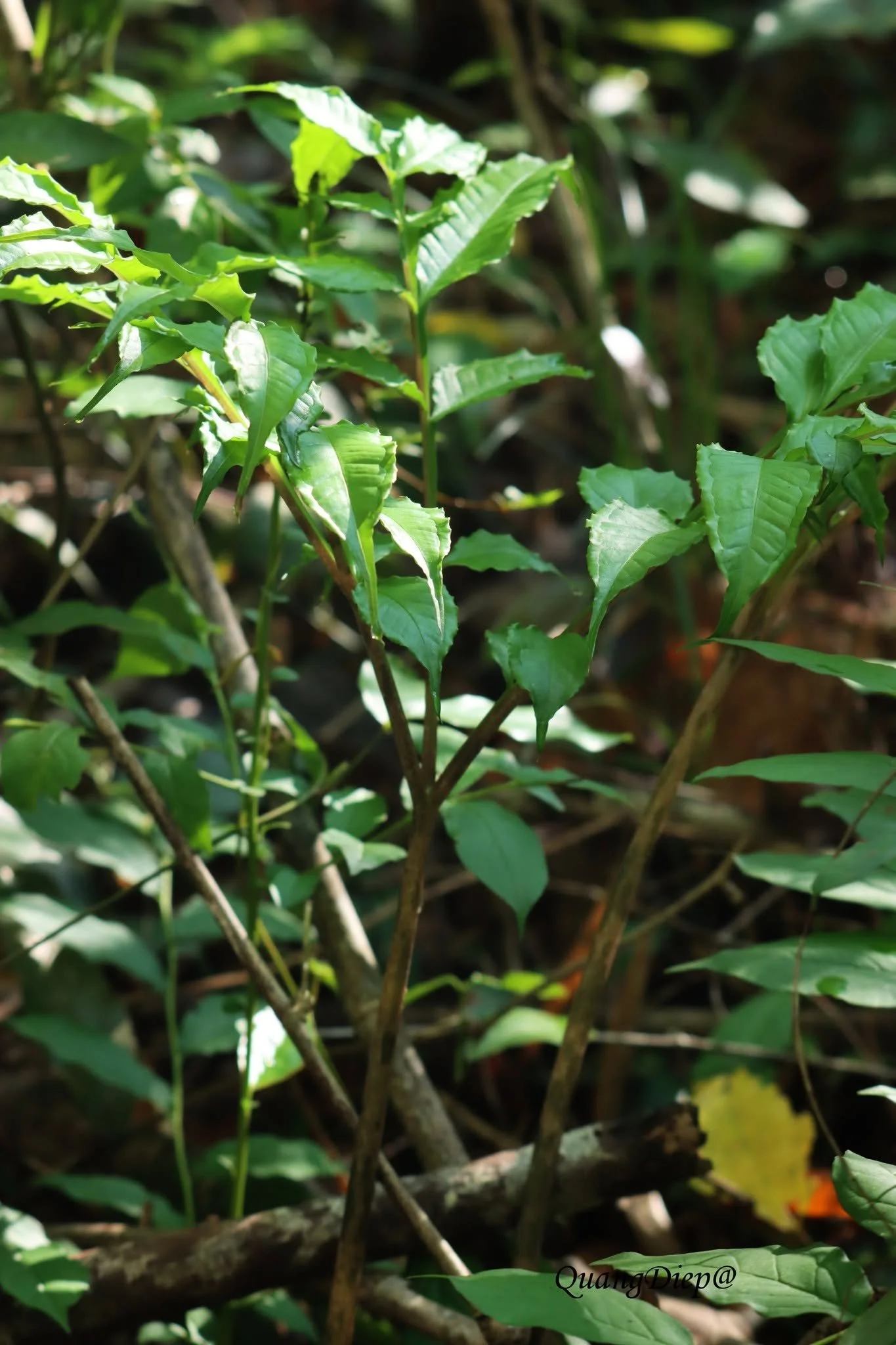
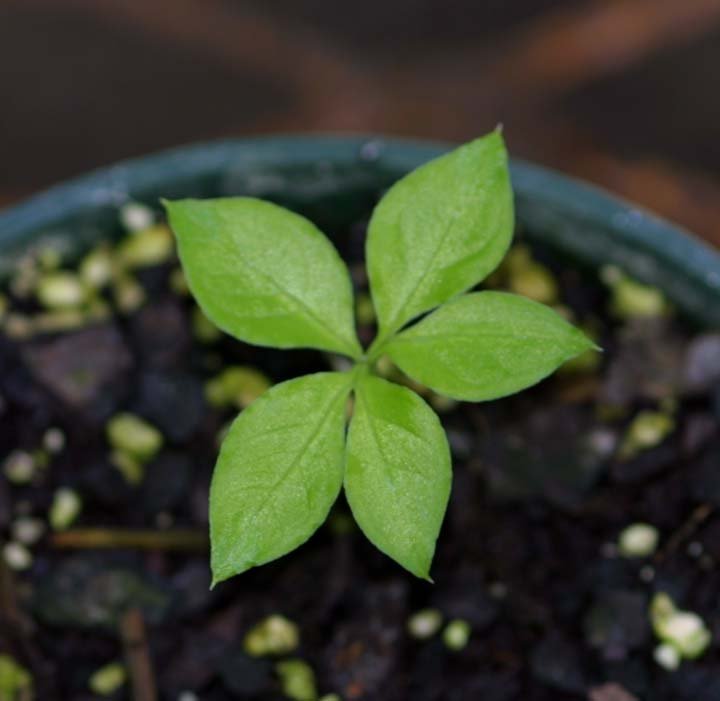
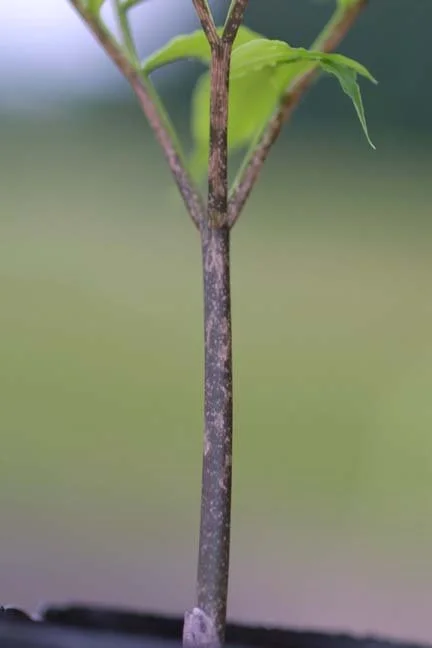
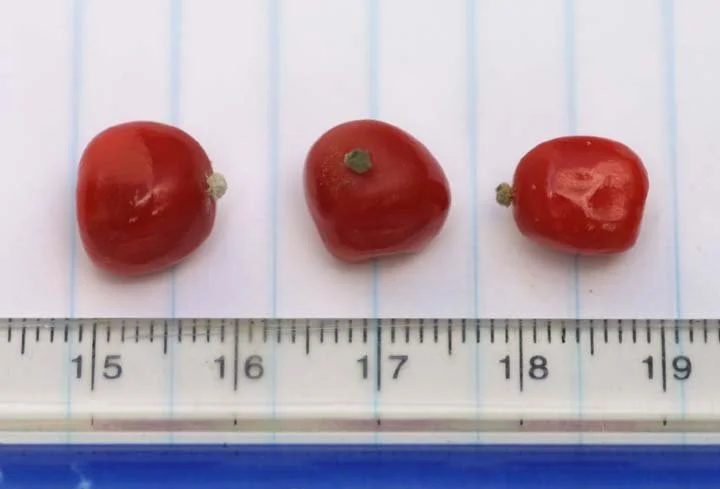
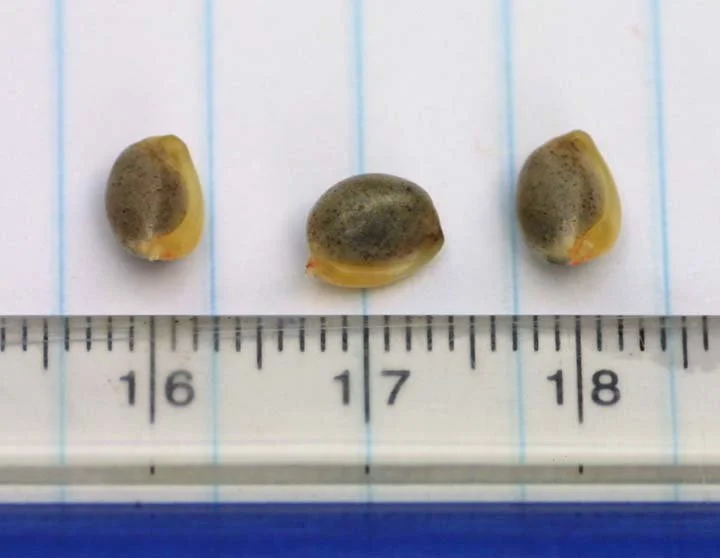
Additional photos by Jeremy Holden and Diep Dinh