AMORPHOPHALLUS CLAUDELII
ORIGINAL DESCRIPTION:
Amorphophallus claudelii A.Galloway & A.Ongsakul sp. nov.
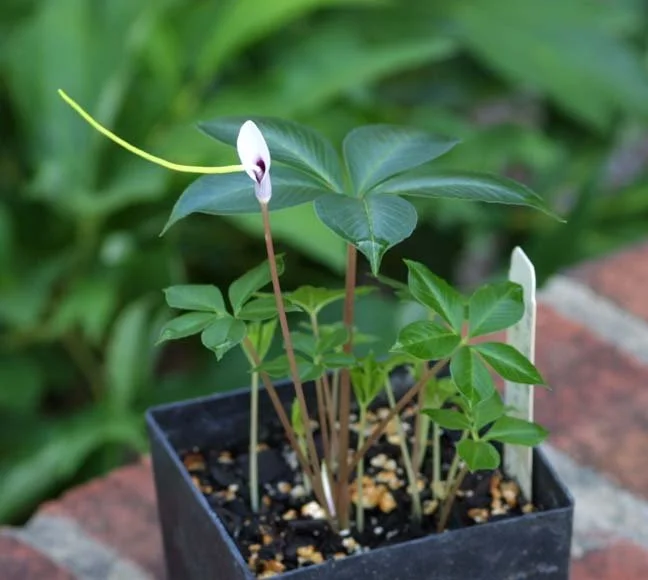
Type: from a plant cultivated by A. Galloway (orig. coll.: LAOS, Khammouane Province, in moist shaded areas, A. Galloway), 17 June 2013, Galloway AGA-2294-01-T (holotype, QBG, spirit collection).
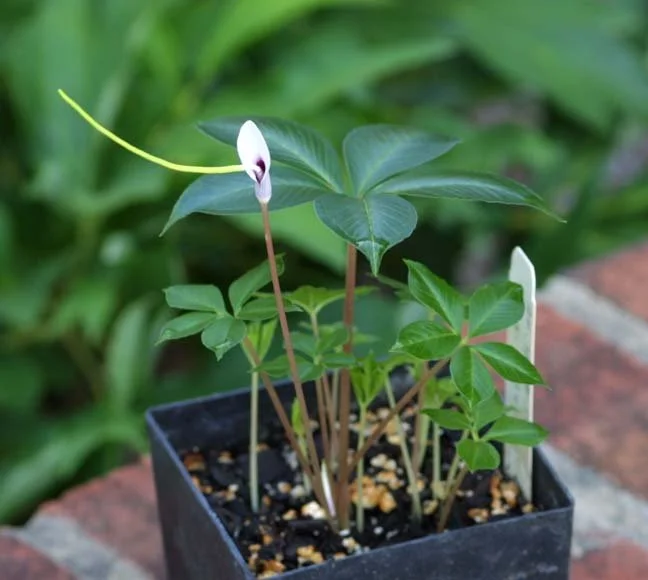
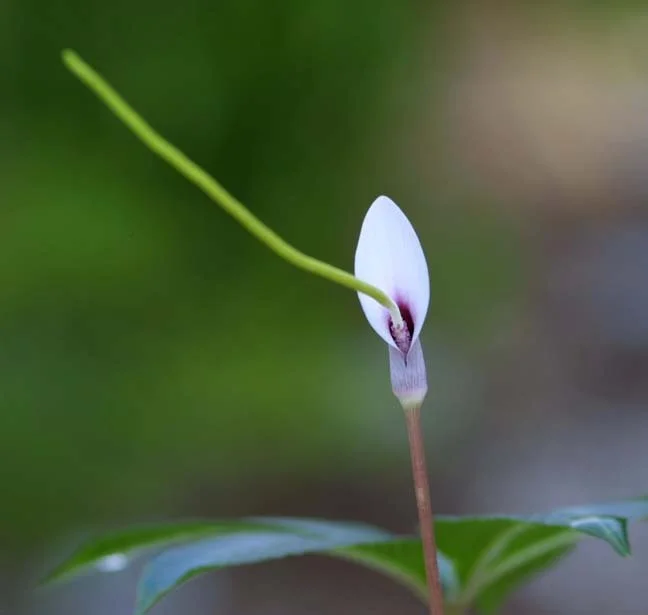
Photo by Alan Galloway
SYNONYMS:
HOMOTYPIC SYNONYMS: N/A
HETEROTYPIC SYNONYMS: N/A
ACCEPTED INFRASPECIFICS: N/A
OTHER: N/A
DISTRIBUTION: Laos

CLIMATE: N/A
ECOLOGY: N/A
SPECIES DESCRIPTION:
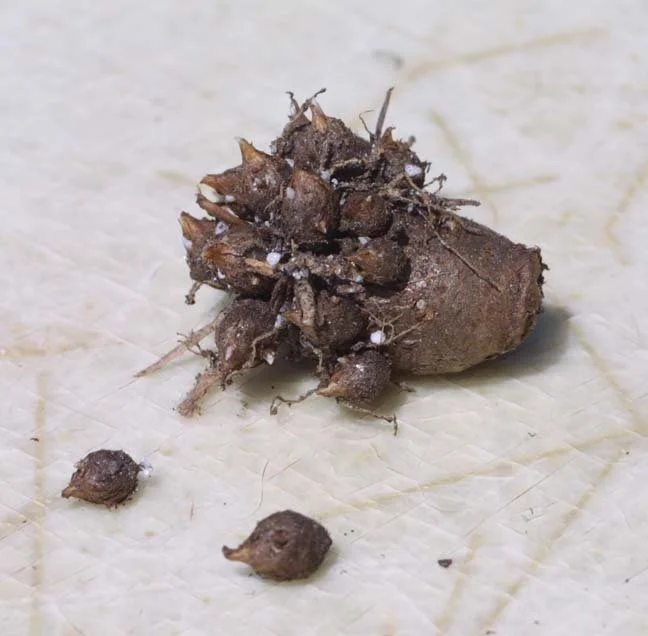
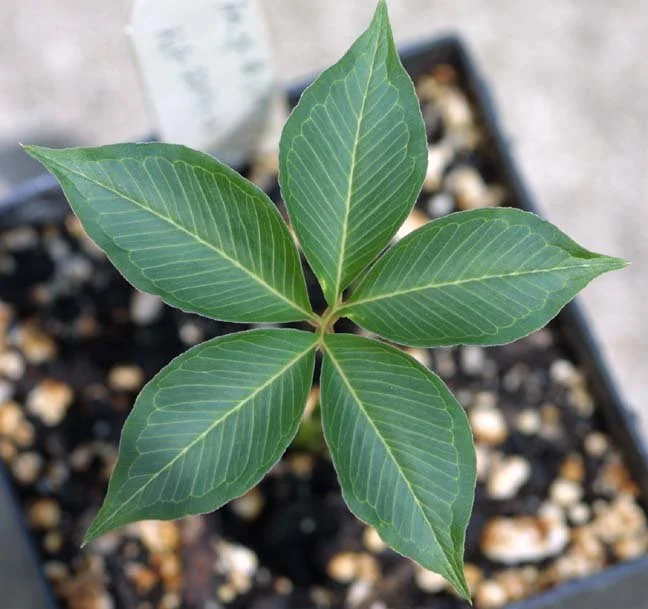
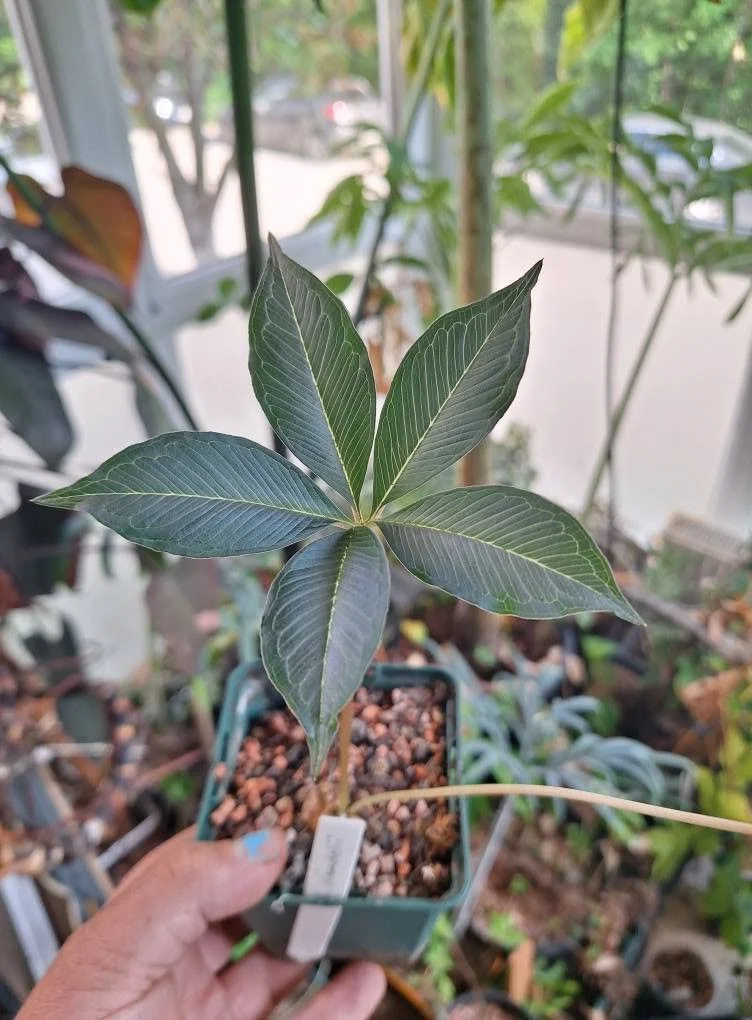
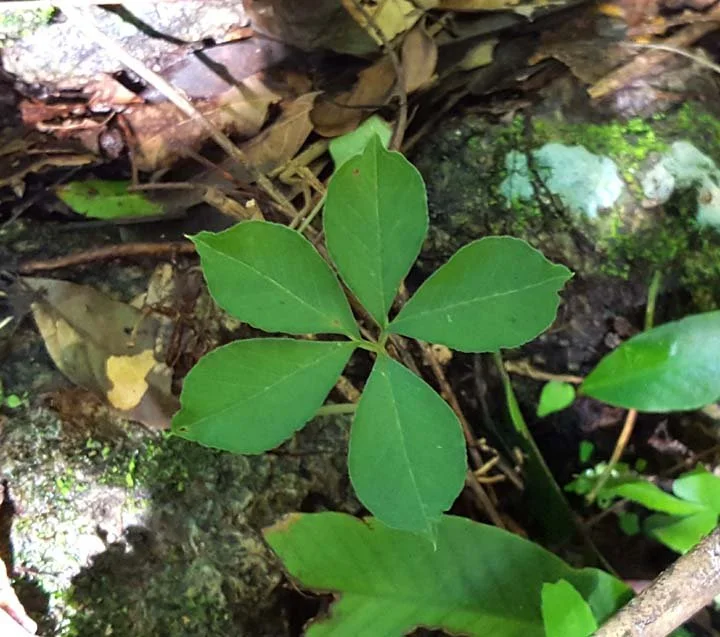
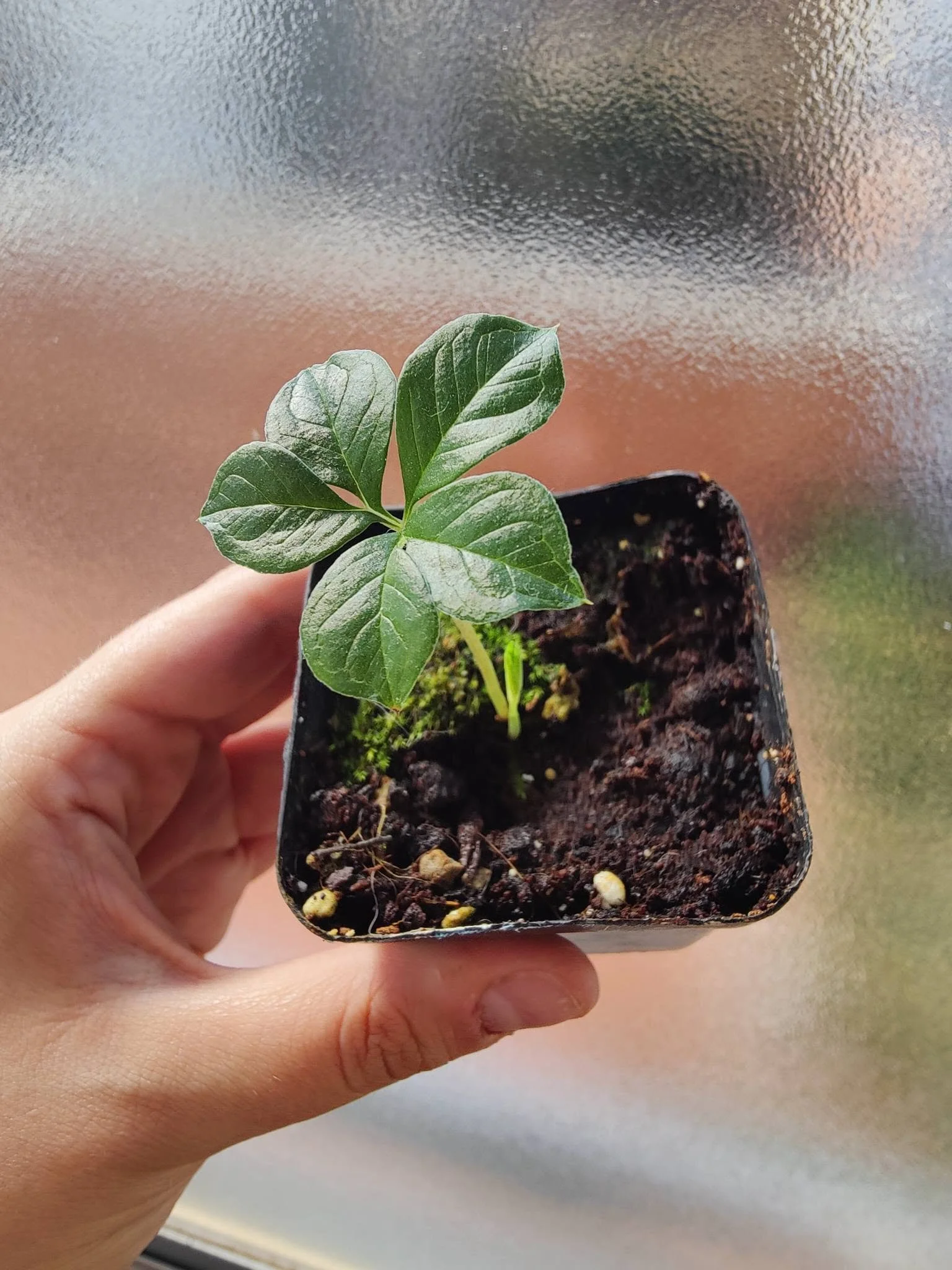
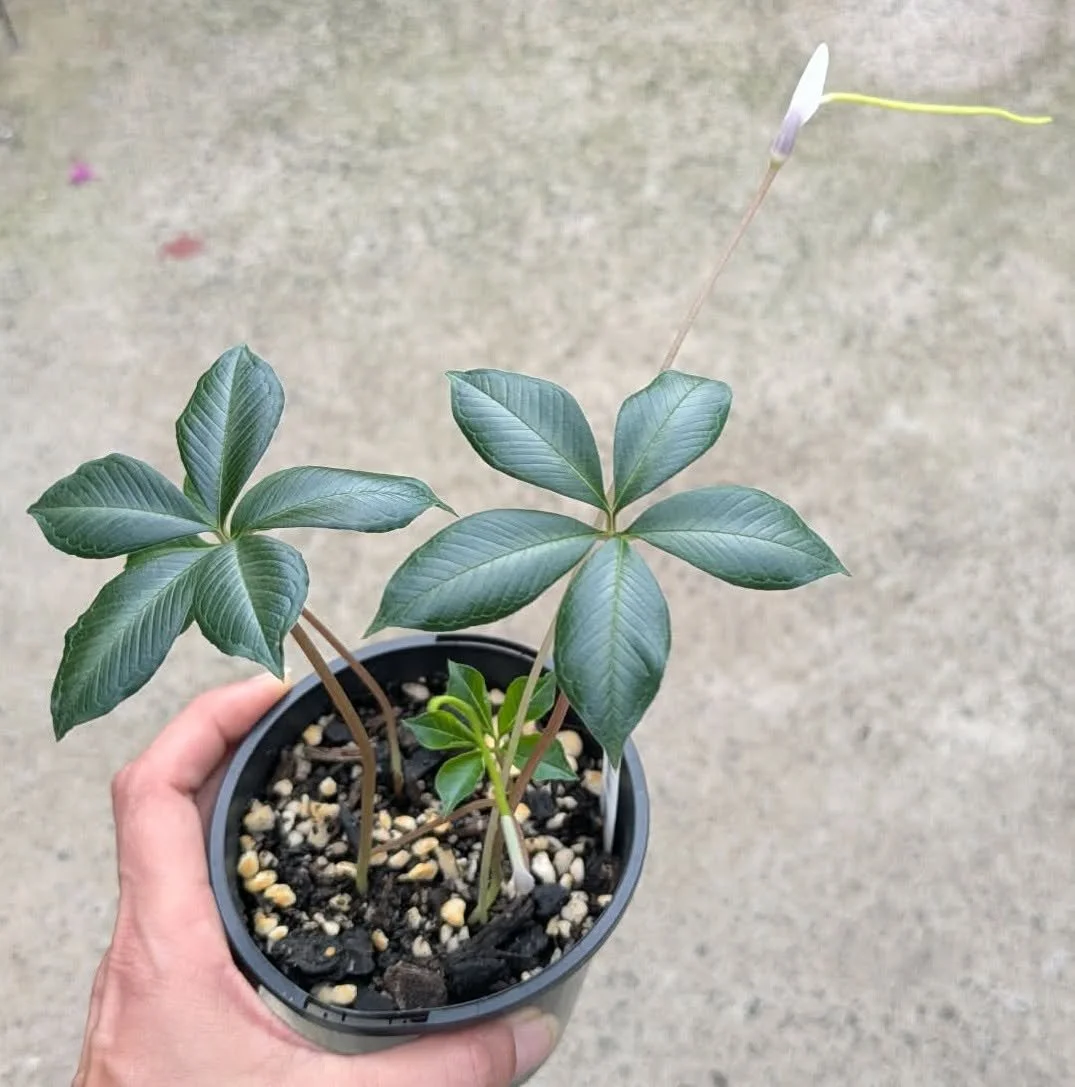
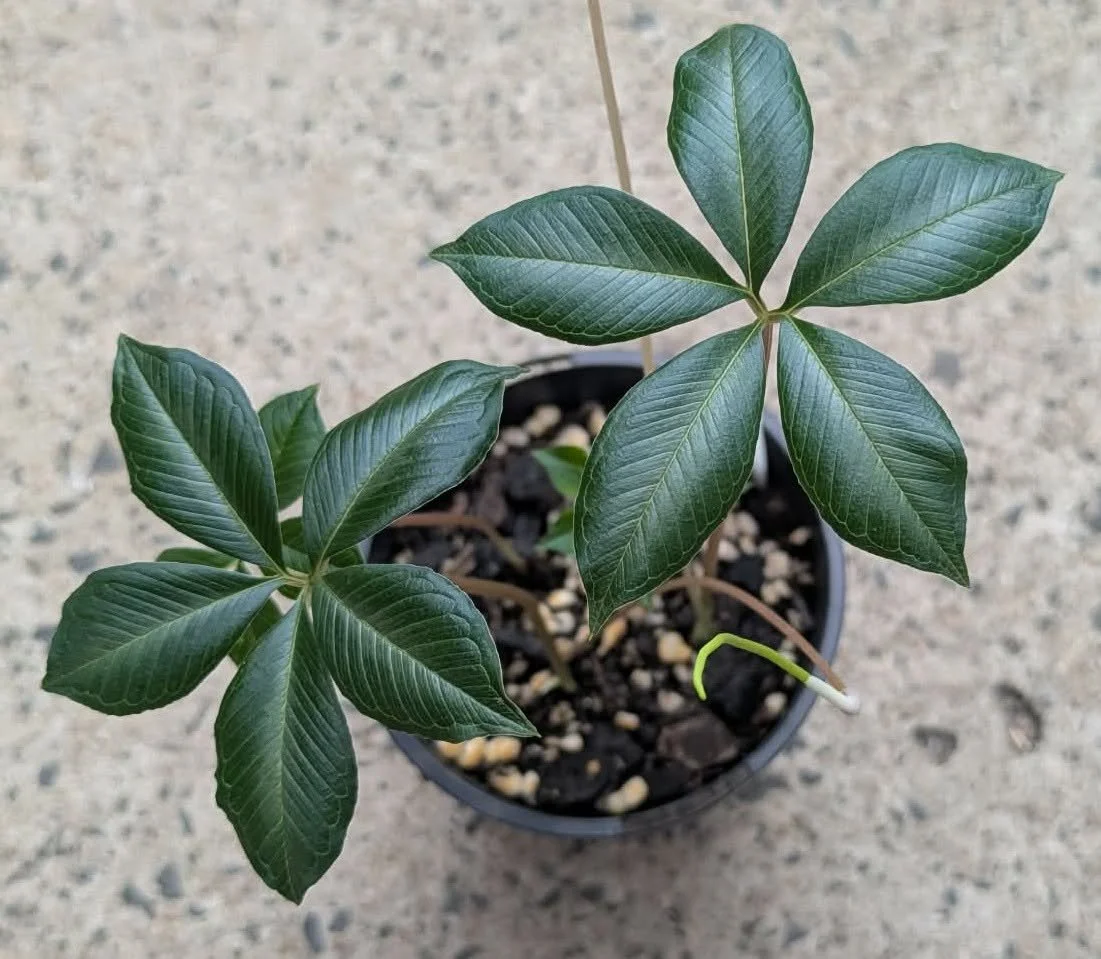
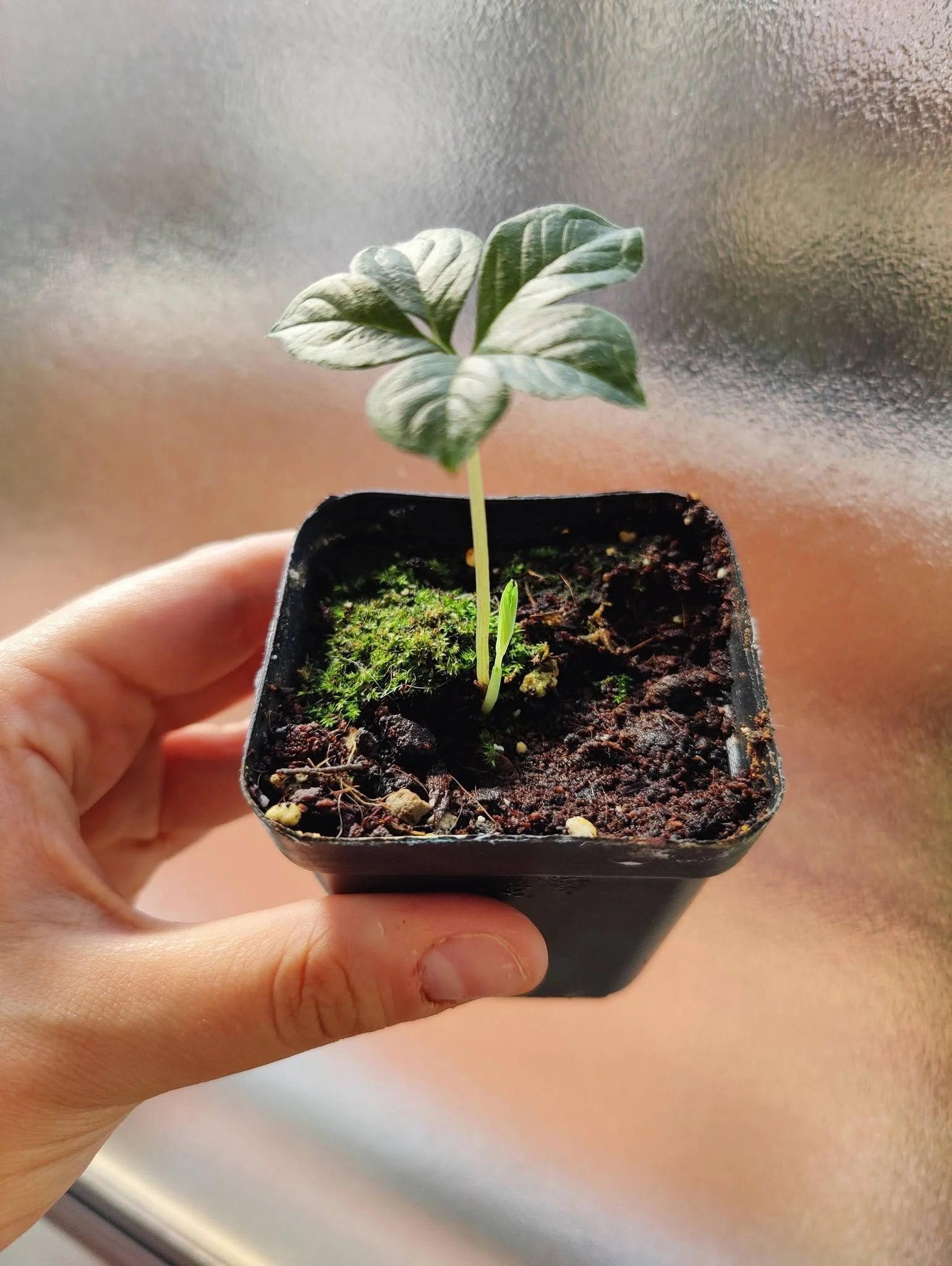
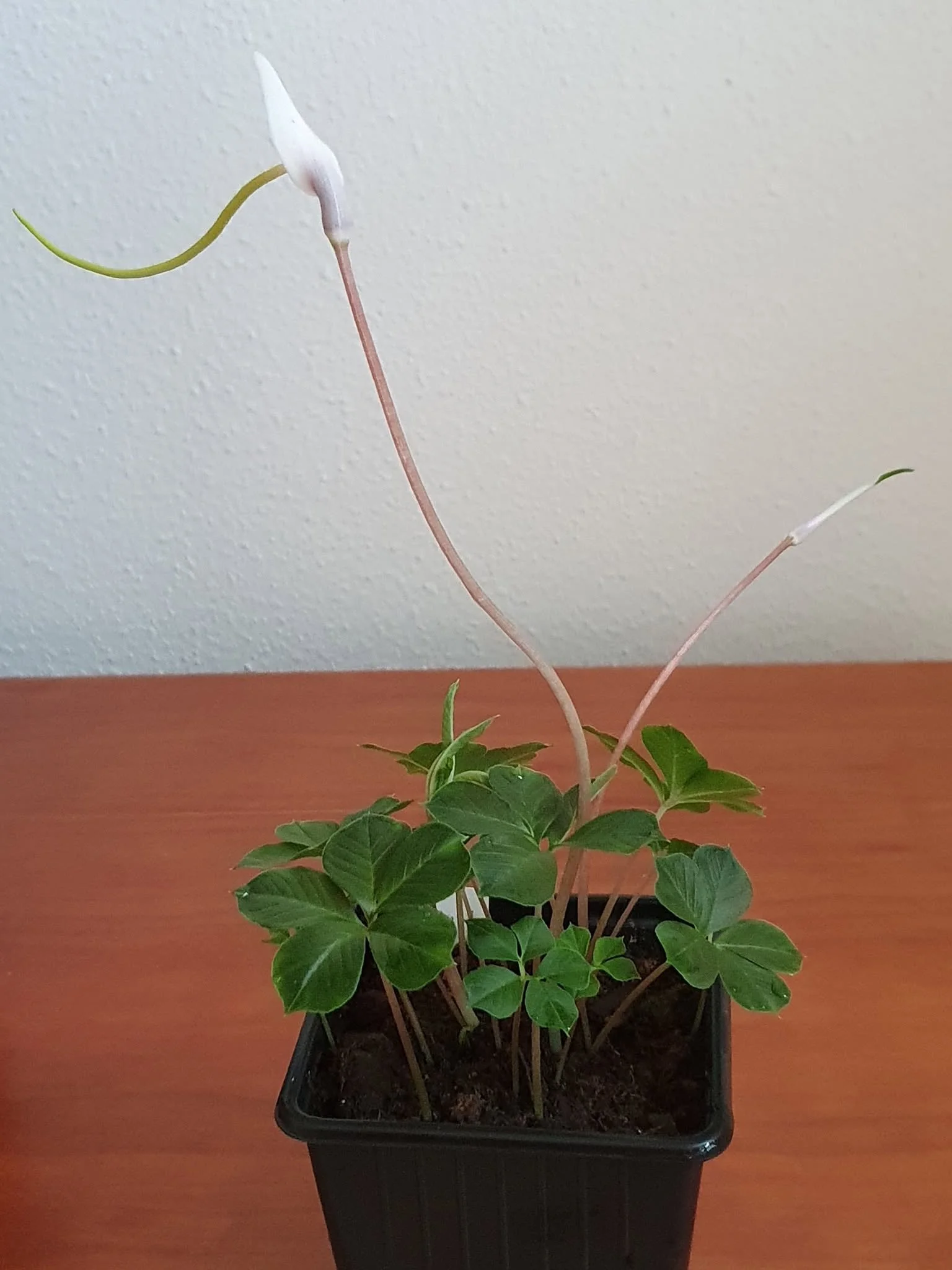
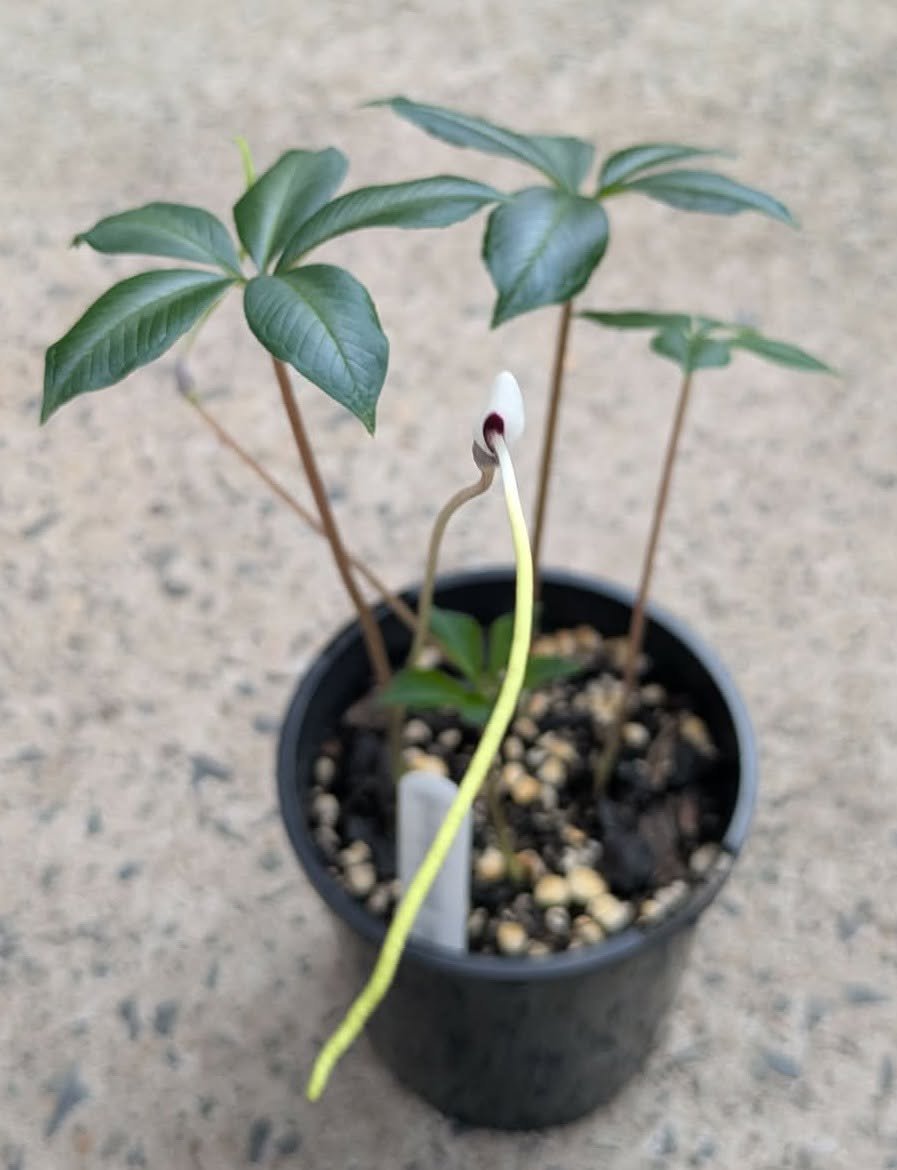
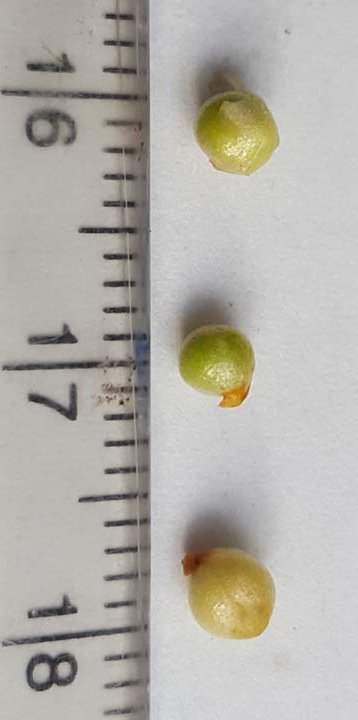
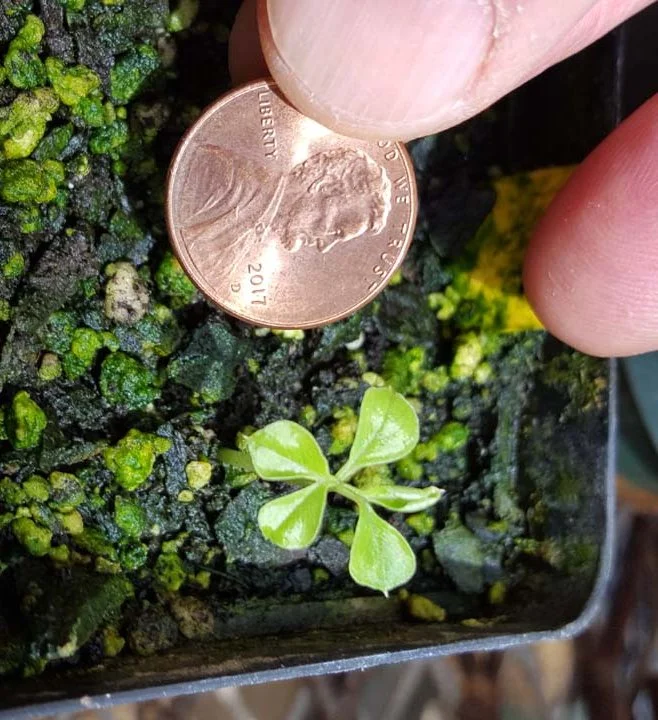
Tuber globose, 1.5–2 cmin diam., brown, seasonally producing numerous (to ca. 15) fusiformoffsets, these up to 4mmlong and 3 mm in diam. Leaf solitary; petiole 10 cm long, 3 mm in diam., pale green, or pale brownish green with darker thin stripes; lamina 14 cm in diam., consisting of only 5 leaflets, rachises very short, not winged; leaflets elliptic, acute acuminate, 7.5 cm long, 3 cm in diam., upper side medium green or bluish green with cream venation, lower side paler.
INFLORESCENCE:
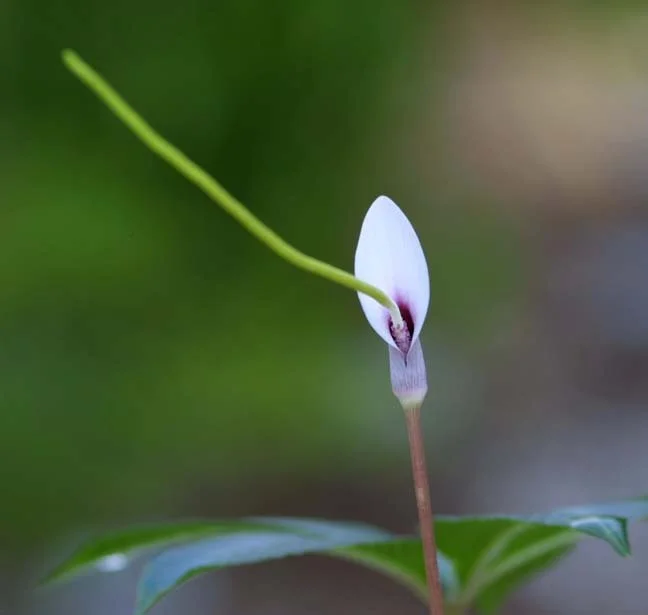
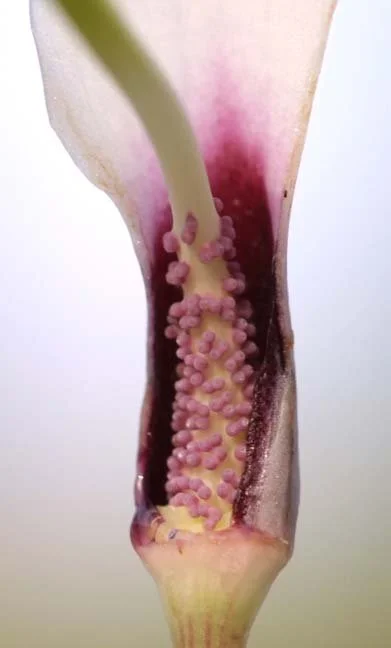
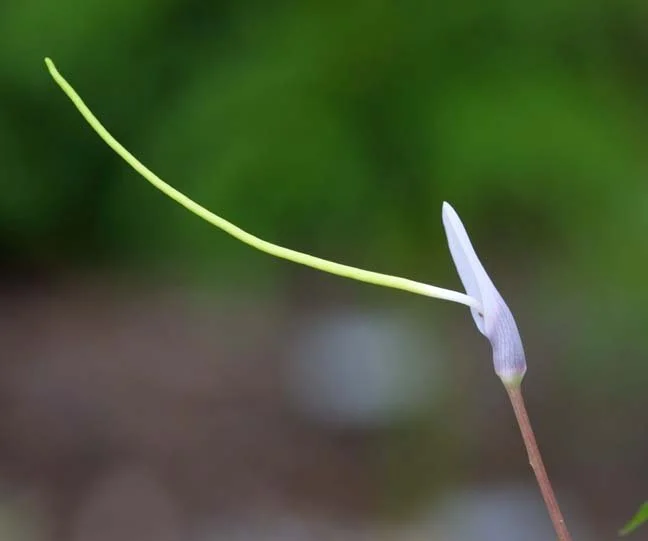
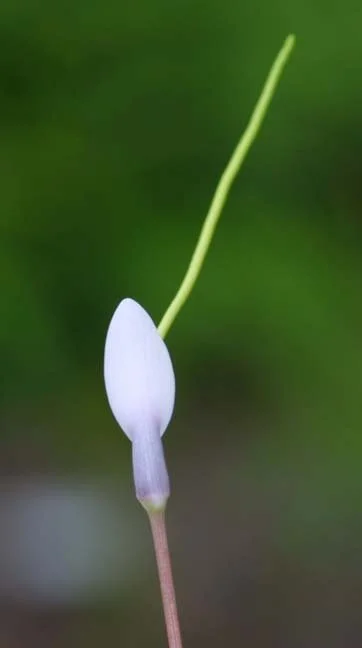
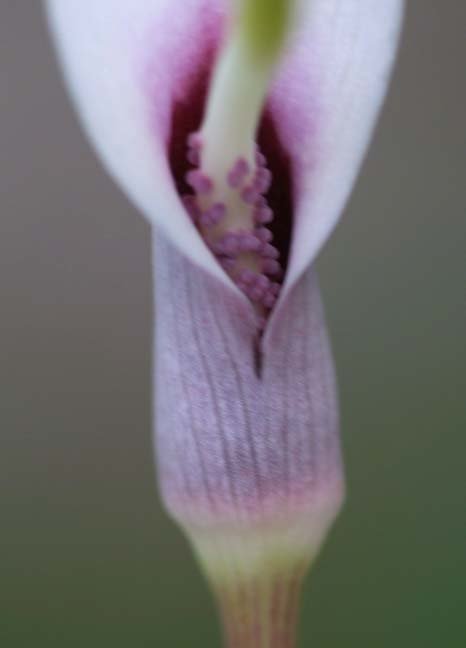
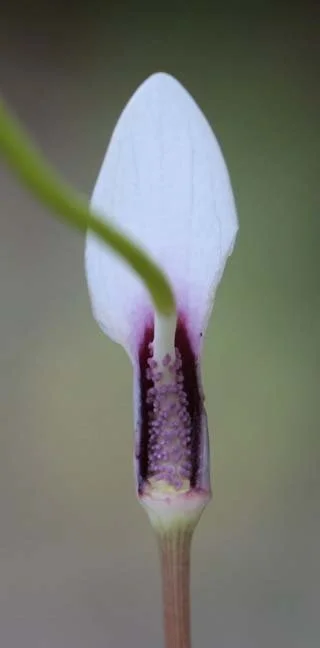
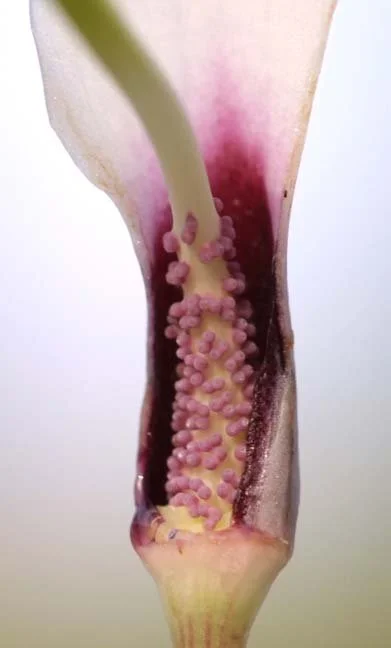
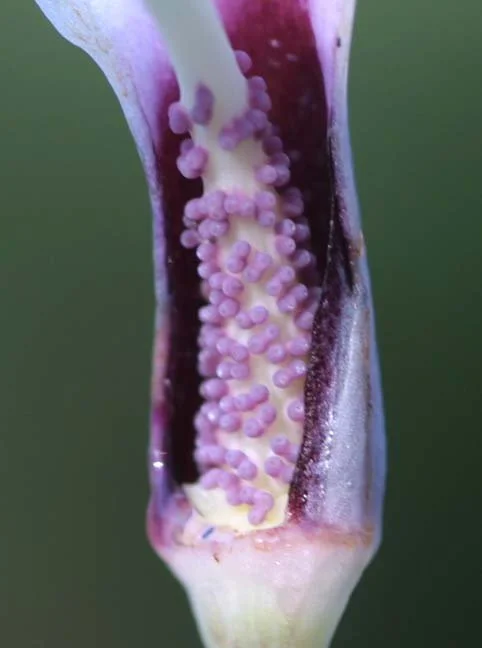
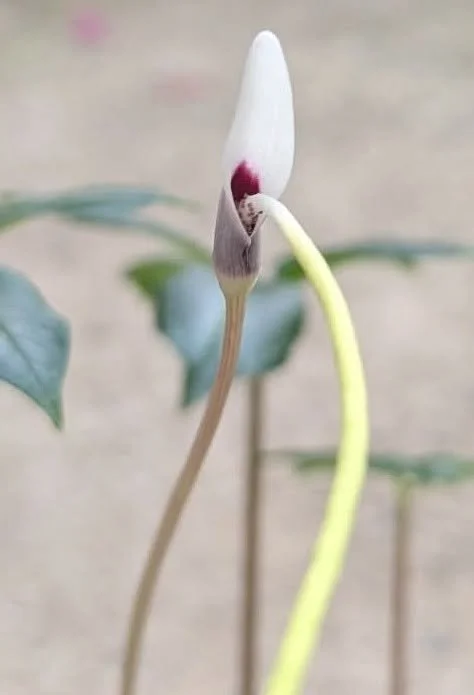
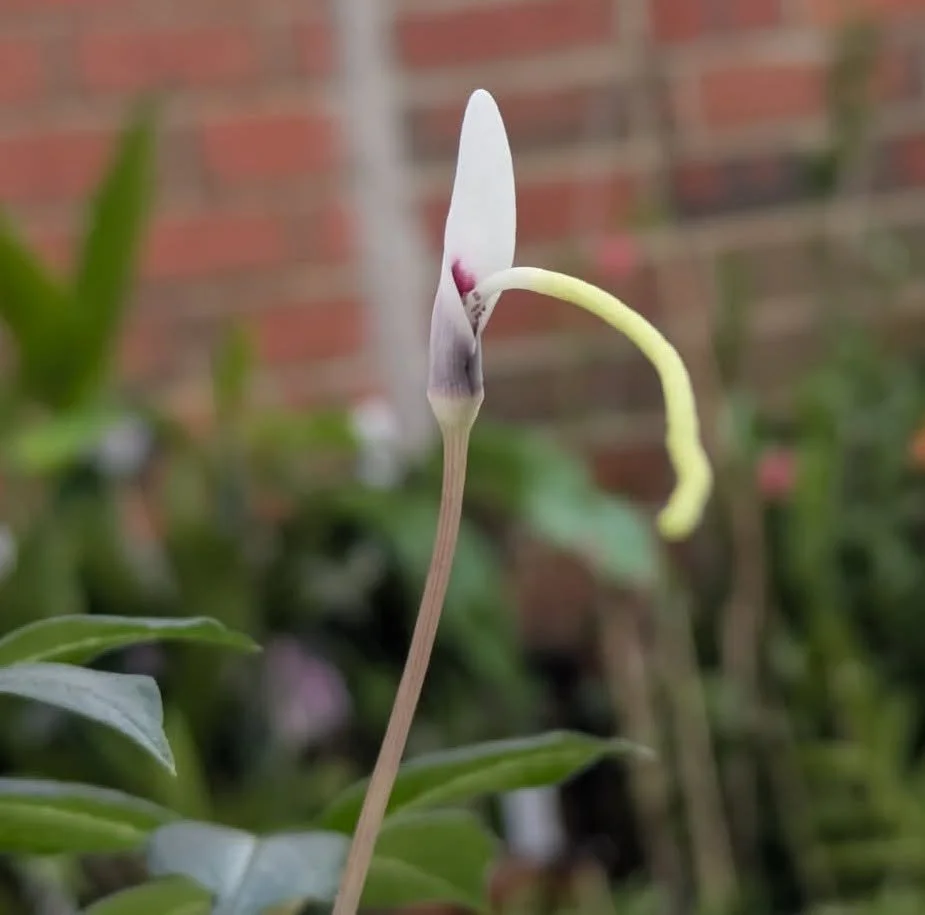
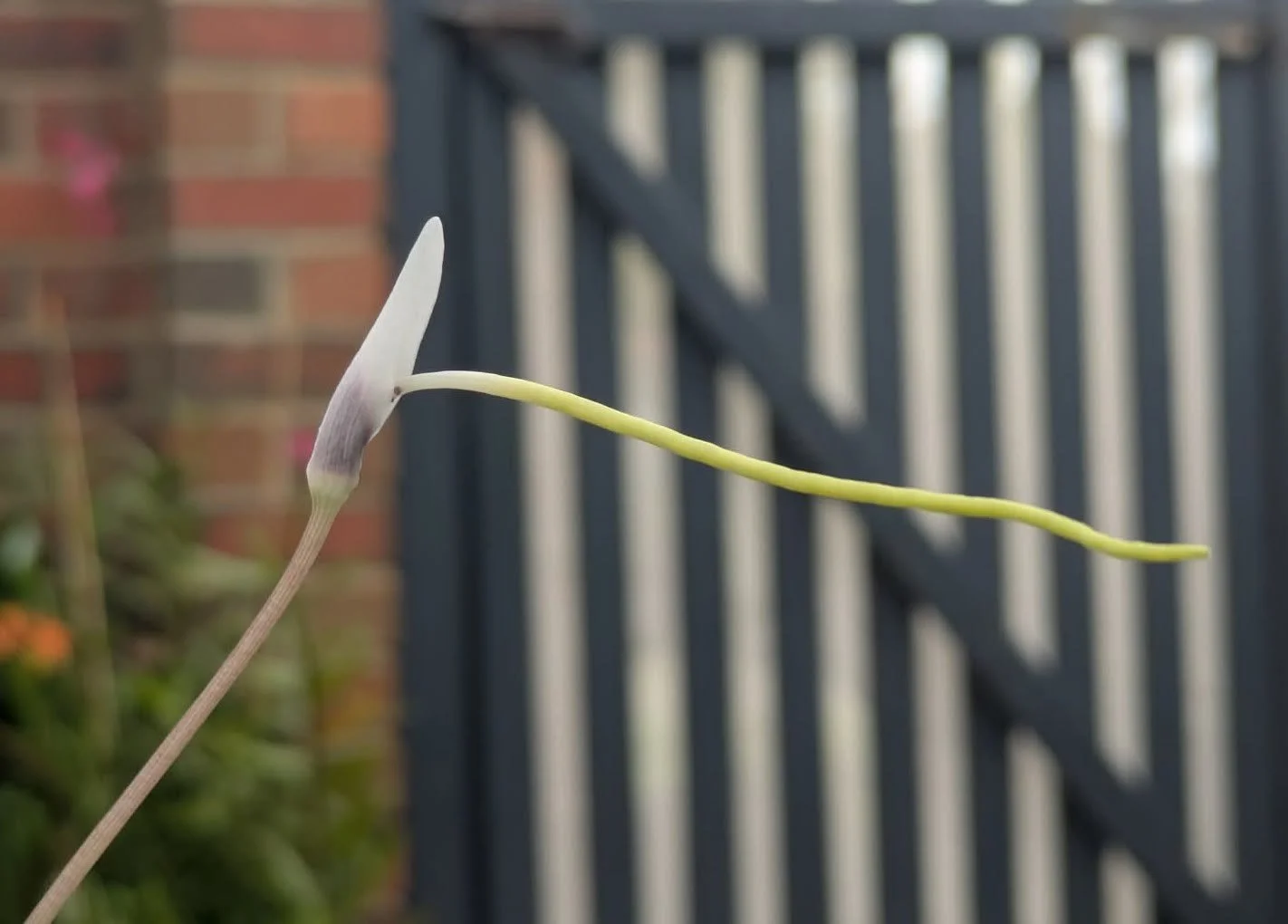
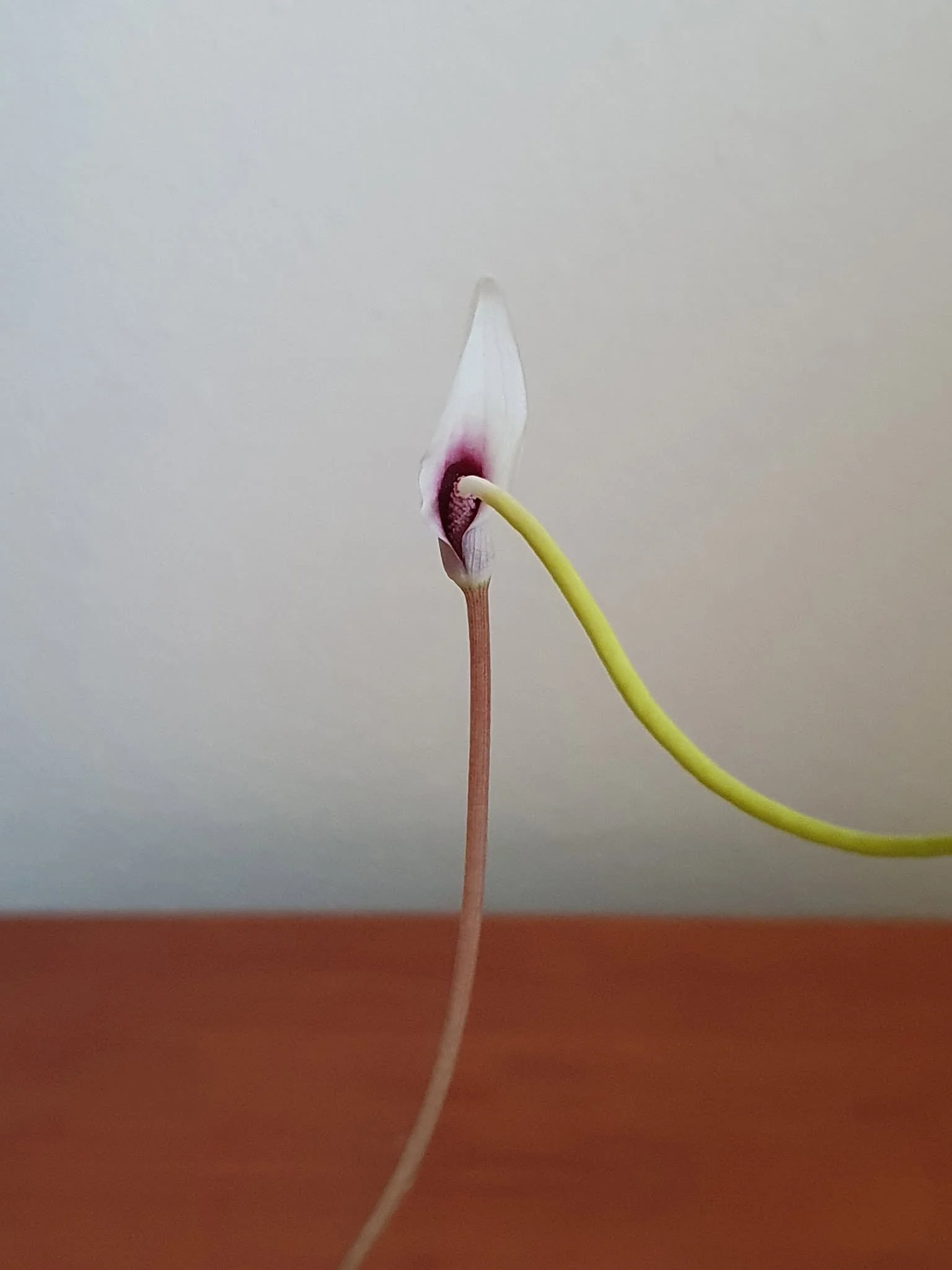
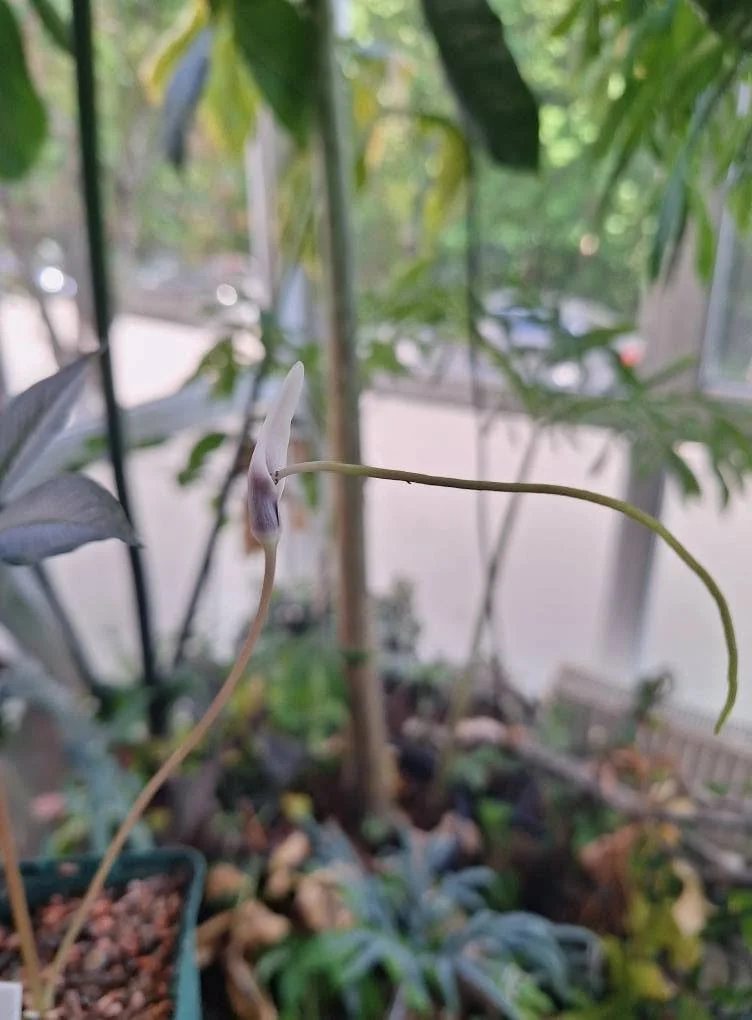
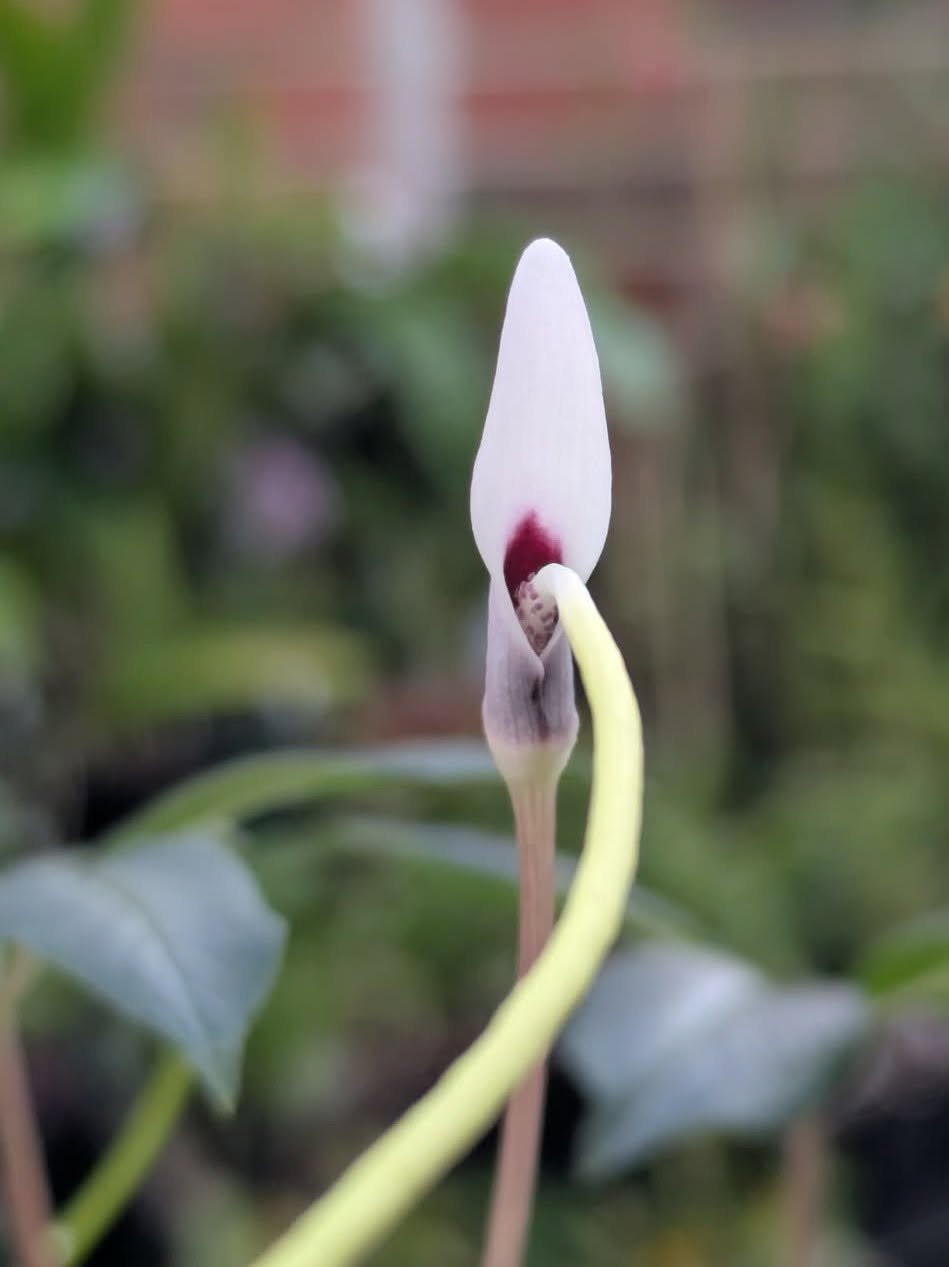
Flowering soon after leaf maturation, sometimes flowering up to three times consecutively, with 2–4 weeks separating each anthesis. Peduncle as petiole 12–14 cm long, ca. 2.5 mm in diam.; spathe narrowly elongate triangular, 2.75 cm long, 0.75 cm in diam. near the base, basal 1 cm tubular, margins fused, outside base pale grayish pink, upwards grading to white, inside lower half dark purplish burgundy, verrucate, inside upper half white, smooth.
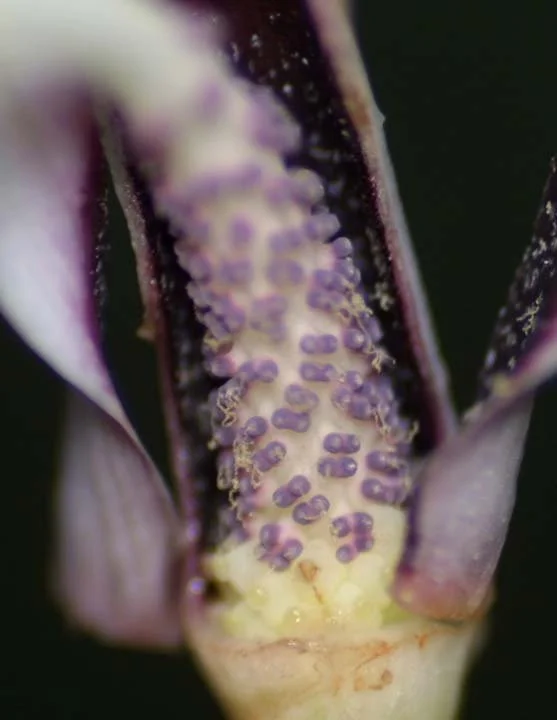
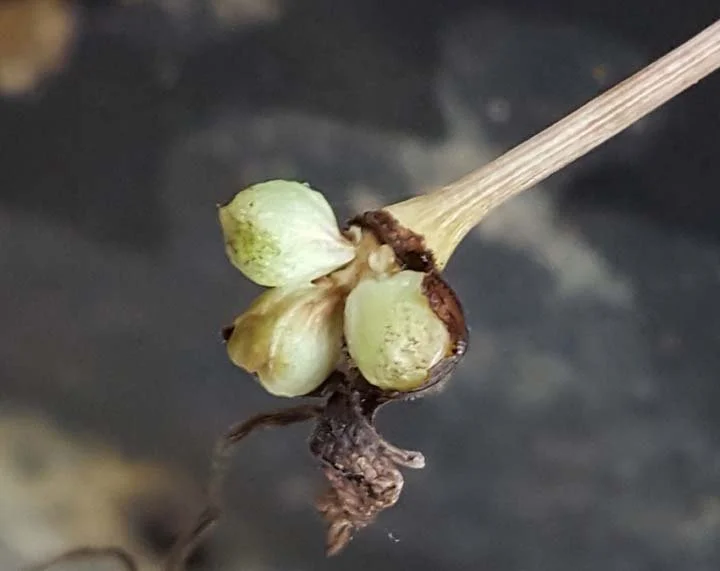
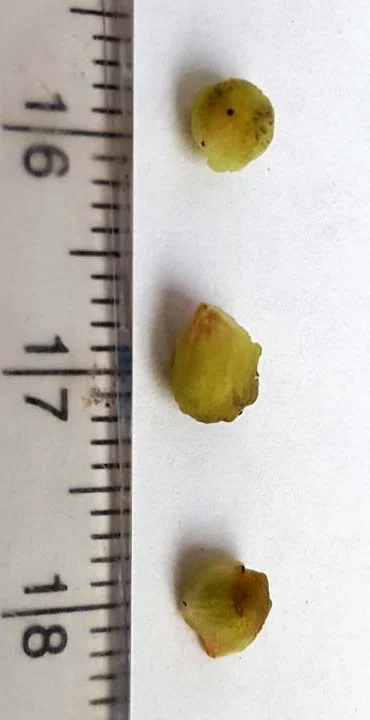
Spadix much longer than spathe, sessile, 7.5–9.5 cm long, 2 mm in diam.; female zone cylindric, 2 mm long, 2 mm in diam., flowers congested; male zone elongate conical, 1.75 cm long, 2 mm in diam., flowers somewhat distant; appendix base arching forward, apex curving upward, 5.5– 7.5 cm long, 2 mmin diam., surface smooth, chartreuse. Ovaries globose, ca. 2 mm in diam., off white, unilocular; style absent; stigma disciform, ca. 0.1 mm high, ca. 0.5 mm in diam., verruculate, greenish-white. Male flowers consisting of 1–6 stamens; filaments partly fused ca. 0.3 mm long; anthers ca. 0.3 mm long, ca. 0.2 mm in diam., pale lavender; pores apical.
VARIEGATED FORMS: N/A
ETYMOLOGY: The species is named after Mr. Cyrille Claudel of Germany for his extensive work on the molecular phylogeny of Amorphophallus, numerous documented experiments of hybridization of Amorphophallus species and his cheerful willingness of sharing the results of his ongoing work.
NOTES:
Amorphophallus claudelii belongs in the group of Laotian species that are dwarf in habit and flower shortly after the leaf matures: Amorphophallus myosuroides, Amorphophallus ongsakulii, and Amorphophallus pulchellus. Amorphophallus claudelii differs from Amorphophallus ongsakulii and Amorphophallus myosuroides in having a considerably longer appendix and a significantly narrower spathe. Furthermore it differs from Amorphophallus ongsakulii by a completely different leaf architecture and from Amorphophallus myosuroides by lacking the naked sterile zone between the female and the male flower zone which is characteristic for Amorphophallus myosuroides. Besides, Amorphophallus myosuroides exhibits white inflorescences. It differs from Amorphophallus pulchellus in having a chartreuse appendix that arches upwards, whereas Amorphophallus pulchellus has an offwhite appendix that is pendulous. Furthermore Amorphophallus claudelii has fusiform offsets whereas Amorphophallus pulchellus has rhizomatous offsets.
In pot culture Amorphophallus claudelii can be treated in the same way as Amorphophallus myosuroides, Amorphophallus ongsakulii, and Amorphophallus pulchellus during dormancy, which prefer to be stored dry.
CULTIVARS: N/A
HYBRIDS: N/A

REFERENCES:
Additional photos by Leafy McLeafy, The Ozzie Orchid Empress, Pascal Bruggeman and Simon Pointner