AMORPHOPHALLUS DECUS-SILVAE
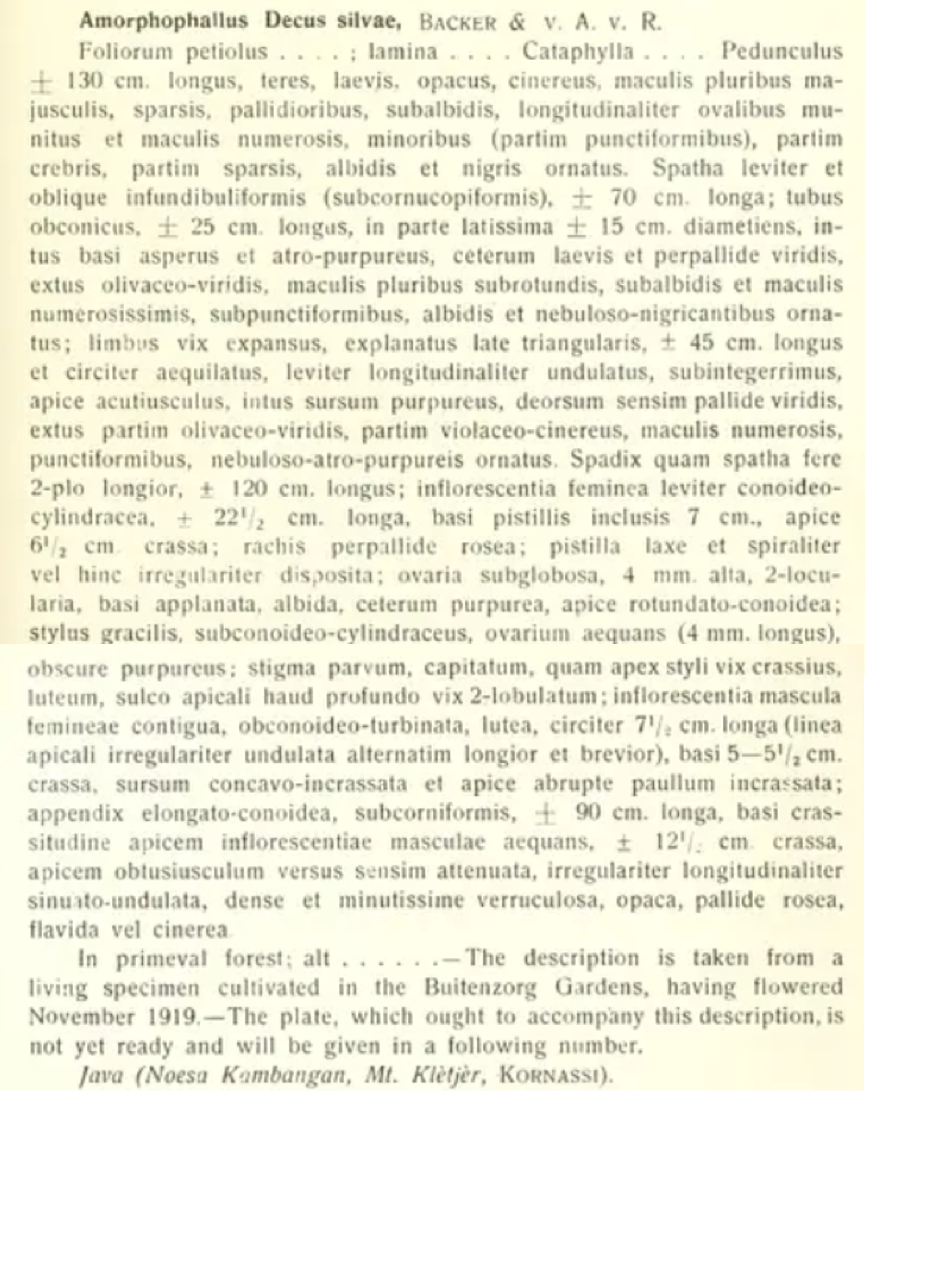
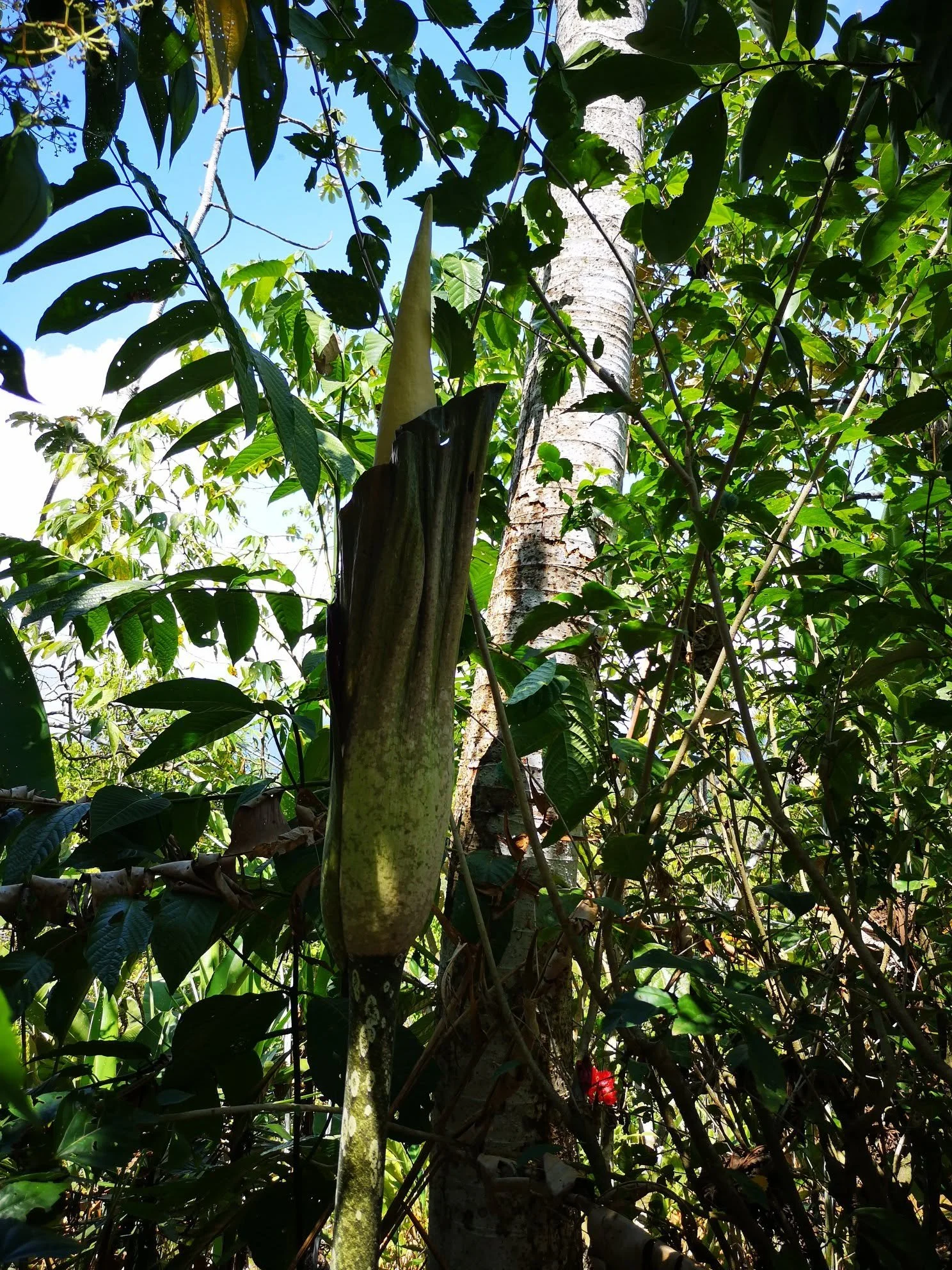
Photo by Alan Galloway
SYNONYMS:
HOMOTYPIC SYNONYMS: N/A
HETEROTYPIC SYNONYMS: N/A
ACCEPTED INFRASPECIFICS: N/A
OTHER: N/A
DISTRIBUTION: Indonesia | Java | Nusa Kambangan
CLIMATE: N/A
ECOLOGY: Secondary forest
SPECIES DESCRIPTION:
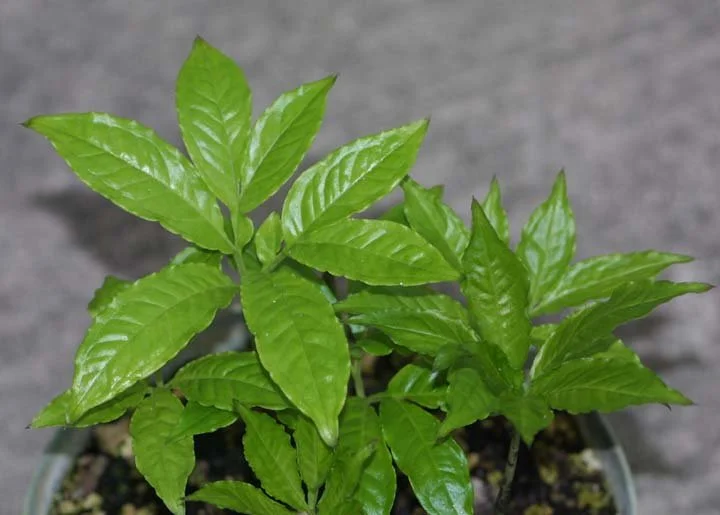
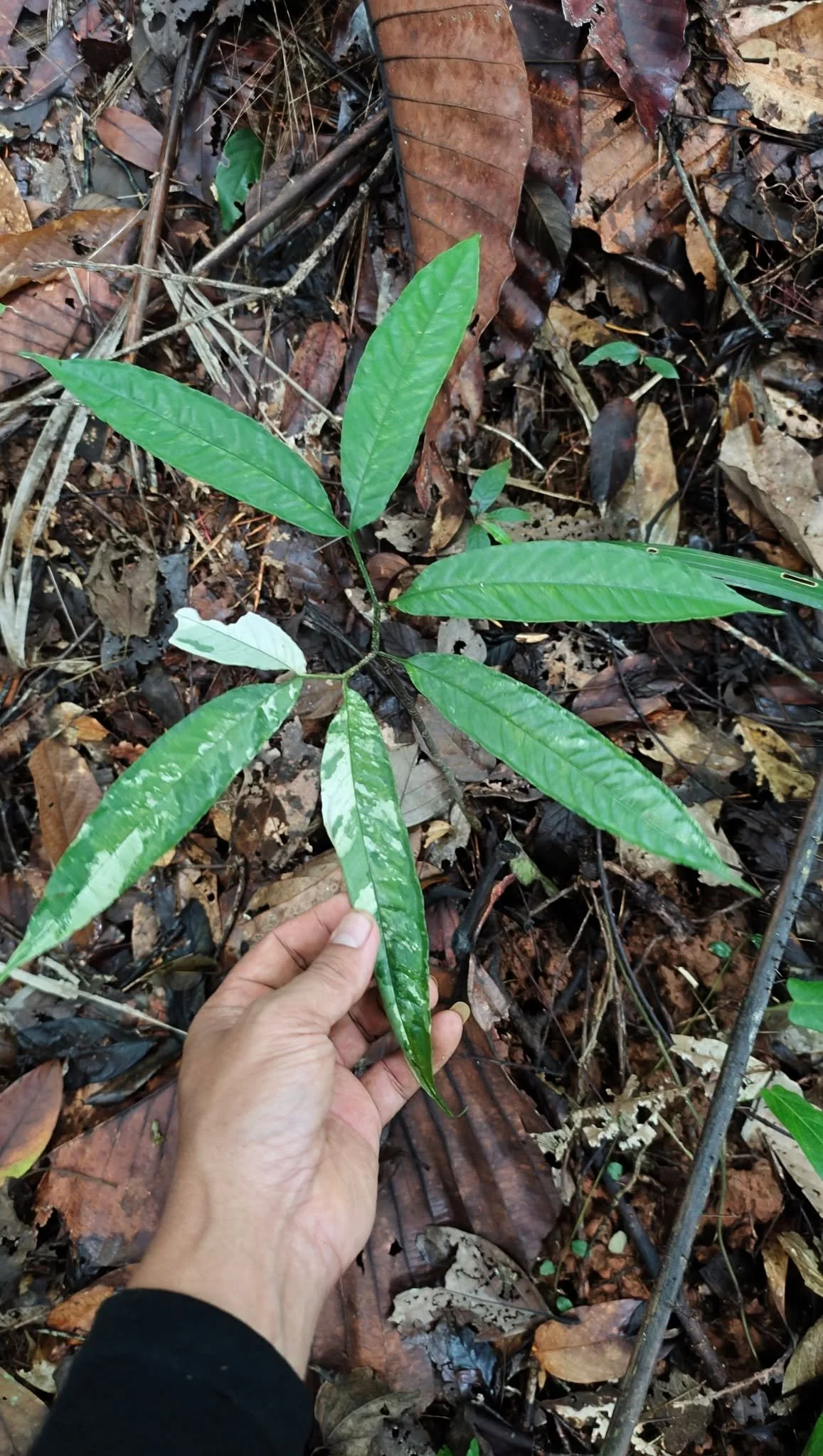
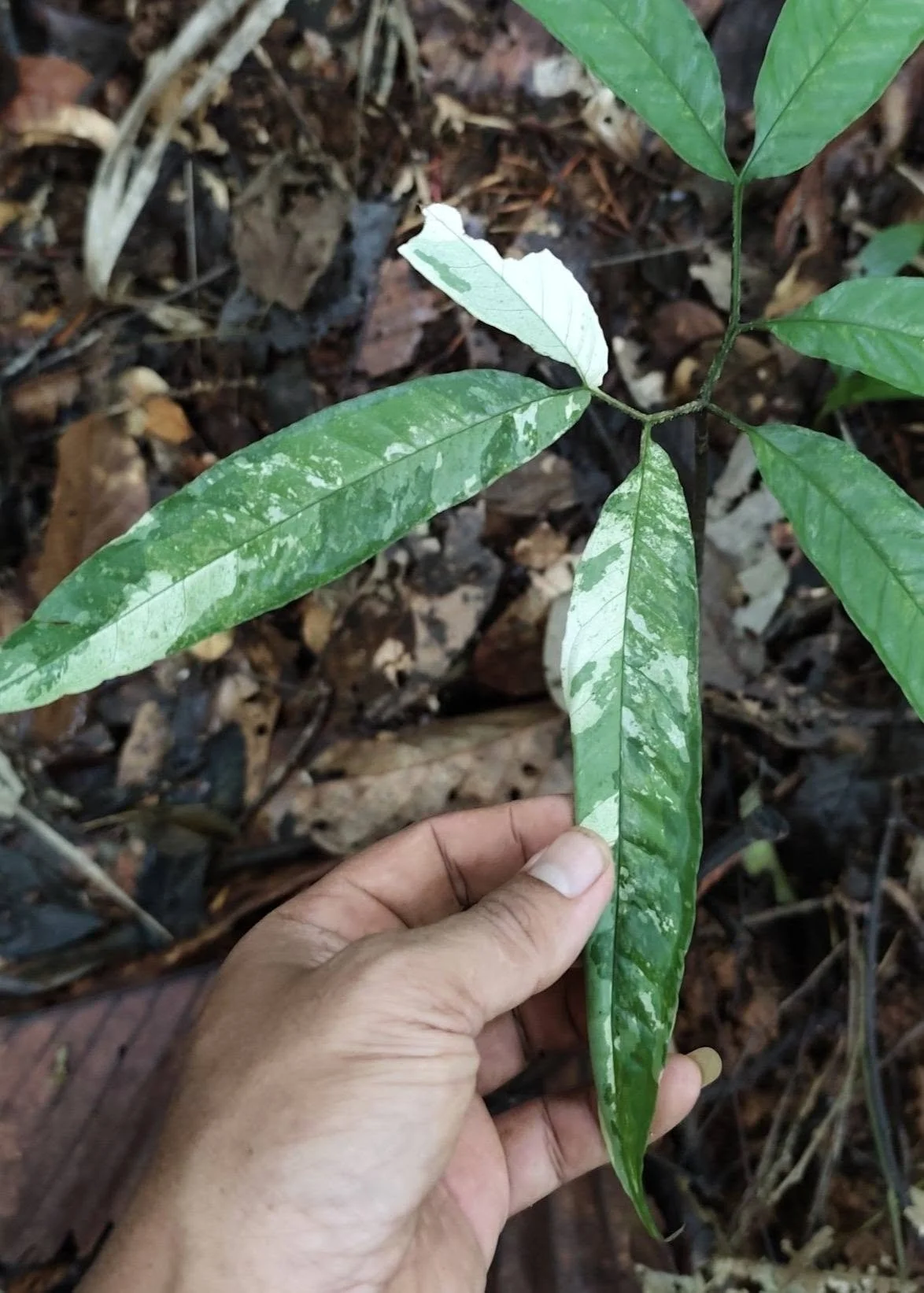
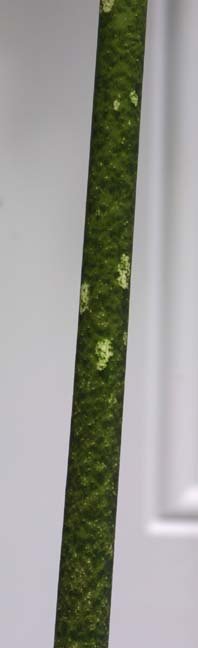
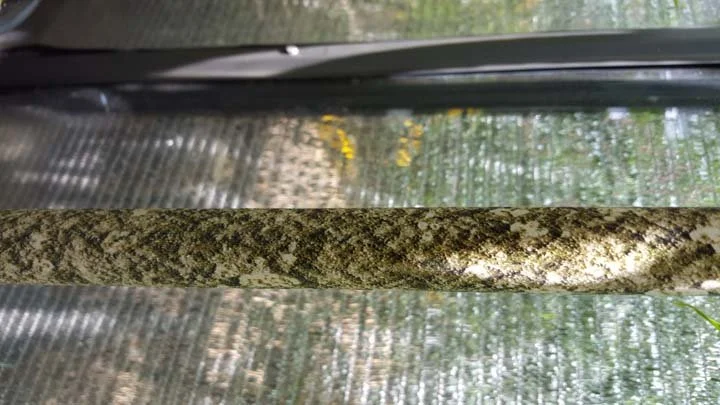
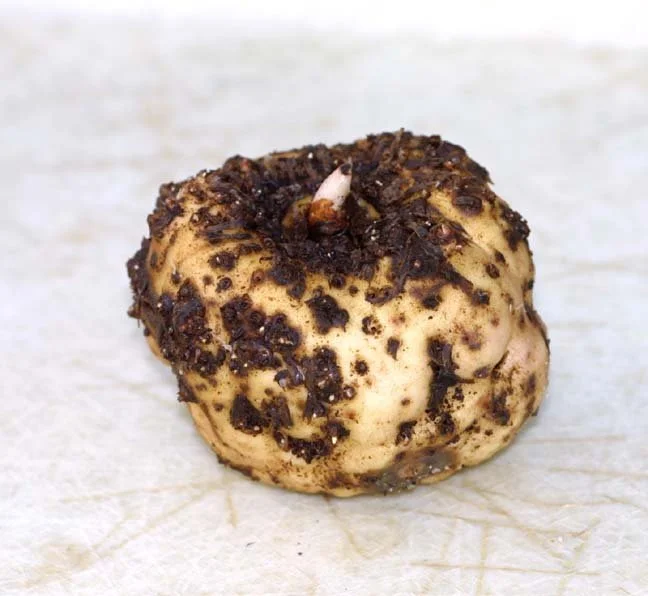
Seasonally dormant herb; tuber ca. 40 cm in diam.; leaf solitary; petiole 200−350 cm long, 13–20 cm in diam., greyish to greyish green with numerous small scattered dark−brown spots that sometimes fuse, and large elongate whitish spots centred by greenish−brown spots, with surface rough at base, otherwise smooth; lamina 3–4 m wide; leaflets (narrowly) elliptic, 9−32 cm long (dry), 3−10 cm wide (dry), with acuminate to caudate tip 1−4 cm long (dry); primary veins 7−19 on each side, joining with intramarginal vein, slightly raised both adaxially and abaxially, diverging at 40°−55°; submarginal vein present; secondary veins flush with lam-ina;
INFLORESCENCE:
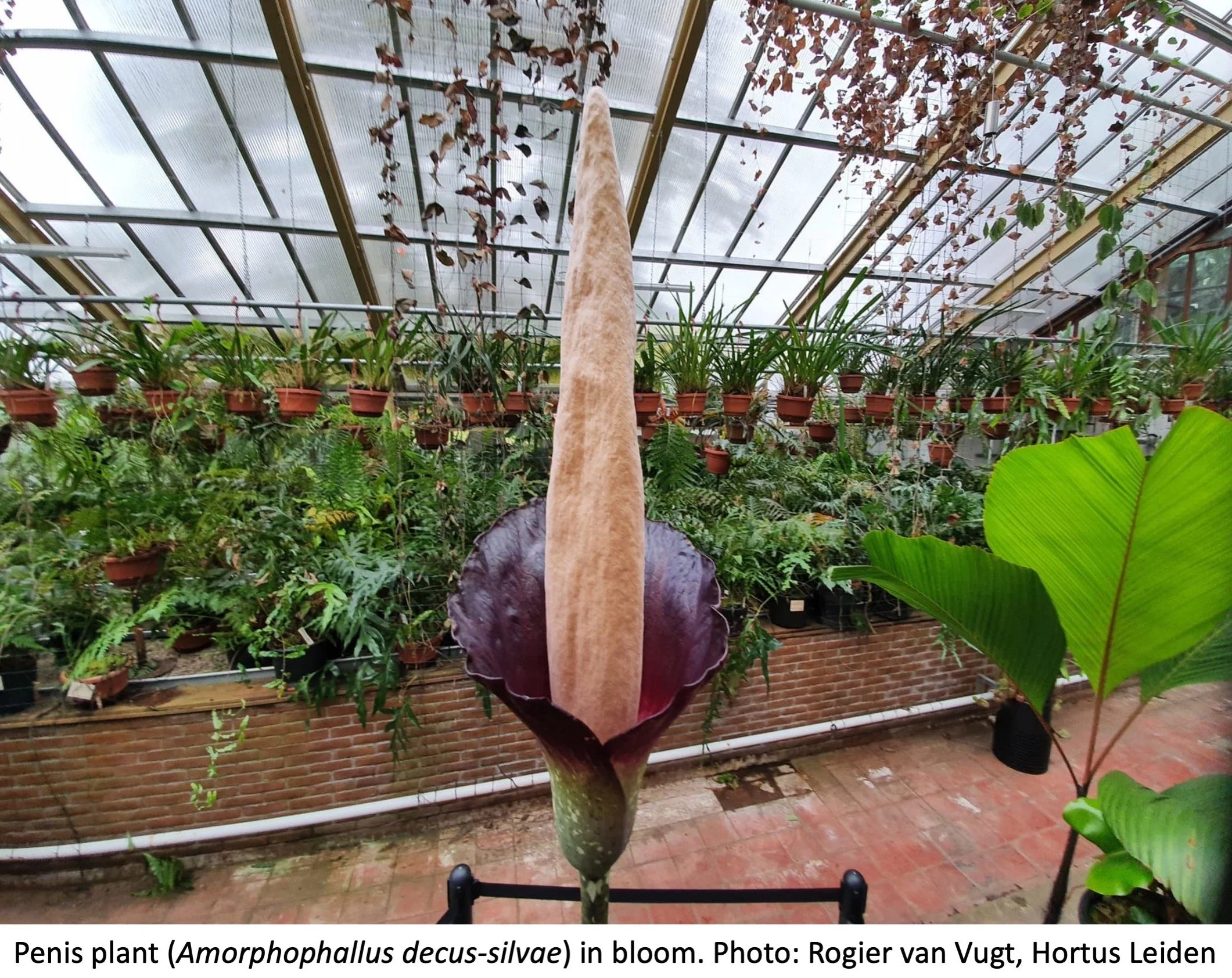
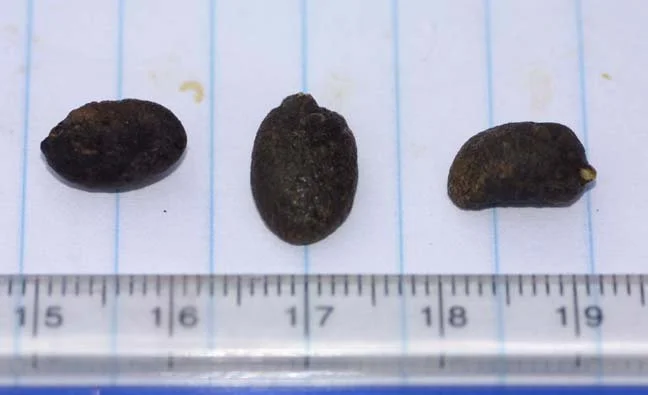
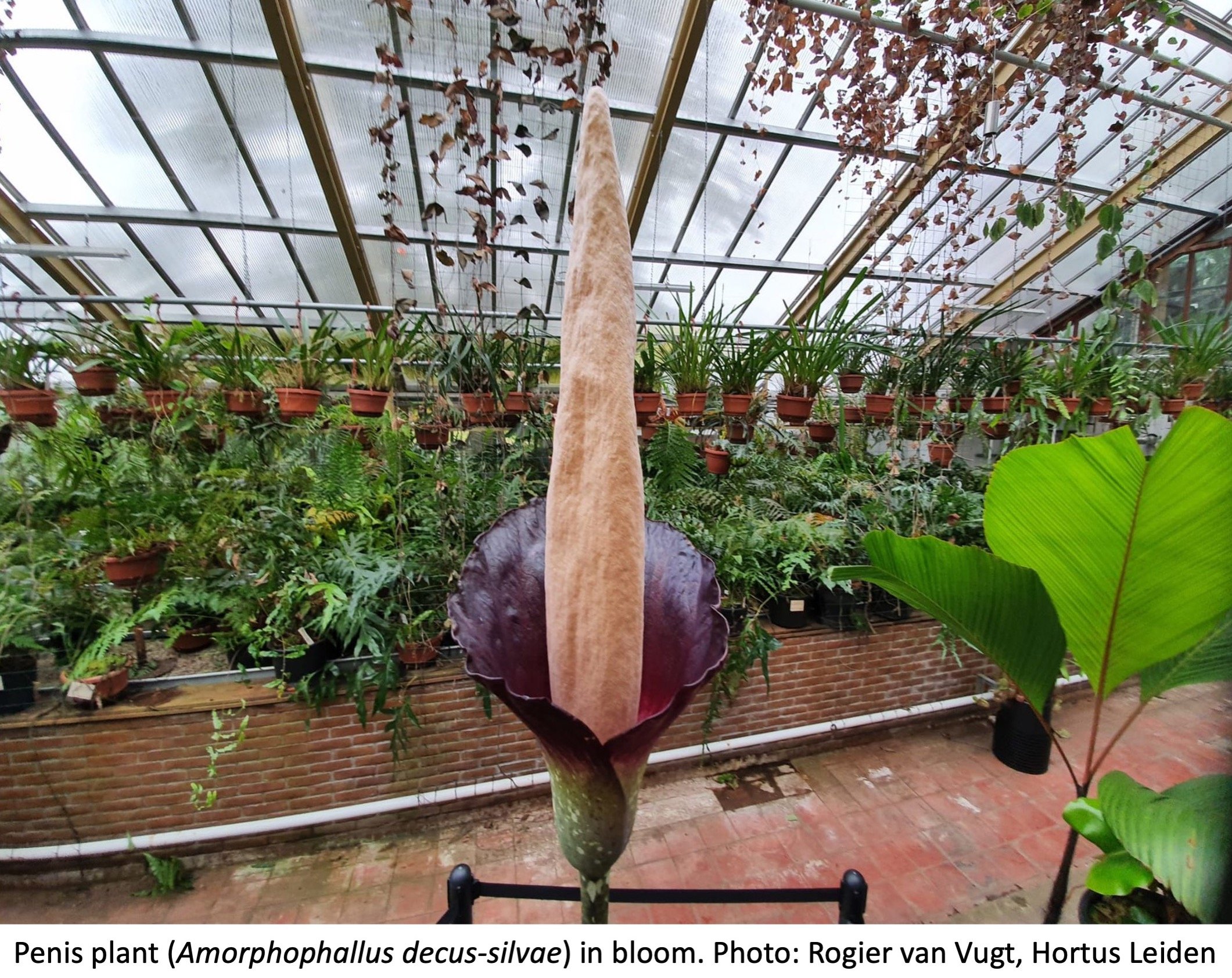
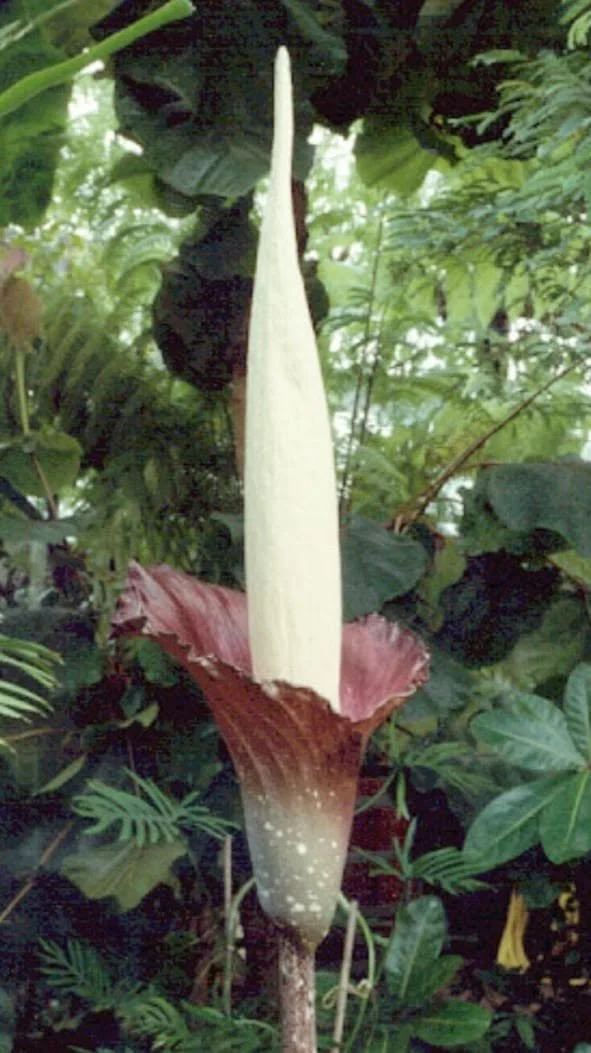
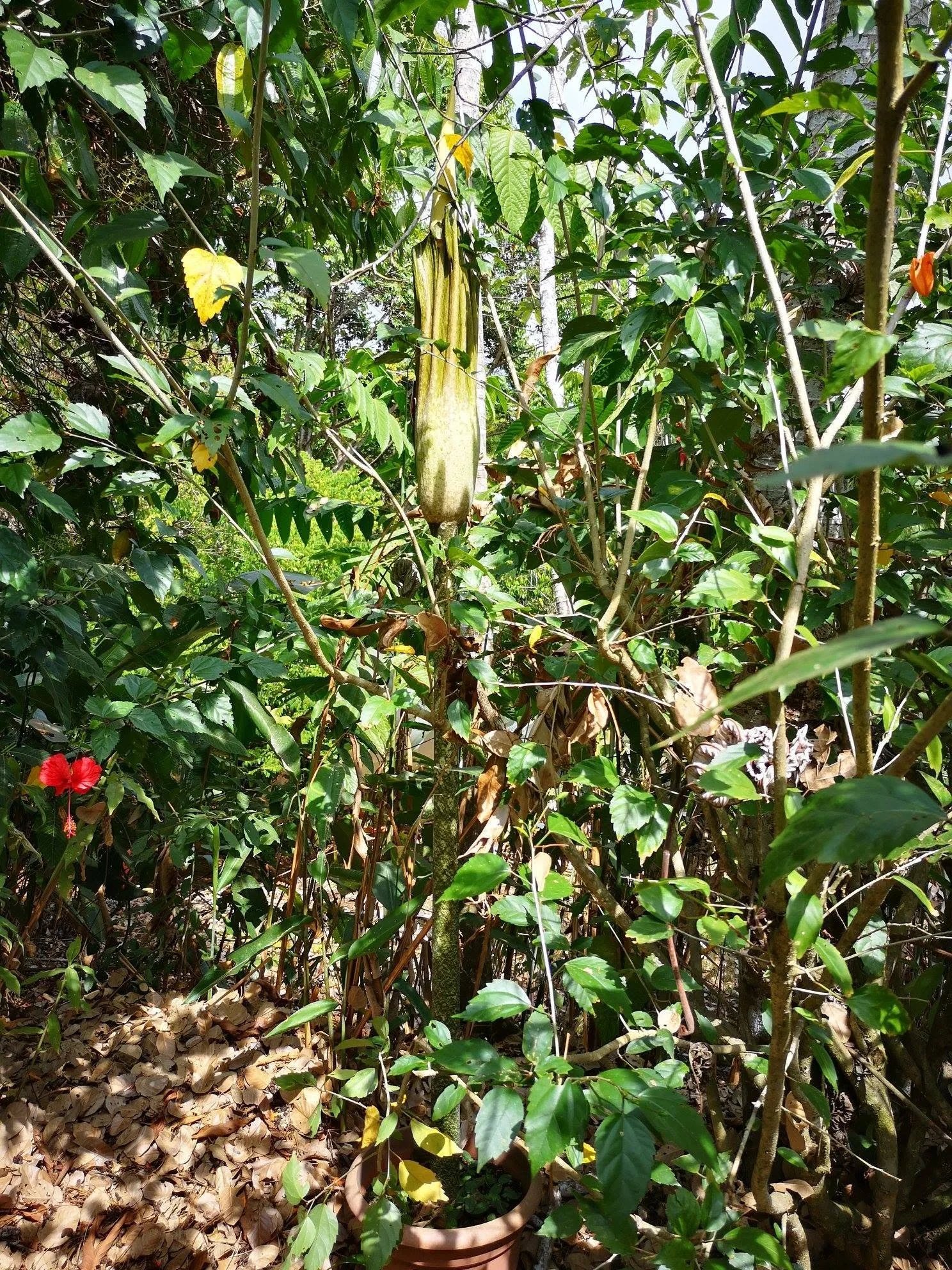
Inflorescence solitary; peduncle as petiole in colour, 105−300 cm long; spathe campanulate, erect, broadly ovate, (50−)70−75 cm long, 45−50 cm in diam., olive−green or greyish purple with large and small pale to dark green spots outside, purple with numerous small ridge−like warts at base inside, grading to pale green at the middle, and becoming purple toward apex; spadix sessile, (50−)105−120 cm long, (subequalling or) exceeding the spathe; female zone cylindric, 3−4 times the length of male zone; ovary subglobose, 0.3−0.4 cm high (dry), 0.3−0.5 cm in diam (dry); style ca. 0.4 cm long (dry); stigma inconspicuously bilobed; sterile zone absent; male zone obconical, yellow; stamen ca. 0.1 cm long (dry); thecae opening through apical pores; appendix ca. 90 cm long, ca. 125 cm in diam. at the base, reddish to pale yellow, attenuate, bearing ir-regular elongated staminodes; fruit unknown.
Video by PlantwithRoos
VARIEGATED FORMS: N/A
ETYMOLOGY: The epithet decus-silvae is quite evocative Latin: decus = “glory, ornament, splendor” and silvae = “of the forest,” so essentially “the glory/ornament of the forest.”
NOTES:
Amorphophallus decus-silvae is a rare species restricted to West Java and is the tallest Amorphophallus species found on the island. It has been recorded from localities including Mount Karang (Pandeglang) and Lengkong Forest (Sukabumi), and has also been newly recorded from Mount Halimun National Park based on a photograph taken by a ranger. The species was initially collected by Kornasi from Nusa Kambangan, a small island near Cilacap, and subsequently cultivated at the Bogor Botanic Garden, where the material from which the type was described was grown. Unfortunately, the cultivated plant no longer survives, having died in November 1949. According to Hetterscheid (pers. comm.), herbarium and spirit specimens of this cultivated material were deposited as types at Herbarium Bogoriense (holotype) and Leiden (isotype). However, during a subsequent short visit to Herbarium Bogoriense, these specimens could not be located. Further searches are needed among the collections of cultivated material or in the Bogor Botanic Gardens Herbarium.
Amorphophallus decus-silvae is closely related to Amorphophallus gigas, an endemic Sumatran species. The two species share a very similar overall morphology and habit, including their enormous dimensions and very long peduncles, but they can be distinguished by several reproductive characters. Amorphophallus decus-silvae has smaller stigmas (0.7–0.8 mm versus 1–1.4 mm in Amorphophallus gigas), longer and more slender styles (4–4.5 mm versus 2–3 mm), and shorter stamens. Its anthers have very obtuse angles and rounded rather than elongated pores; the connectives are flat and ungrooved, and the pollen is fossulate (Hetterscheid, pers. comm.).
The protologue description is taken from a living specimen cultivated in the Buitenzorg Gardens, which flowered in November 1919
CULTIVARS: N/A
HYBRIDS: N/A
REFERENCES:
Bulletin du Jardin Botanique de Buitenzorg (Bogor now) Ser. 3 V1 (1920) P.369
The genus Amorphophallus in Java - Reinwardtia Vol 13 (2009) P.3-4
Additional photos and video by Rogier van Vugt, Roos Kocken, Cycas Javana, Jim Hughes and Mi Temm