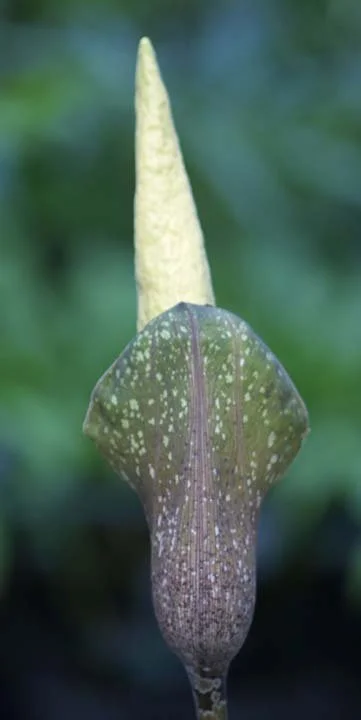
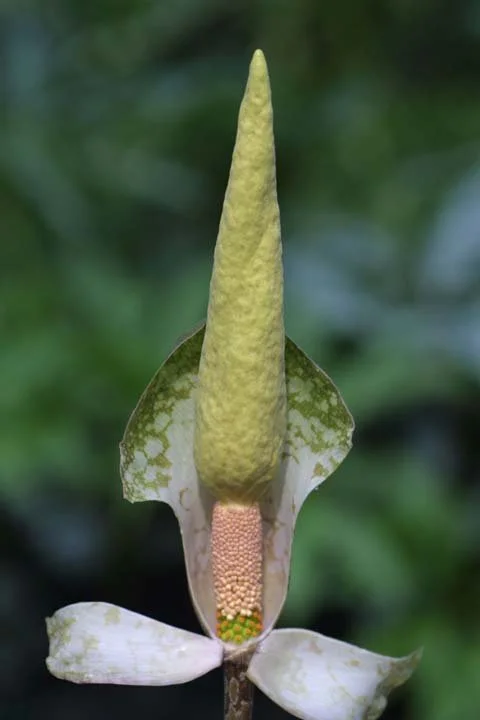
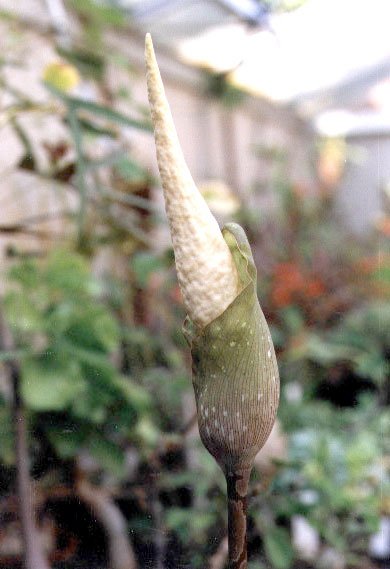
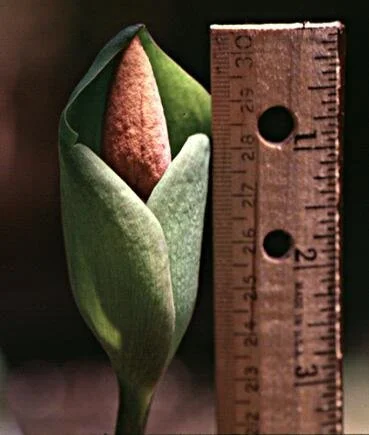
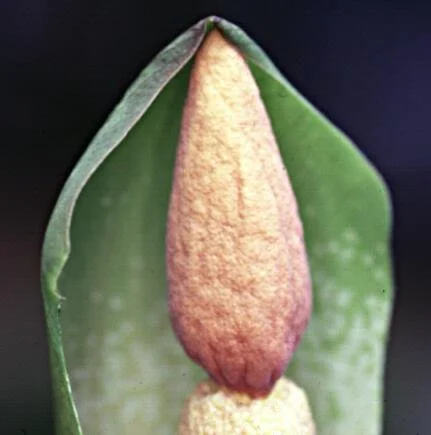
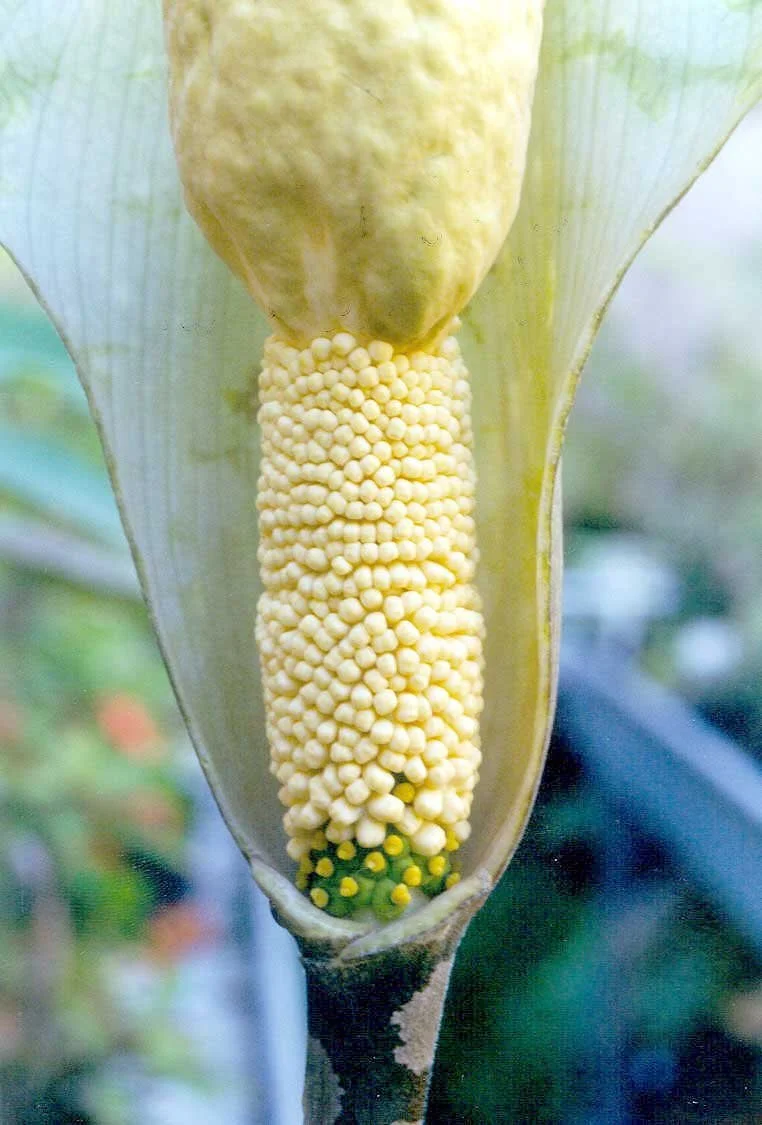
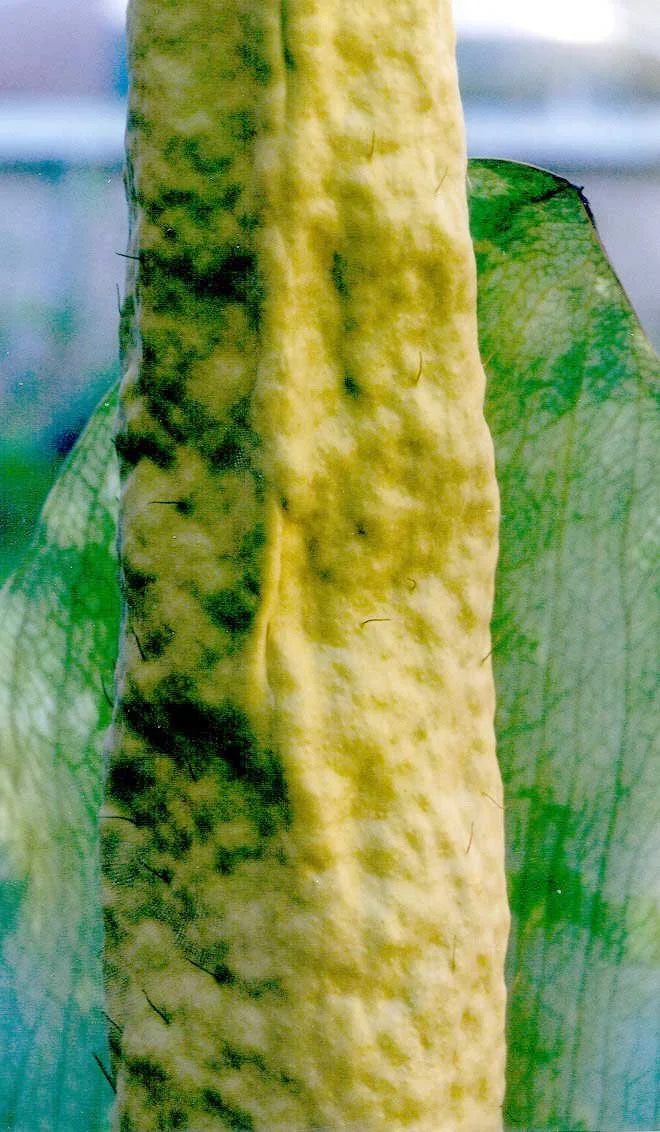
AMORPHOPHALLUS CRUDDASIANUS
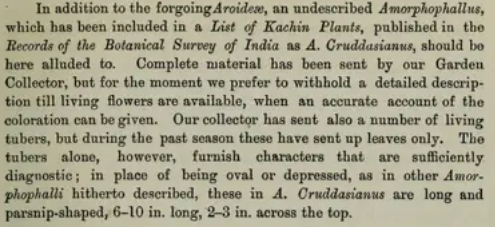
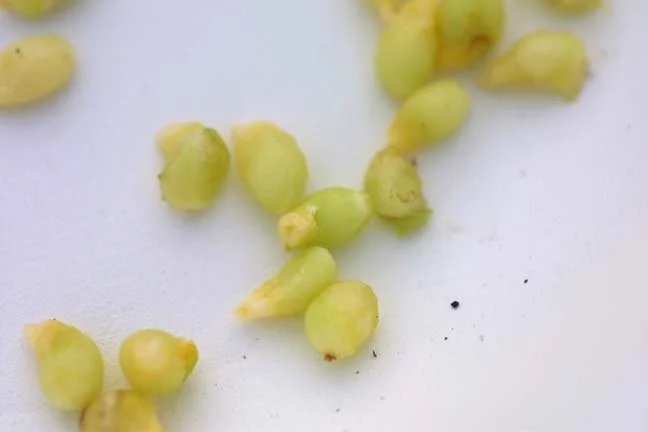
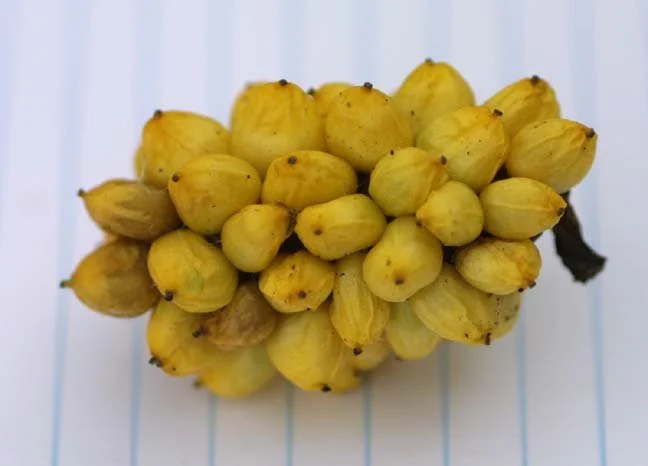
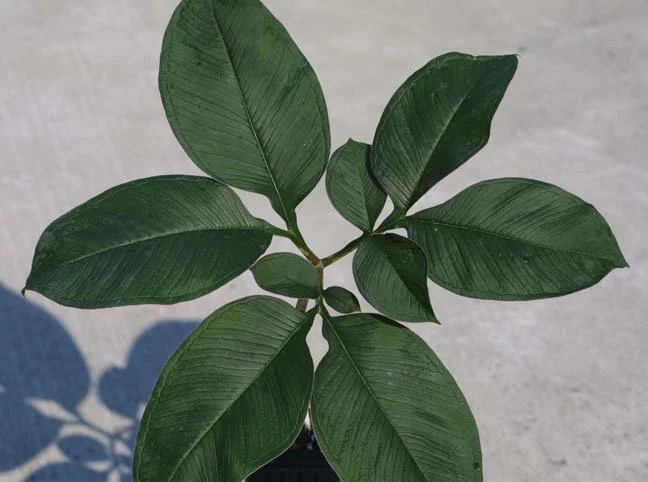
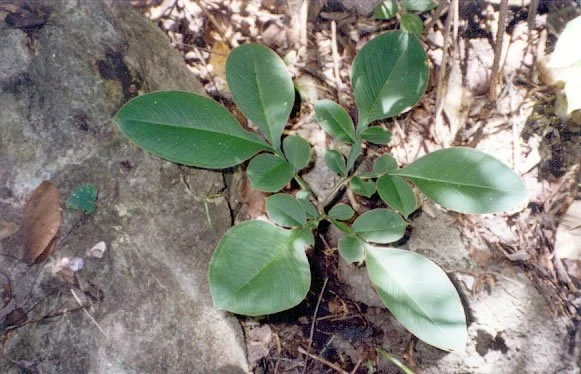
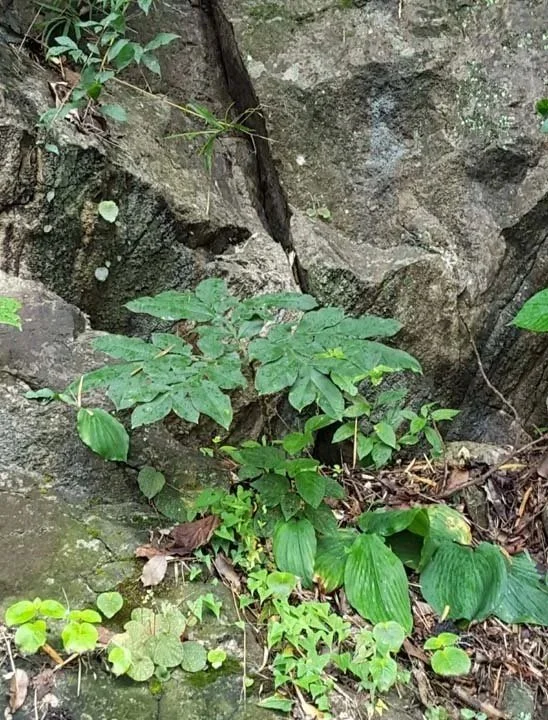
Photo by Alan Galloway
SYNONYMS:
HOMOTYPIC SYNONYMS: N/A
HETEROTYPIC SYNONYMS: N/A
ACCEPTED INFRASPECIFICS: N/A
OTHER: N/A
DISTRIBUTION: Laos, Myanmar, Vietnam
CLIMATE: N/A
ECOLOGY: Monsoon region, 430-600m elevation
SPECIES DESCRIPTION:
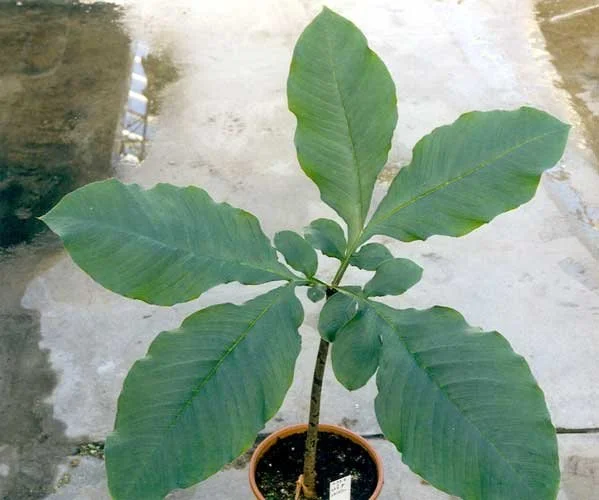
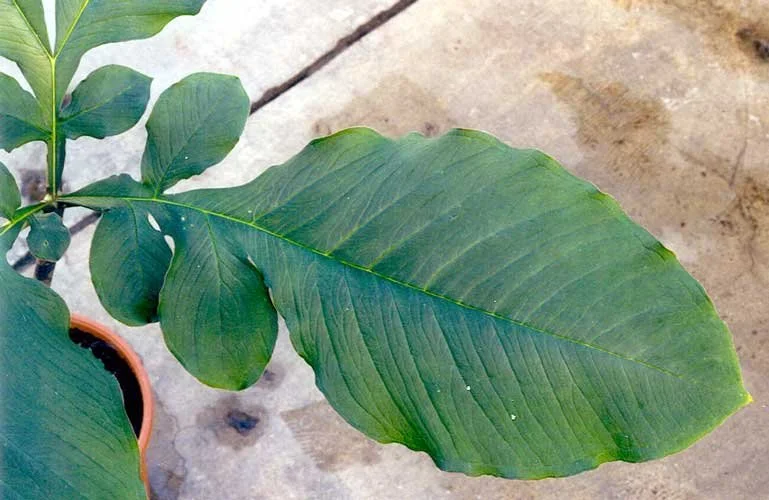
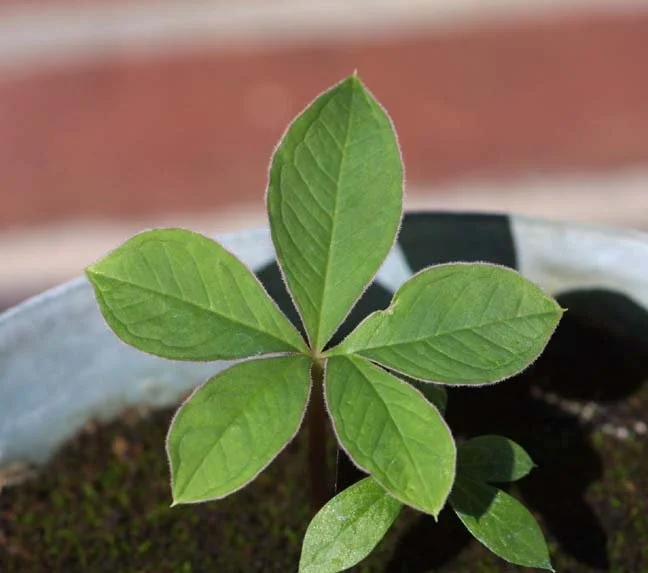
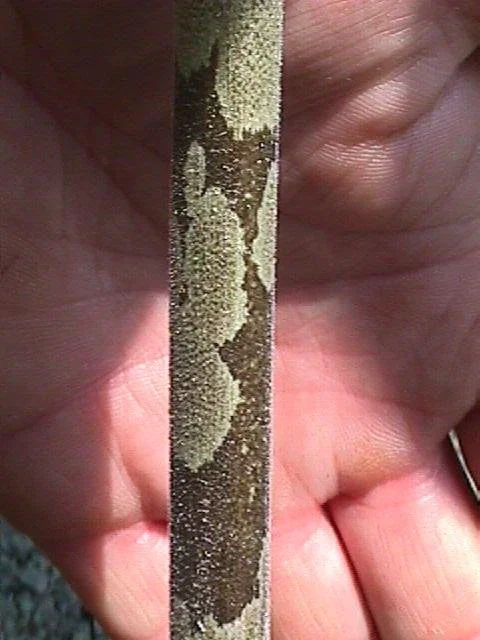
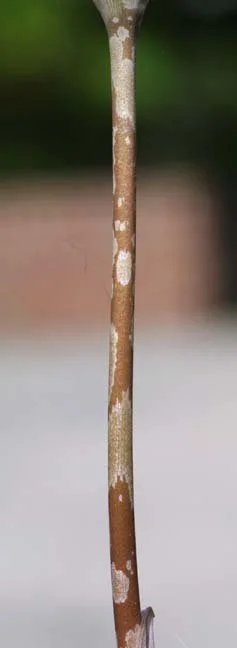
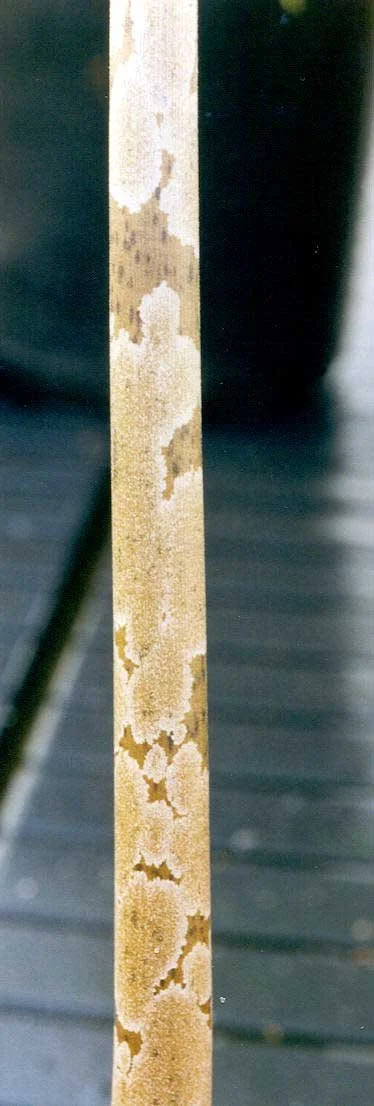
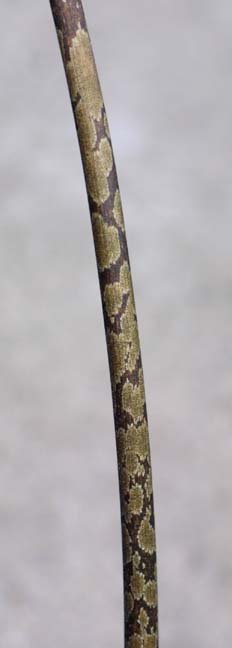
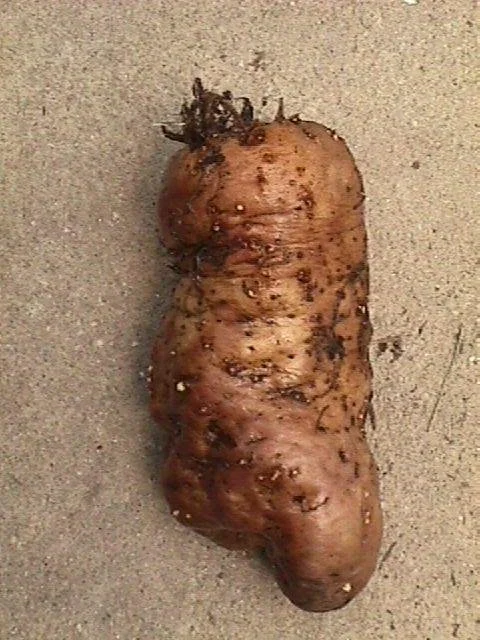
Tuber about 2 cm in diameter, somewhat globose or turnip-shaped.Leaf: Petiole about 4 dm [40 cm] long, green, spotted. Blade divided into three primary sections; primary segments 1–2–3 dm [10–30 cm] long, dichotomously divided; secondary segments pinnatisect. Ultimate segments 6.5–10 cm long, oblong or obovate-oblong, cuspidate-acuminate; the upper ones decurrent at the base, the lower ones ansate [with a narrowed/handle-like basal attachment]. Lateral veins joining into a collective vein set back from the margin. Cataphylls: 1–2, 0.5–2 dm [5–20 cm] long, lanceolate, membranous.
INFLORESCENCE:
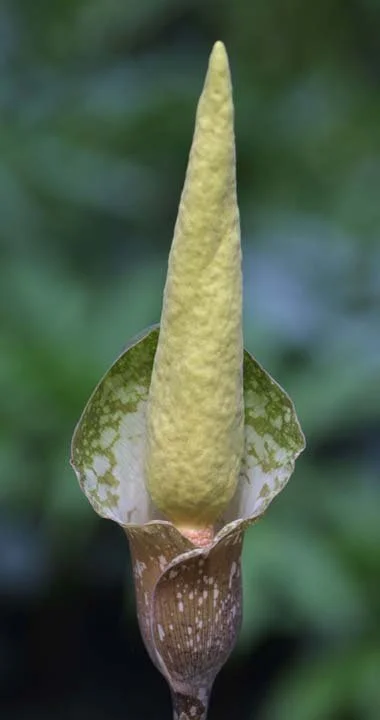
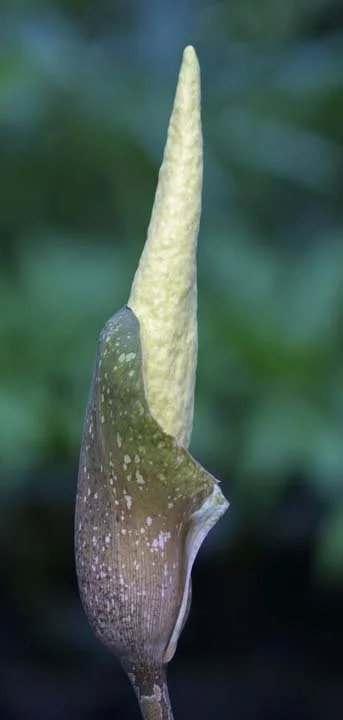
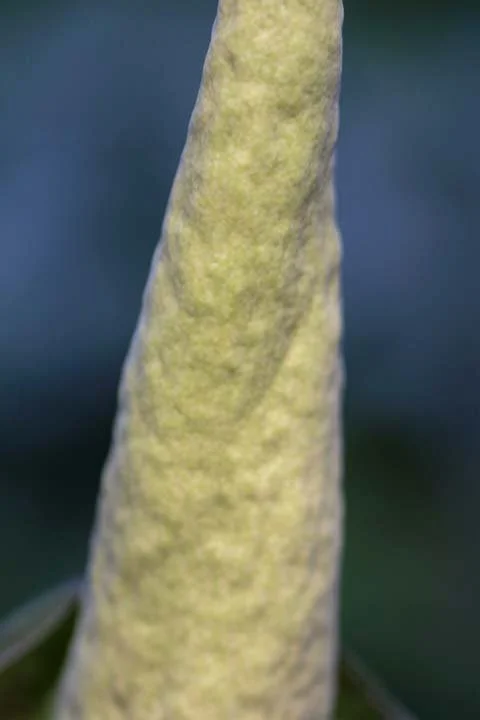
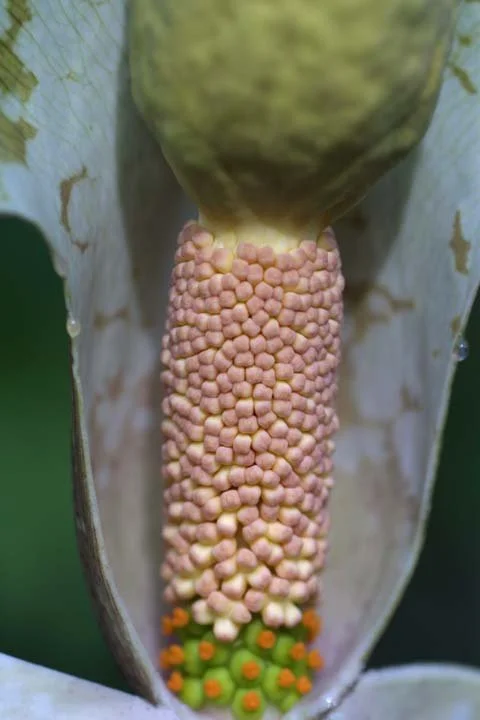
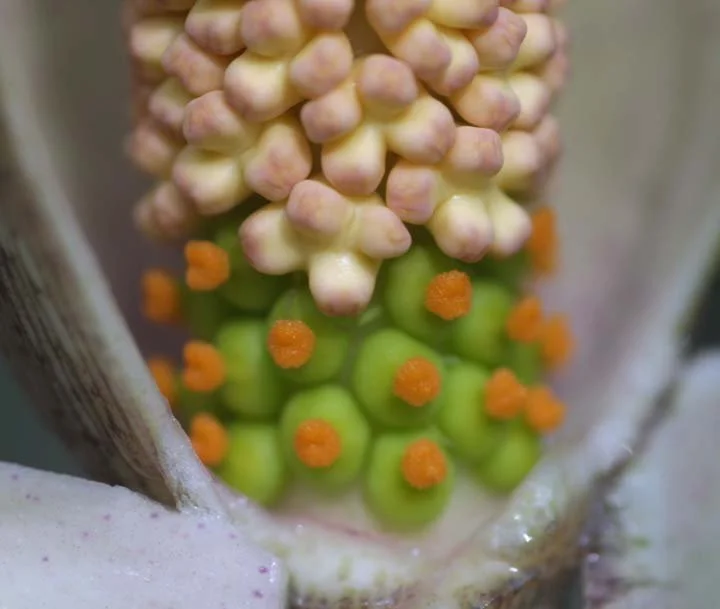
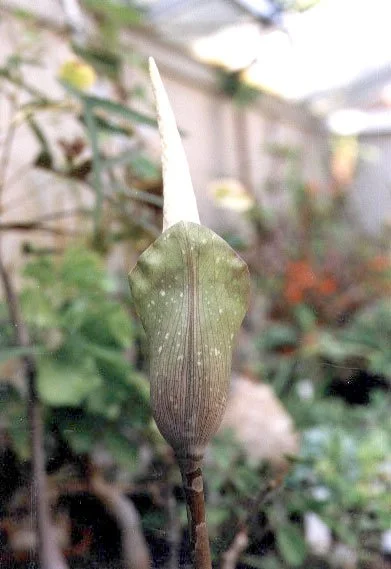
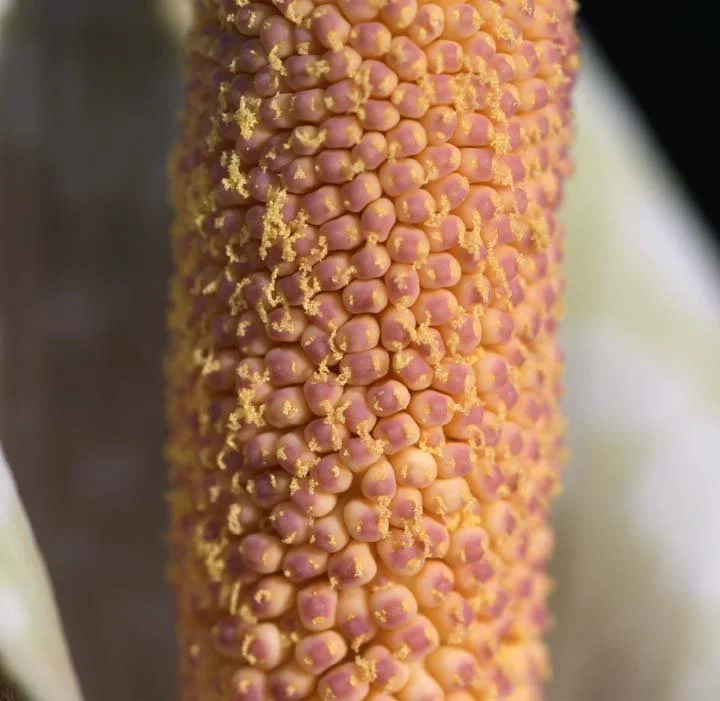
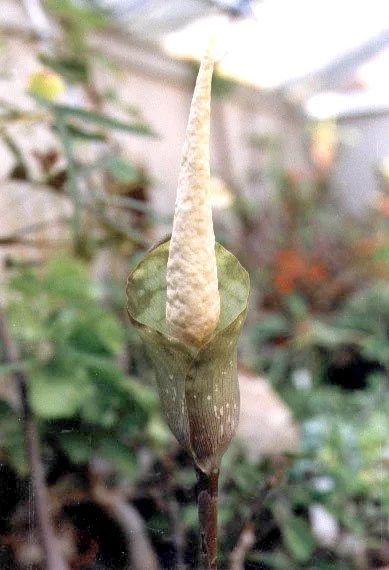
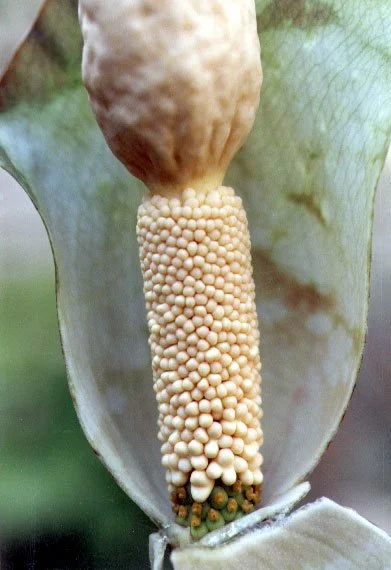
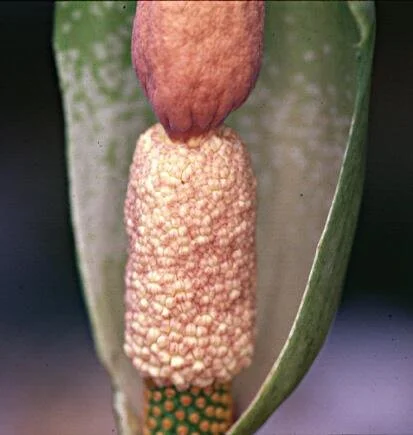
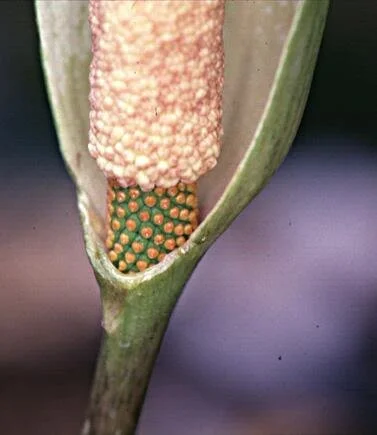
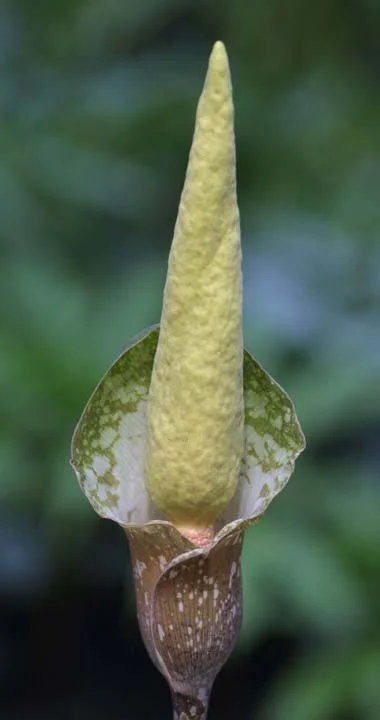
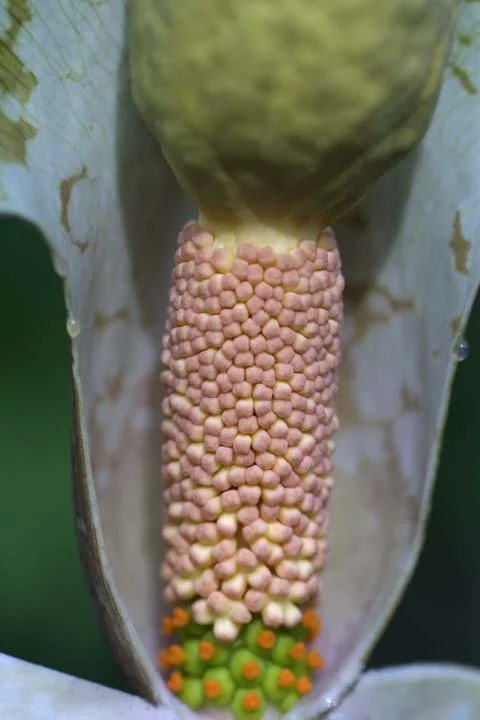
Peduncle: up to 9 dm [90 cm] long.Spathe: 1–2 dm [10–20 cm] long, 0.6–1 dm [6–10 cm] wide, ovate, acute, slightly convolute at the base.Spadix: about 1½ times as long as the spathe. Female flowering zone 2–2.5 cm long; male zone 2.5–3 cm long, cylindrical. Appendix 1–2 dm [10–20 cm] long, elongate-conical, tapering toward the apex, strongly thickened at the base or around the middle. Pistils: Ovary 2 mm long, globose; stigma discoid-globose, sessile.
VARIEGATED FORMS: N/A
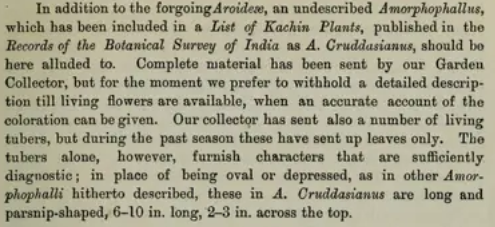
ETYMOLOGY: The specific epithet cruddasianus honors Hugh Wilson Cruddas (1868–1916), an officer of the Indian Staff Corps and commandant at Myitkyina, Upper Burma, who assisted the Botanical Survey of India in its exploration of the Kachin Hills during the late 1890s. David Prain also commemorated Cruddas in the genus Cruddasia and in Cryptocoryne cruddasiana.
NOTES:
Described in Das Pflanzenreich H.48 (1911) P.101 as originating from “Monsoon region, Northwestern Malayan Province. Upper Burma [Myanmar], Kachin Hills, Melkina (Shaik Mokim nos. 51, 92 — flowering and in leaf in June and July — Calcutta Herbarium); at about 430–600 m elevation (E. Pottinger — flowering in March 1897 — Calcutta Herbarium).
CULTIVARS: N/A
HYBRIDS: N/A